
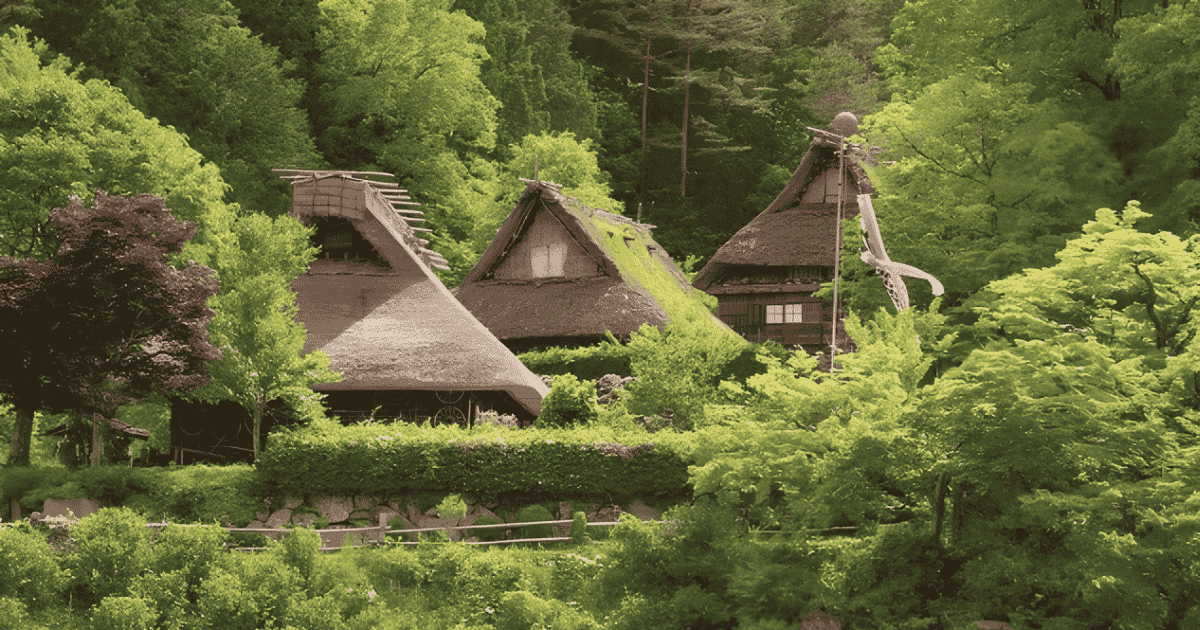
When planning a trip to Central Japan, the UNESCO World Heritage site of Shirakawa-go often tops the list. However, if you are looking for an experience that is more intimate, accessible, and deeply educational, Hida Folk Village (Hida no Sato) in Takayama is a destination you shouldn’t overlook.
Is Hida Folk Village worth visiting? How is it different from the famous Shirakawa-go? In this comprehensive guide, we will dive deep into why this “living museum” is a highlight of the Gifu region and provide all the essential tips for your visit.
Table of Contents
Toggle1. Is Hida Folk Village Worth Visiting? (The Verdict)
Many travelers ask, “Is it worth visiting Hida Takayama if I only have 24 hours?” The answer is a definite yes. While the “Old Town” (Sanmachi Suji) is great for shopping and dining, Hida Folk Village shows you the essential historical context of how people survived the harsh mountain winters during the Edo Period.
An Open-Air Museum of Hida’s Architectural Soul
Hida no Sato is not just a collection of old buildings. It is a carefully preserved 35,000-square-meter site featuring more than 30 authentic structures. These range from grand houses of village leaders to humble logging huts and storehouses.
A Sensory Experience
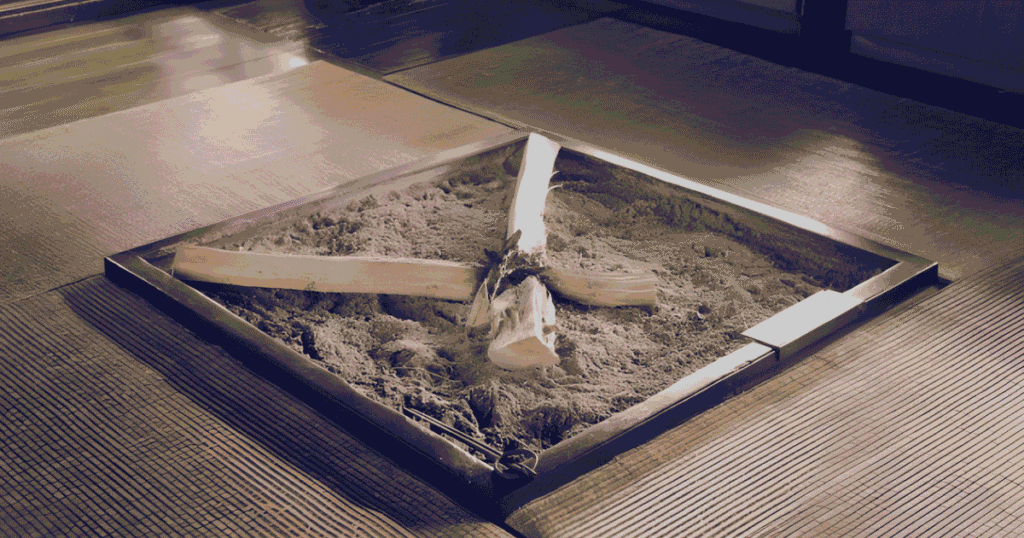
Unlike indoor museums, here you can smell the woodsmoke from the Irori (sunken hearths), feel the cool mountain air, and hear the sound of old timber under your feet. It is an immersive experience that will take you back in time, perfect for both history buffs and casual photographers.
Also, there are areas where you can try traditional Japanese toys, watch demonstrations of local crafts, and join workshop courses that do not require a reservation (fees apply). These interactive activities make it a high-value destination that truly engages all your senses.
Planning your trip to Takayama? Check out our Ultimate Transport Guide to Takayama (2026) for the best ways to reach the city by train, bus, or car.
2. Hida Folk Village vs. Shirakawa-go: Which One is Better for You?
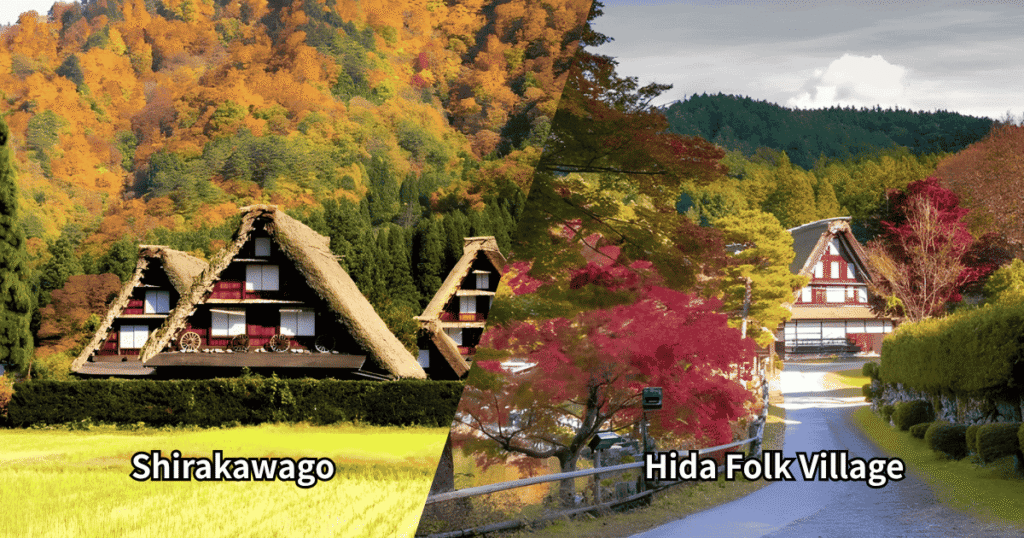
A common question for travelers is, “Which is better, Hida Folk Village or Shirakawa-go?” The truth is, they offer very different experiences. The best choice depends on your travel goals and your schedule.
The Main Difference: A Museum vs. A Living Village
- Hida Folk Village: Located within Takayama city. No one lives here today. It is a specially designed space for visitors to learn about and experience traditional Japanese culture and architecture.
- Shirakawa-go: A remote mountain village where people still live and farm. It is famous for its heavy snowfall and is a real, working community.
Reasons to Choose Hida Folk Village (Accessibility & Education)
- Time Efficiency: It is only a 15-minute bus ride from Takayama Station. In contrast, Shirakawa-go requires a 2-hour round trip by bus, and you often need to book your bus tickets in advance.
- Full Access to Interiors: Because it is a museum, you can go inside almost every building to study the traditional architecture. In Shirakawa-go, most houses are private homes, so you can only see them from the outside. Only a few houses are open to the public.
- Hands-on Activities: This is the ideal choice for those seeking a more hands-on experience. Children can enjoy traditional games like Takeuma (bamboo stilts), and there are many craft workshops available for everyone.
Reasons to Choose Shirakawa-go (Landscape & Atmosphere)
- Authentic Stays: For an unforgettable memory, you can stay overnight in a real Gassho-zukuri farmhouse. This is a unique experience unavailable at Hida Folk Village.
- Iconic Views: From golden rice fields in autumn to dramatic snow scenes, the “living” landscape of Shirakawa-go is world-class.
- The Silence of Deep Snow: Shirakawa-go gets much more snow than Takayama city. In February, the snow can be taller than a person! You can witness the unique sight of traditional houses buried in deep snow and the special silence that only exists in a heavy snowfall area.
How is Hida Folk Village Different from Other Old Village Sites?
We have compared Hida Folk Village to Shirakawa-go, but there are many other places in Japan where you can see traditional houses.
What makes Hida Folk Village special is its variety of hands-on activities that do not need a reservation. Most other sites are either private villages where people live, or museums that require you to book activities in advance.
Quick Comparison: Experience vs. Style
| Site Style | No Reservation Needed(Workshops available) | Reservation Required(Workshops available) | Mainly Sightseeing (Very few workshops) |
|---|---|---|---|
| Museum Style (Easy to explore) | Hida Folk Village (Gifu) | Shikoku-mura (Kagawa), Nihon Minka-en (Kanagawa) | Open-Air Museum (Osaka), Saiko Iyashi-no-Sato (Yamanashi) |
| Living Village Style (Local life) | Shirakawa-go (Gifu), Gokayama (Toyama) | Maezawa Magariya (Fukushima) | Kayabuki-no-Sato (Kyoto), Ouchi-juku (Fukushima) |
Note for Travelers:
- Hida Folk Village stands out as one of the few places where you can participate in workshops spontaneously without a prior booking.
- Sites listed as “Mainly Sightseeing” are beautiful for walking and photography. However, they do not offer many workshops, and some places have none at all.
- For sites listed as “Reservation Required”, please check their official websites for details. You usually need to book at least a few days or weeks before your visit.
Why Choose Hida Folk Village?
While places like Shirakawa-go or Ouchi-juku are beautiful “living” villages, they often have fewer hands-on activities, or you must book them weeks in advance.
At Hida Folk Village, you get the best of both worlds:
- Access: You can walk inside almost every house (unlike living villages).
- Freedom: You can just show up and start a craft workshop immediately (unlike other museums).
If you want to do something, not just see something, Hida Folk Village is your best choice!
3. Essential Logistics: Fees and Hours
Is Hida Folk Village Free? (Admission & Pricing)
While some might wonder about the cost, there is a modest admission fee of 700 yen for adults and 200 yen for children. These fees contribute to the high cost of maintaining the traditional thatched roofs.
Zen-trip Tip: If you buy the “Hida Takayama 2-Day Open Ticket” (1,000 yen) at the Nohi Bus Center, you can get a discount of 50 to 140 yen at Hida Folk Village and other local attractions.
Opening Hours & Best Time to Visit
- Hours: 8:30 AM to 5:00 PM.
- Best Season: Late October to early November is the best time for autumn colors. The weather is perfect for walking, and the view is amazing!
- How much time do I need? Allow 1.5 to 2.5 hours for a walk. If you want to try the workshops or visit the Crafts Experience Center nearby, we recommend planning a half-day trip.
Three Walking Routes
The village is hilly, but there are three main routes you can follow:
- 20-Minute Route (Around the Pond): This path is flat and easy. It is perfect for people with limited mobility or those with strollers.
- 40-Minute Route (Standard): This is the most common course. You can see the most important traditional houses along this path.
- 60-Minute Route (Full Village): This route takes you around the entire village to see everything.
- Note: The sign says “60 minutes,” but some visitors say it takes closer to 2 hours if you stop to take photos and look inside the houses.
4. Top Experiences: What Not to Miss

Making something with your own hands is the best way to feel the heart of Hida.
Unforgettable Experiences (No Reservation Needed!)
Inside Hida Folk Village (In the Park)
- Live Craft Demonstrations: You can watch professional masters using traditional skills to create beautiful crafts. There are usually three different demonstrations and shops inside the village.
- Hands-on Workshops: There are about six different workshops held at various times. Prices range from 600 to 5,000 yen.
- Special Recommendation (Kumihimo): Try making traditional Japanese braided cords. By crossing many silk or cotton threads on a special wooden stand, you can create unique patterns found only in Hida Takayama. Why not make your own “one-of-a-kind” souvenir?
- Traditional Games for Free: Children (and adults!) can try traditional Japanese toys like spinning tops (koma), cup-and-ball (kendama), beanbags (otedama), and bamboo stilts (takeuma). These are rare outside of Japan, so don’t miss this chance to play!
- Seasonal Cultural Events: The village celebrates Japanese traditions, such as the girls’ festival in March and the boys’ festival in May. Check the Hida Folk Village website for the latest event schedule.
Hida Takayama Crafts Experience Center
Located right next to the village entrance.
- Sarubobo Making: You can make your own “Sarubobo” (red baby monkey doll), the famous symbol of Takayama.
- Variety of Activities: There are more than 20 different workshops that take only 15 to 40 minutes. They are reasonably priced from 1,600 to 3,500 yen. You can take home your handmade crafts as a beautiful memory of Japan.
- Perfect for Winter: These indoor activities are a great choice in winter, especially when some of the old houses are closed due to heavy snow.
- Official Website: https://www.omoidetaiken.jp/
Seasonal Magic: Illuminations and Events
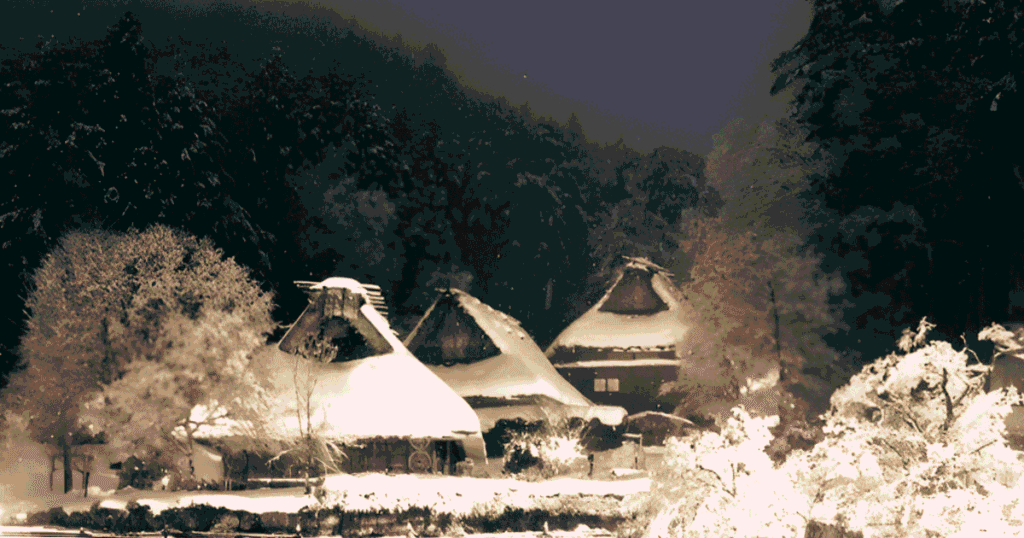
Check the calendar for the Autumn Illumination (late October to early November) and Winter Illumination (January to February).
- Autumn Magic: The mirror-like reflection of the lighted thatched houses in the pond (Go-no-ike) is a must-see. It is one of the most beautiful photo spots in the village.
- Winter Magic: Please note that in winter, the pond usually freezes or is covered with snow, so you won’t see the reflection. However, the white snow on the roofs glows beautifully under the lights. It creates a dream-like, magical atmosphere that you will never forget.
Terrain and Accessibility Warnings
Footwear: Comfortable and Easy to Remove
The village has paved paths, but there are also many gravel roads and slopes.
- What to Wear: Please avoid high heels. We highly recommend sturdy sneakers or hiking boots.
- Important: In Japan, you must take off your shoes to enter traditional houses. Choose shoes that are easy to put on and take off so you can explore comfortably.
Wheelchair Access and Mobility
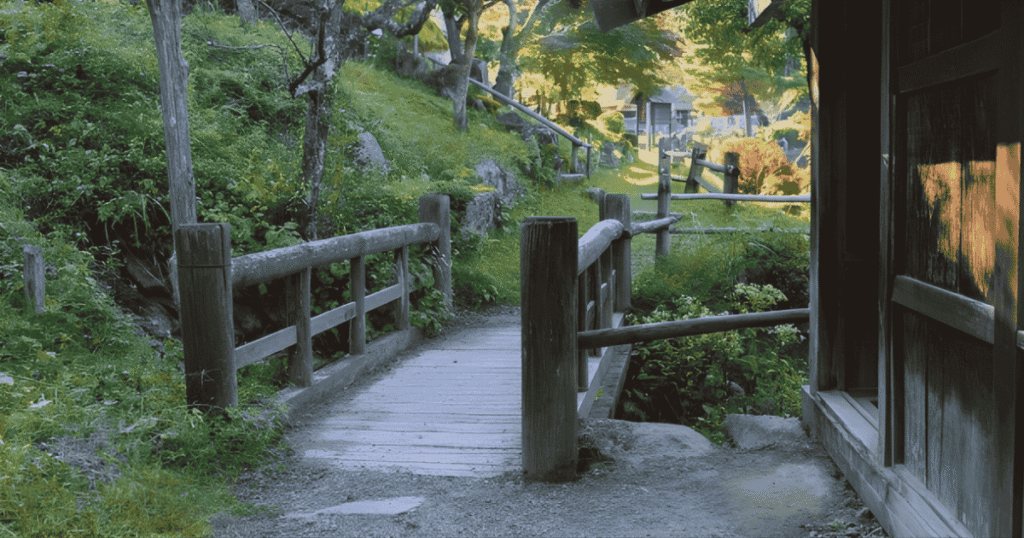
Because the village is built on a hillside, some areas are quite steep.
- Electric Wheelchairs: Hida Folk Village offers electric wheelchairs for rent to help with the slopes. However, the number of chairs is limited, so you may not always be able to get one.
- Barrier-Free? No. These are old houses with high doorsteps. Also, you must step up from the entrance to reach the living area.
- Support Needed: Because some paths are rugged and steep, a companion is necessary to help. (This is also true for Shirakawa-go).
Seasonal Preparation: Snow and Bugs
Winter (December – March): Prepare for Heavy Snow
Takayama gets a huge amount of snow. It’s not uncommon for knee-deep snow to fall in a single night.
- The Magic and the Risk: This heavy snow makes the village look beautiful, but please be careful. Some parts of the village may be closed because of the risk of snow falling from the steep roofs.
- What to Wear: The snow will often be higher than your ankles. Standard sneakers will get wet very quickly. If you visit in winter, please bring waterproof boots.
- Pro Tip: If you don’t have boots, don’t worry! Hida Folk Village offers free rental boots for visitors.
Summer (June – September): Watch out for Mosquitoes
Because the village is located in a forest, there are many mosquitoes. If you are visiting in summer, using bug spray is highly recommended to stay comfortable.
5. FAQ: Everything Else You Need to Know
Is there a place to eat?
Please note that there are no dining facilities or convenience stores within the immediate vicinity of the village. Hida Folk Village is located on a hillside, away from the main tourist area. We highly recommend eating a full meal in the city center or near Takayama Station before or after your visit.
Are there lockers for my luggage?
Yes, there are small coin lockers at the entrance. However, they are not big enough for large suitcases. Please leave your heavy bags in the lockers at JR Takayama Station or the Nohi Bus Center before coming to the village.
6. How to Get to Hida Folk Village (Logistics)
By Sarubobo Bus (Recommended)
The easiest way to get there is by taking the “Sarubobo Bus” from the Takayama Nohi Bus Center.
- Bus Stop: The Nohi Bus Center is right next to the JR Takayama Station (East Exit). There are 7 platforms at the center. Please go to Platform 1.
- Important: Other buses also stop at Platform 1, so please make sure you are getting on the right one.
- How to Identify: The Sarubobo Bus is easy to find because it has a bright red front.
- Fare: 210 yen.
- Timetable:
- From the Bus Center to Hida Folk Village: Between 9:00 AM and 3:45 PM, buses depart at the top of the hour (:00) and at :45. After that, buses depart at 4:00 PM and 5:00 PM.
- From Hida Folk Village back to the Bus Center: Between 9:29 AM and 4:29 PM, buses depart at :29 past the hour.
- The ride takes about 15 minutes.
- Official Website: Nohi Bus Official Site
- Note: During special illumination events, extra shuttle buses may be available. Please check the Hida Folk Village or Nohi Bus websites for updates during event periods.
By Walking
It is about 2.2 km from the station (around 40 minutes).
- Warning: The last 1 km is a steep uphill climb, which can be very tiring! We recommend taking a bus or taxi to the village and walking back to the station instead.
By Taxi
A taxi from the station costs about 1,200 to 1,500 yen. This is a great option if you are traveling in a group or have limited time.
7. Conclusion: Plan Your Visit to Hida Folk Village
Hida Folk Village (Hida no Sato) is more than just a museum; it is a place where you can truly experience the history and spirit of the Hida region. While Shirakawa-go is famous for its world-class views, Hida Folk Village offers a more personal and hands-on look at traditional Japanese life.
By visiting, you can:
- See beautiful, authentic architecture without the long travel time.
- Go inside almost every house to learn about the past.
- Create your own memories through unique craft workshops.
Whether you are visiting for a few hours or a half-day, this village is a must-see highlight of Takayama. Don’t forget to wear comfortable shoes, check the bus schedule, and get ready for a wonderful trip back in time!