Planning a trip to Sankeien ( Sankei-en ) Gardenin Yokohama but worried about navigating Yokohama’s complex bus system?
While most guides just scratch the surface, this article provides the exact logistics, local bus-stop shortcuts, and photography strategies you need to experience this historic oasis like a seasoned traveler.
Whether you want to beat the crowds at the perfect “mirror-cherry blossom” spot or map out a seamless transit plan from Yokohama Station, here is the only guide you’ll need to make your visit stress-free.
At a Glance: What You’ll Find in This Guide
🚌 The “Zero-Stress” Access Map: Avoid station confusion with our curated bus-route breakdowns.
🗺️ Beyond the Apps: Local advice on which bus stops to use for specific destinations (Chinatown, Minato Mirai, etc.).
📸 Seasonal Highlights: Expert tips on capturing the best night illuminations and foliage.
💡 Practical Logistics: Admission, hours, and essential “insider” transit hacks to save you time.
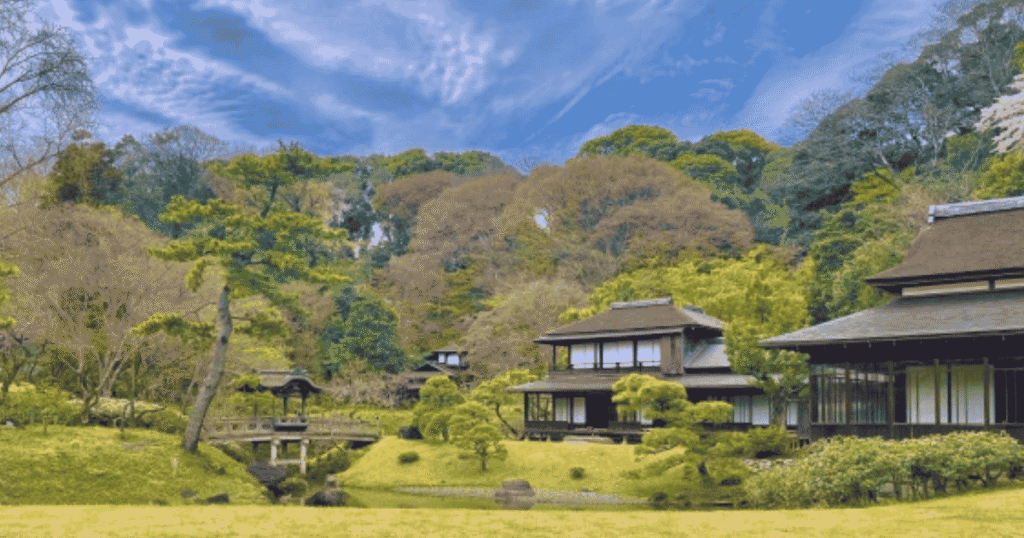
Rinshunkaku: A historic samurai villa built in 1649
Opened in 1906, Sankeien is a massive Japanese garden created by Hara Sankei, a successful silk trader. He was a passionate lover of Japanese architecture and relocated historical buildings from places like Kyoto, Kamakura, and Gifu to save them from disappearing. With 17 historical structures scattered throughout the grounds, it is truly a “living open-air museum.”
2. Quick Tips Before You Go
Before you set off, here are a few things to keep in mind to ensure a smooth visit. First, it is a good idea to check the Sankeien Garden entrance fee in advance so you can prepare the exact change if necessary. You can easily purchase your Sankeien tickets at the entrance, but having a general idea of the costs will help you plan your budget. Additionally, remember that the garden is quite large, so wearing comfortable walking shoes is highly recommended for exploring the historic paths.
Access: The most common way to get here is by city bus from Yokohama or Negishi Station; get off at the “Honmoku”, “Sankeien-mae Iriguchi”, “Sankeien-minamimon Iriguchi” or “Honmoku shako-mae” stop.
Advice: It’s located in a residential area, so use a map app to make sure you don’t get lost.
3. Experience Sankeien: Seasonal Highlights and Best Photo Spots
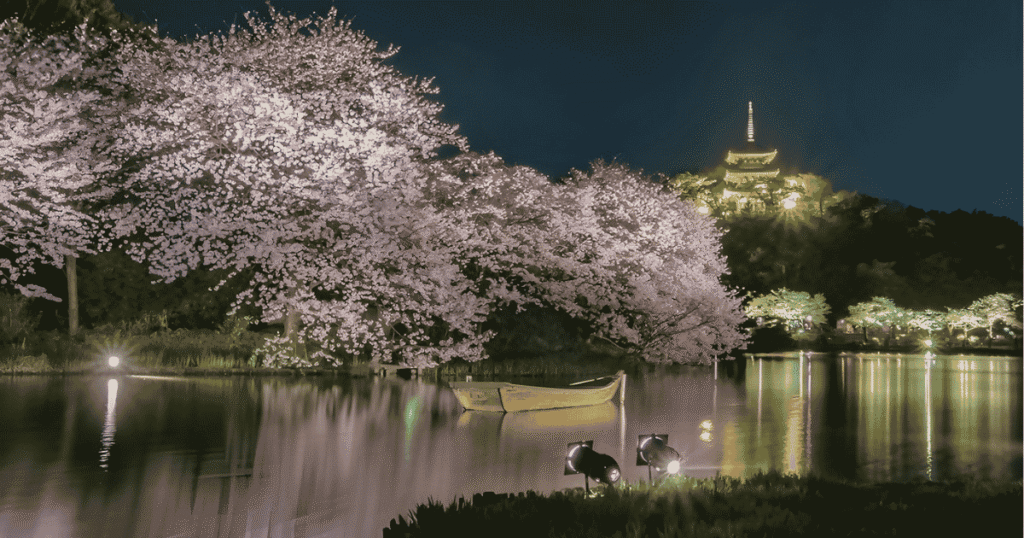
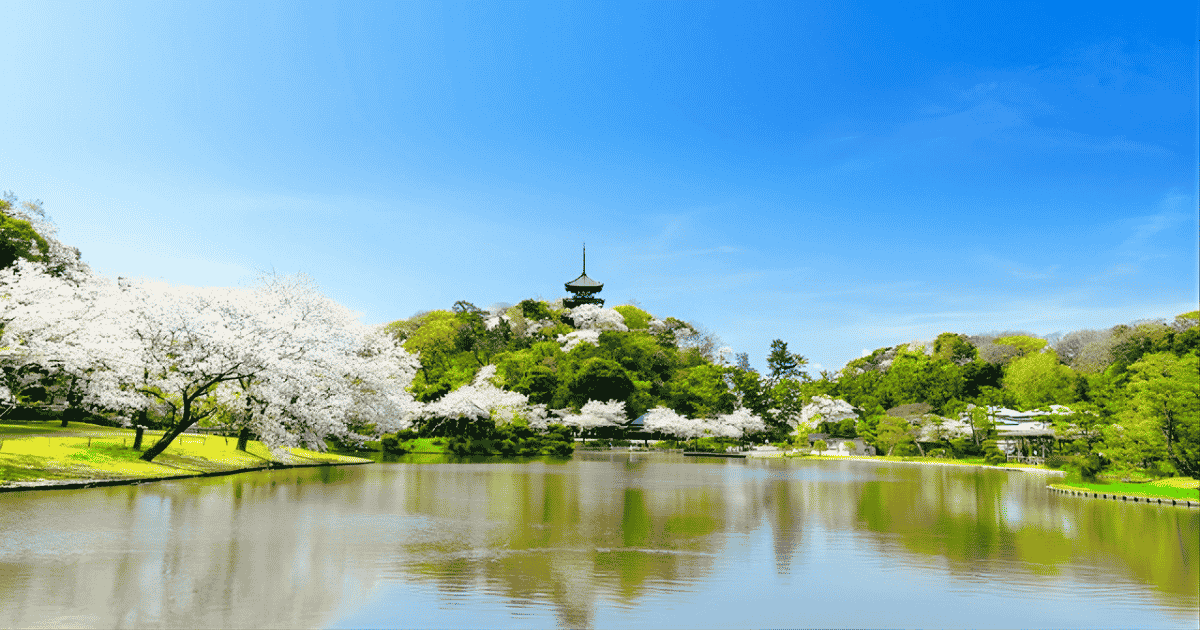
Cherry blossoms in full bloom, beautifully illuminated and reflected in the pond at Sankeien Garden.
Best Times to Visit
Spring: Cherry blossoms are in full bloom around the central pond.
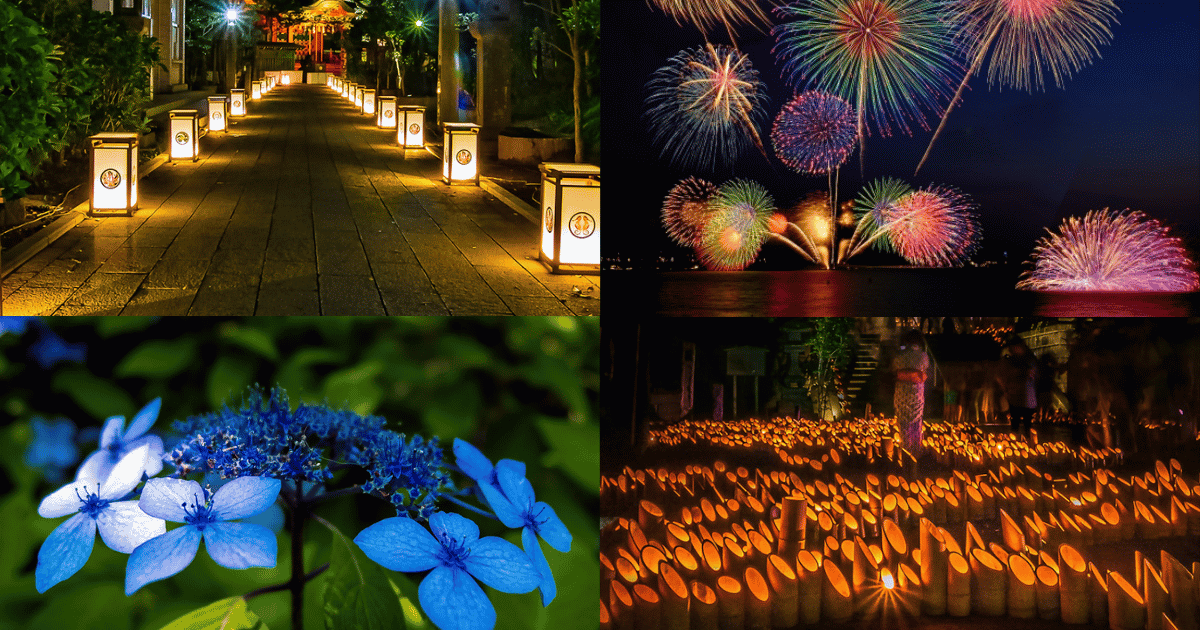
Summer: Enjoy evening firefly viewing events.
Autumn: Stunning fall colors and special night illuminations.
Winter: A peaceful atmosphere with traditional tea ceremonies and beautiful snowscapes.
Capturing the Magic: Photography Tips
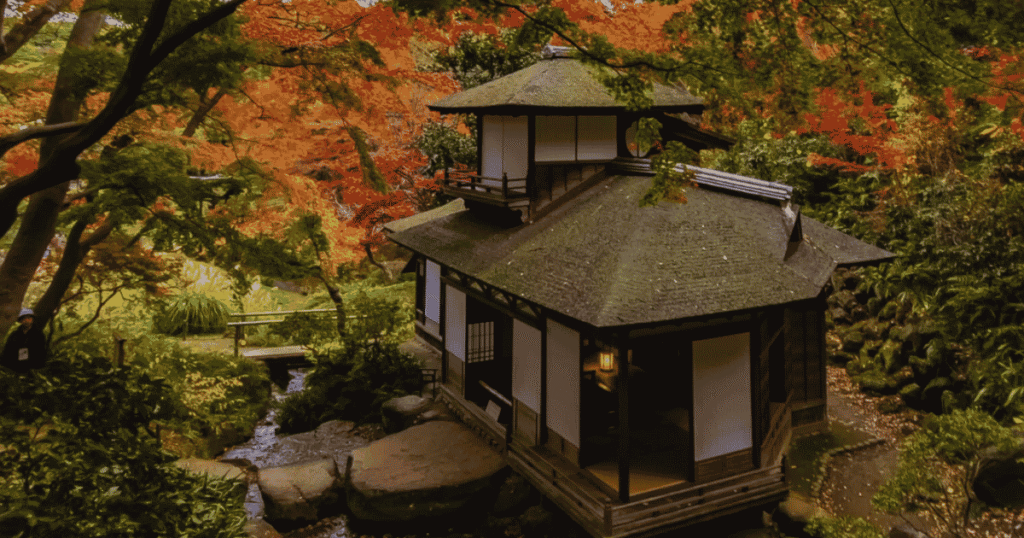
Choshukaku in autumn: Originally built in 1623 at Nijo Castle.
Spring Night Blossoms: The “upside-down cherry blossoms” reflected in the pond are a highlight. Set up your tripod on the edge of the pond before sunset. For the best photos, aim for 6:30 PM–7:00 PM when the crowds thin out.
Autumn Foliage: The path between Cho-shu-kaku and Kin-mo-kutsu is stunning. Focus on the texture of old wood against the vibrant red maples for a traditional, painterly shot.
4. Insider Access Tips: How to Avoid the Bus Stress
Navigating Japanese buses can be tricky. While map apps show the “fastest route,” it’s not always the best.
Bus Queue Tip: During peak seasons, bus stops can get crowded. If the line is too long, consider taking a taxi from Negishi Station. It costs about 2,000 JPY, but it saves time and is much more comfortable.
The Pro-Method (via JR Negishi Station): Locals recommend taking the JR line to Negishi Station, then switching to a bus. It’s the most “foolproof” way to reach the garden.
Transportation Guide: From Sankeien to Major Areas
When heading out from Sankeien, use this table to find the best route based on your destination:
Destination
Recommended Bus Stop
Bus Lines
Tips
Chinatown
Sankeien Iriguchi
8, 106, 168
Use line 8 for "Chukagai Iriguchi"; others for "Yoshihama-bashi"
Honmoku
58, 101
Use line 58 for "Chukagai Iriguchi"; others for "Yoshihama-bashi"
Honmoku Shako-mae
105
Get off at "Yoshihama-bashi"
Minato Mirai
Sankeien Iriguchi / Honmoku
8, 106, 168
Usually "Sakuragicho Station-mae"; line 168 stops at "Nippon Maru Memorial Park"
Honmoku
58, 101
Get off at "Sakuragicho Station-mae"
Honmoku Shako-mae
105
Osanbashi Pier
Sankeien Iriguchi
8, 168
Get off at "Nihon-odori Station-mae"
Yokohama Station
Sankeien Iriguchi
8, 106, 168
Get off at "Yokohama Station"
Honmoku Shako-mae
105
How to get to Sankeien from Tokyo?
To reach Sankeien from Tokyo Station, take the JR Keihin-Tohoku Line. Trains bound for Negishi or Ofuna are your best options (avoid trains bound for Sakuragicho, as they require an extra transfer). Get off at Negishi Station, which you can reach via Yokohama or Sakuragicho Station.
5. A Sample "Yokohama Strategy"
The Nippon Maru sets its sails only a few days a month from April to November.
Spring Sunday: Start your morning in Minato Mirai. If your visit falls on one of the select days—typically Sundays—between April and November, you might catch the Nippon Maru with its sails fully spread. For the most up-to-date schedule of these “full sail” days, please check the official website here (Japanese only).
After lunch, head to Sankeien to transition from the modern port city to the traditional heart of Japan just in time for the evening light-up.
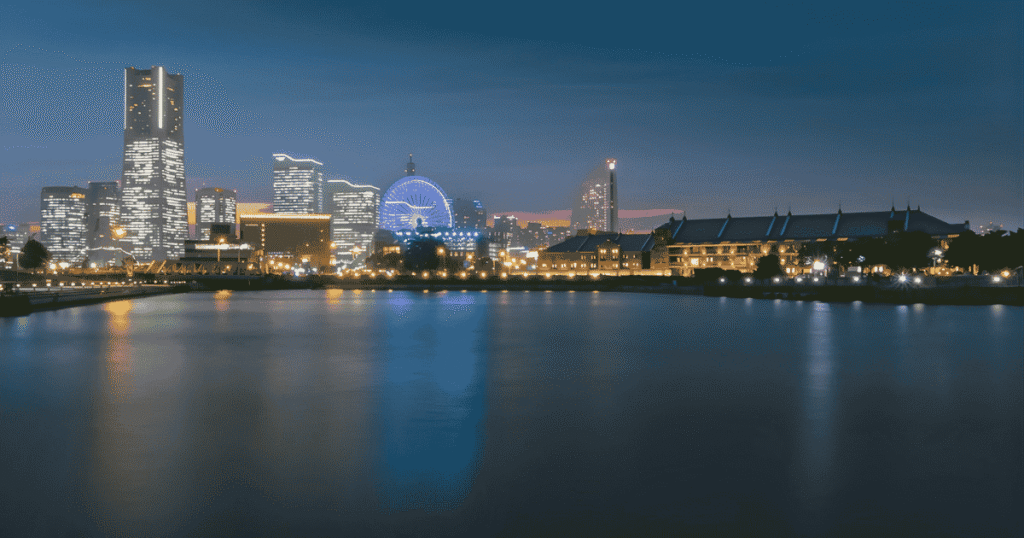
Stunning night views of Yokohama Port from Osanbashi Pier.
Autumn Relaxation: Spend the afternoon soaking in the fall colors at Sankeien, then head to the Osanbashi Pier at sunset. Enjoy the sea breeze and the city lights reflected on the water—it’s the perfect way to end your trip.
6. Dining
There are three small shops inside the garden (Sankeien Saryo,Taishunken, and Sangen-ya) serving light snacks like soba, ramen, and tea. Since there are few restaurants around the garden, it is best to eat in the Minato Mirai or Chinatown areas before or after your visit.
Final Thoughts: Slow Down
Sankeien is not a place to rush through. Take time to sit in an old farmhouse or watch the reflection of the Three-Story Pagoda in the pond. That is where you’ll truly feel the spirit Hara Sankei put into this garden. Take it slow, breathe in the air, and enjoy your own pace.