
Reaching the legendary powder of the Hakuba Valley from Tokyo’s major airports requires a solid tactical plan. For the 2026 season, options range from high-speed rail to direct private transfers. The key to a smooth trip lies in syncing your arrival with Japan’s precise transit schedules. Additionally, you must manage mountains of ski gear without succumbing to exhaustion.
This guide provides a structured comparison of every viable route. Consequently, you can choose the path that best fits your group’s needs.
Note on Travel Times: The “Total Travel Times” listed in this guide refer strictly to actual time spent in motion. They do not include time for immigration, customs, walking between platforms, or waiting for connections.
Table of Contents
Toggle1. Hakuba: How to Get There (Route Selection by Priority)
Selecting your transport mode is the most critical decision in your itinerary. This is because each option offers a different trade-off between transit time, physical labor, and price. Regardless of your situation, whether you are a solo traveler looking for a quick Shinkansen link or a large group requiring a seamless door-to-door van, identifying your priority first will simplify the rest of your planning.
| Priority | Recommended Route | Key Features |
|---|---|---|
| Speed & Ultimate Luxury | Heli-Taxi | Direct to Hakuba in 90 mins. Total bypass of traffic and rail schedules. |
| Efficiency & Speed | Shinkansen (via Ueno/Tokyo) | A reliable standard route. Best for those using the Keisei Skyliner. |
| Best Value (Direct Rail) | Ltd. Exp. Azusa (Shinjuku) | Route B (Azusa No. 5). No transfers; the best balance of cost and ease. |
| Maximum Comfort (Groups) | Private Mini-Bus | Door-to-door from the airport. Perfect for families with heavy gear. |
| Budget-Friendly | Highway Bus (Shinjuku) | Direct from Busta Shinjuku. Great for solo travelers and late arrivals. |
Comparing Routes from Other Major Cities?
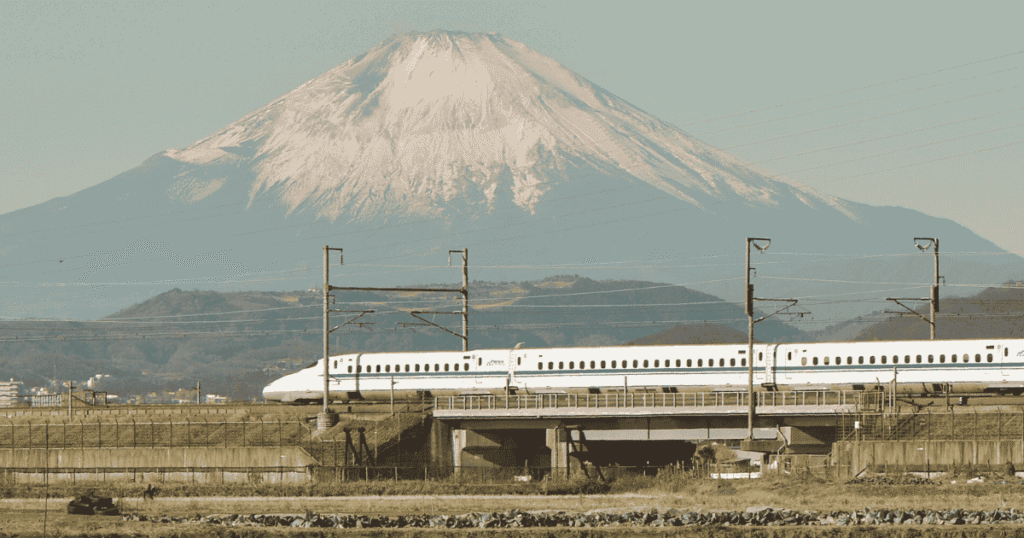
While this guide focuses on departures from Tokyo’s airports and hubs, many travelers combine their ski trip with visits to Western Japan. If you are planning to reach the Hakuba Valley from Kyoto, Osaka, or Nagoya, the routes, costs, and transfer points (such as the scenic Shinano Line or the new Tsuruga Shinkansen link) are quite different. For a detailed comparison of travel times and 2026 rail fares from these cities, please see our dedicated guide: [Best Ways to Travel from Kyoto/Osaka to Hakuba: 2026 Price & Route Comparison].
2. Fast Facts: Travel Time and Cost Comparison
This overview allows you to see the big picture of your journey. When booking, always leave a buffer of at least 90 to 120 minutes from your flight’s landing time. This is necessary to account for immigration and potential baggage delays. Furthermore, please note that the costs below are 2026 estimates, including reserved seats where applicable.
| Route | Summary | Total Travel Time | Total Cost (Est.) |
|---|---|---|---|
| Heli-Taxi | Direct from Airport or Tokyo | 90 mins | ¥290,000+ |
| Shinkansen (via Ueno) | Skyliner + Shinkansen + Bus | 3h 20m | 14,420 |
| Ltd. Exp. Azusa No. 5 | Direct from Shinjuku (No transfers) | 3h 40m | 8,050 |
| Highway Bus | Direct from Busta Shinjuku | 4h 40m | ¥5,800 – ¥8,200 |
| Airport Shuttle Bus | Direct from Airport Arrival Lobby | 6h 00m | 12,000 |
3. Narita and Haneda Airport to Tokyo Hubs: How to Transfer
Your journey begins with the link between the airport and Tokyo’s central hubs. Specifically, choose Ueno or Tokyo Station for the Shinkansen, or Shinjuku Station for the Azusa train and Highway Bus. In contrast, choosing the wrong hub can lead to a difficult transfer through the world’s busiest city streets.
Narita Airport to Tokyo Hubs
Keisei Skyliner
- To Ueno: 45m / ¥2,580
- The Pro Move: Transferring at Ueno requires passing through ticket gates because you are switching between different railway companies. You should allow extra time for this process.
- Official Web Site: Keisei Electric Railway
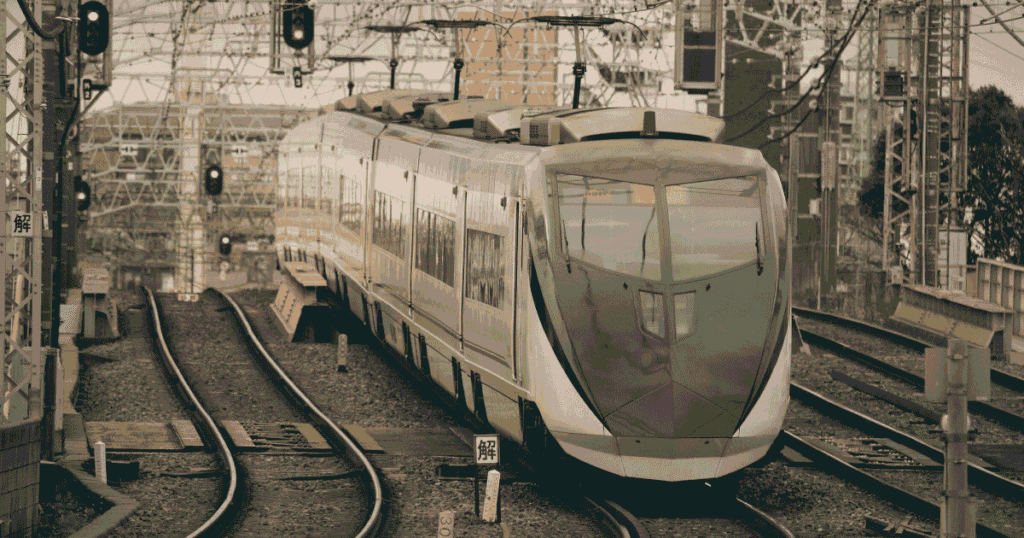
Narita Express(N'Ex)
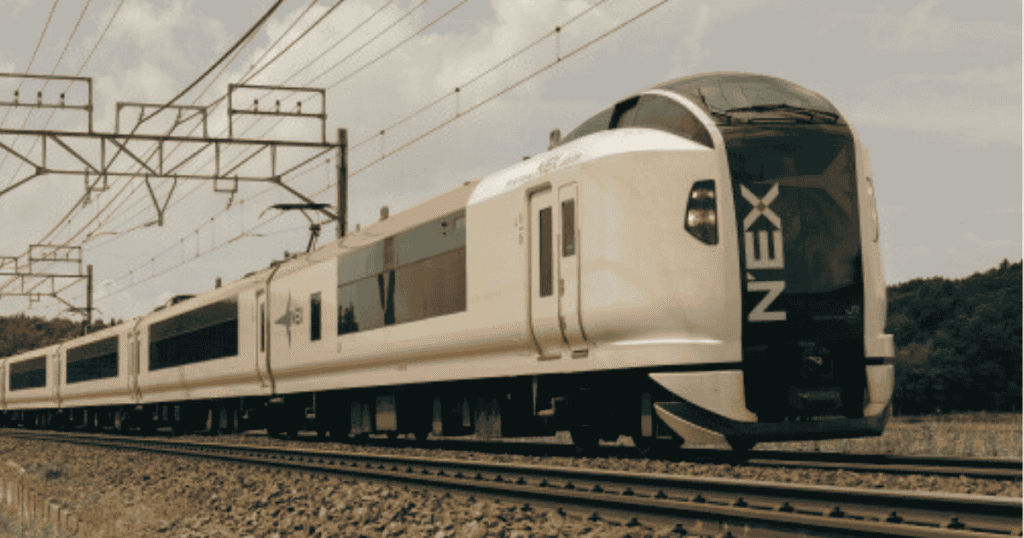
- To Shinjuku Station (via Tokyo): 85m / ¥3,250
This is essential for those taking the Azusa No. 5 or renting cars in the city.
- To Tokyo Station: 60m / ¥3,070
Note: The transfer at Tokyo Station involves a significant walking distance. This is because the Narita Express arrival platforms and Shinkansen platforms are located on opposite sides of the station and on different levels. You should allow extra time for this transfer.
- Official Web Site: EAST JAPAN RAILWAY COMPANY
Airport Bus
- to Tokyo Station: 70m / ¥1,500
Cheap, but ski bags are generally not permitted in the hold. Therefore, shipping gear is required.
- Official Web Site: Airport Limousine Bus ( Airport Transport Service )
Haneda Airport to Tokyo Hubs (Tokyo or Shinjuku Station)
From Haneda Airport, you can choose either the Tokyo Monorail or the Keikyu Line based on your preference or whichever train is departing first. Both provide easy access to the JR lines that connect to Tokyo or Shinjuku.
Via Tokyo Monorail
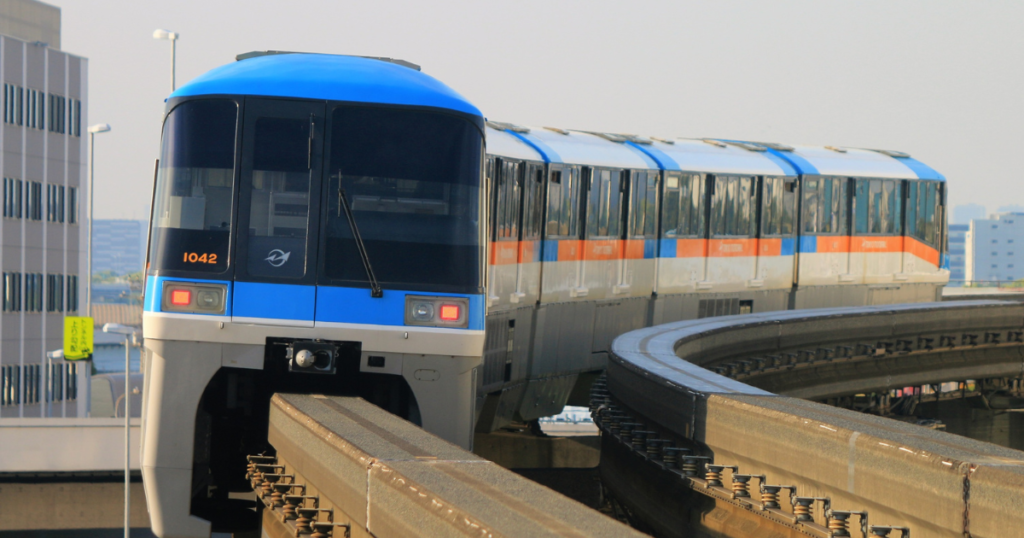
Take the monorail to the terminal at Hamamatsucho Station, then transfer to the JR Yamanote or Keihin-Tohoku Line. Tokyo Station is approximately 5 minutes away, and Shinkansen departures are frequent. Shinjuku Station is about 25 minutes away via the JR Yamanote Line.
- Official Web Site: Tokyo Monorail
Via Keikyu Line
Take the Keikyu Line to Shinagawa Station, then transfer to the JR lines. Tokyo Station is about 10 minutes away, while Shinjuku Station is approximately 20 minutes away via the JR Yamanote or Saikyo Lines.
- Official Web Site: Keikyu Corporation
Limousine Bus
This is often preferred because it allows you to avoid stairs entirely while carrying heavy ski bags. It provides direct service to major stations and hotels in Tokyo and Shinjuku.
- Official Web Site: Airport Limousine Bus ( Airport Transport Service )
4. Detailed Breakdown: How to Get to Hakuba from Tokyo
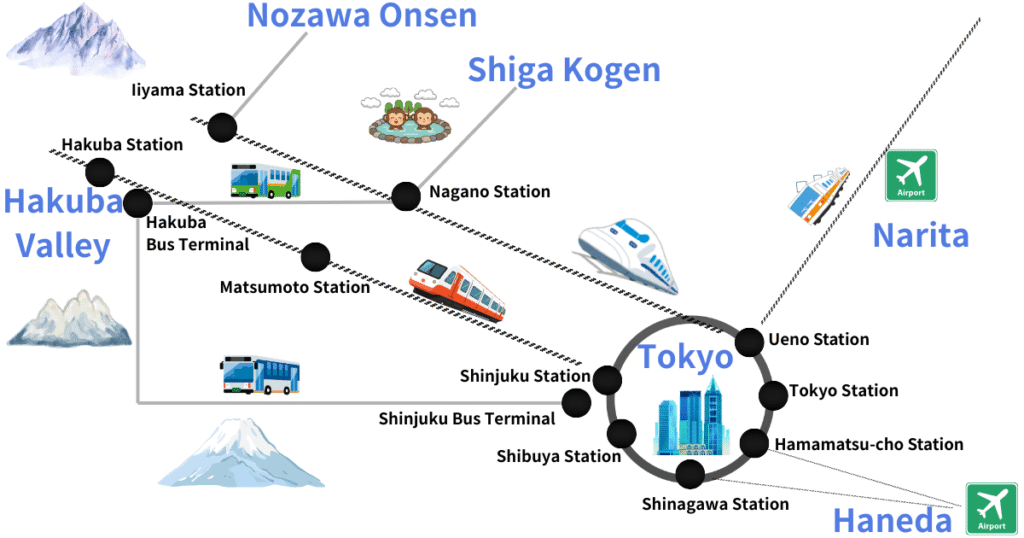
Route A: Via Ueno or Tokyo (Hokuriku Shinkansen)
If you arrive via the Skyliner, you will need to transfer between railway companies at Ueno Station. On the other hand, if you arrive from Haneda or via the Narita Express, you will transfer at Tokyo Station. However, please be aware that the arrival and Shinkansen platforms are far apart at Tokyo Station. Regardless of which hub you use, you must allow extra time for the transfer. After reaching Nagano Station via Shinkansen, you must take a 75-minute bus to reach the valley. Total motion time: 3h 20m.
Route B: Via Shinjuku (Azusa, Bus, or Rental Car)
Shinjuku is the only hub offering direct road and rail links that reach the heart of the valley without any transfers.
Ltd. Exp. Azusa:
3h 40m from Shinjuku. You must take Azusa No. 5. Other trains end at Matsumoto with poor connections.
Highway Bus:
4h 40m from Busta Shinjuku. Direct to Happo/Goryu. Tokyo to Hakuba night buses are also available for those wanting to maximize their time on the slopes.
Rental Car:
Rent in Shinjuku in order to avoid Shuto Expressway complexity. You must book a “4WD with Winter/Studless Tires.”
5. How to Get from the Airport to Hakuba (Direct Services)
Eliminating the need to navigate Tokyo’s massive rail terminals is the ultimate luxury. By utilizing these direct services, you can travel from the airport tarmac or arrival lobby straight to the snow.
Heli-Taxi:
Approx. 90 mins. No traffic, no trains, hit the slopes same day.
- Note: While we use Narita as an example, departures are also available from Haneda Airport and various heliports within central Tokyo (such as Akasaka or Shinkiba).
Nagano Snow Shuttle (Airport Shuttle):
6h 00m. A popular direct bus from the airport arrivals lobby. This is a great way to avoid train station stairs.
Private Mini-Bus:
5h 00m. Best for families with heavy gear. Sleep the whole way.
6. Essential Step-by-Step Transfer Guide
Understanding the layout of Japan’s busiest hubs is essential to avoid fatigue. Ultimately, these steps ensure you don’t get lost with your gear.
- Shinjuku Station: The Ltd. Exp. Azusa departs from Platforms 9 or 10. Check for the “Direct to Hakuba” display.
- Busta Shinjuku: Highway Buses depart from the 4th Floor, located directly across from the South Exit.
- The Golden Rule (Arriving at Hakuba Station): Never walk from Hakuba Station to your lodge with luggage. Because major accommodation areas (like Echoland or Wadano) are more than 1km away, and snow or slush makes dragging bags impossible, you should always arrange a lodge pickup or book a taxi.
- Arriving at a Bus Terminal: Upon arrival at the Hakuba Bus Terminal, check the distance to your accommodation. If it is nearby, walking may be possible; however, for further distances, we strongly recommend arranging a lodge pickup, using a shuttle bus, or taking a taxi.
7. Tickets, Passes, and Luggage Logistics
Modern travel in Japan is defined by your luggage strategy. In fact, handling your own bags in Tokyo is often the most exhausting part of the trip. Fortunately, it can be avoided with proper planning.
Takkyubin (Luggage Delivery) : Shipping your gear from the airport directly to your lodge allows you to travel light.
- Cost: Approx. ¥1,650 – ¥4,500 based on size.
- [Crucial] The 18:20 Deadline: To guarantee next-day delivery, you must drop your bags at the airport counter by 18:20 (6:20 PM). Otherwise, your gear will arrive the day after next.
8. Conclusion: Which Route Should You Choose?
- Ultimate Speed: Heli-Taxi (available from Narita, Haneda, or central Tokyo).
- Smart Rail Travel: Azusa No. 5 from Shinjuku (Transfer-free).
- Families & Groups: Private Mini-Bus from the airport arrivals.
- Independent Explorers: Rental Car from Shinjuku (4WD/Winter tires required).
9. Frequently Asked Questions (FAQ)
How do I go from Haneda Airport to Hakuba by train?
Transfer via Hamamatsucho (Monorail) or Shinagawa (Keikyu) to reach Tokyo Station or Ueno Station for the Shinkansen, or head to Shinjuku Station for the direct Azusa No. 5.
Is Narita or Haneda better for Hakuba?
Both are convenient. Haneda is closer to central Tokyo, making the rail transfer faster. However, Narita often offers more direct “Snow Shuttle” bus options.
How do I get from Nagano to Haneda Airport?
Take the bus from Hakuba to Nagano Station, then the Shinkansen to Tokyo Station, and finally the Monorail or JR/Keikyu lines to Haneda.
Does the Shinkansen go all the way to Hakuba?
No, the Shinkansen goes as far as Nagano Station. After that, you must transfer to a 75-minute bus.
Are there night buses from Tokyo to Hakuba?
Yes, overnight buses (Tokyo to Hakuba night bus) depart from Shinjuku (Busta Shinjuku) and arrive in Hakuba early the next morning.
How to get to Hakuba from Tokyo?
The most common ways are the Shinkansen from Tokyo/Ueno to Nagano (then bus) or the direct Ltd. Exp. Azusa 5 from Shinjuku.
Nagano Snow Shuttle?
(Refer to Section 5: Direct Services for details on this airport shuttle).
How do I get from the Airport to Hakuba?
(Refer to Section 5: Direct Services for options including Heli-Taxi, Snow Shuttle, and Private Bus).
Not sure if Hakuba is the right choice?
Explore our other 2026 comparison guides to find your perfect Japan ski destination:
- [Hakuba vs. Niseko: Powder, Access, & Value Showdown]
[Hakuba vs. Hokkaido: Regional Guide to Snow and Costs]
[Hakuba vs. Rusutsu: Which is Better for Crowds?]
[Hakuba vs. Shiga Kogen: Nagano’s Two Giants Compared]
[Hakuba vs. Nozawa Onsen: Steep Terrain vs. Traditional Culture]