Traveling with a large group or heavy luggage? A rental car might be the best choice for you. You don’t have to worry about train schedules or carrying suitcases through crowded stations. Also, you can visit hidden spots around Takayama that buses cannot reach. In this article, we explain the costs, the best routes, and safety rules for your Takayama drive. Let’s get ready for a comfortable journey to the heart of Gifu.
Table of Contents
Toggle1. Why Rent a Car? Freedom, Flexibility, and Hidden Gems
Public transport like trains and buses are great. However, a rental car gives you more freedom!
- No fixed schedules: You don’t have to run to the station to catch a train. You can start your day whenever you want.
- Visit “Hidden Gems”: There are many beautiful places that buses do not go to. With a car, you can find small villages, quiet shrines, and amazing viewpoints.
- Stop for photos: If you see a beautiful mountain, you can stop and take a photo immediately!
The Ultimate Route: Top Spots Between Tokyo and Takayama If you drive from
Tokyo to Takayama, you will pass through Nagano Prefecture. This area has many great sightseeing spots along Route 158. Here are some hidden gems you should visit:
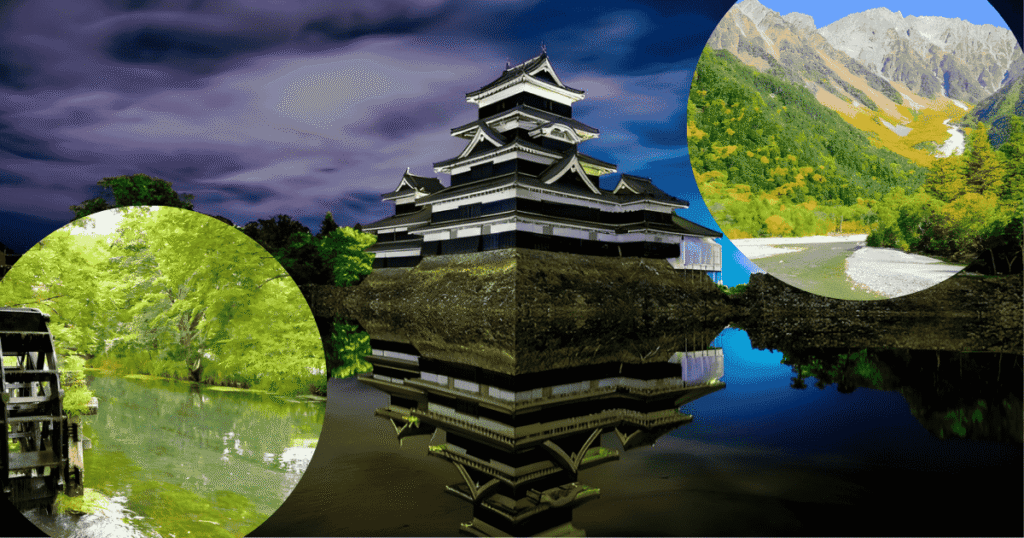
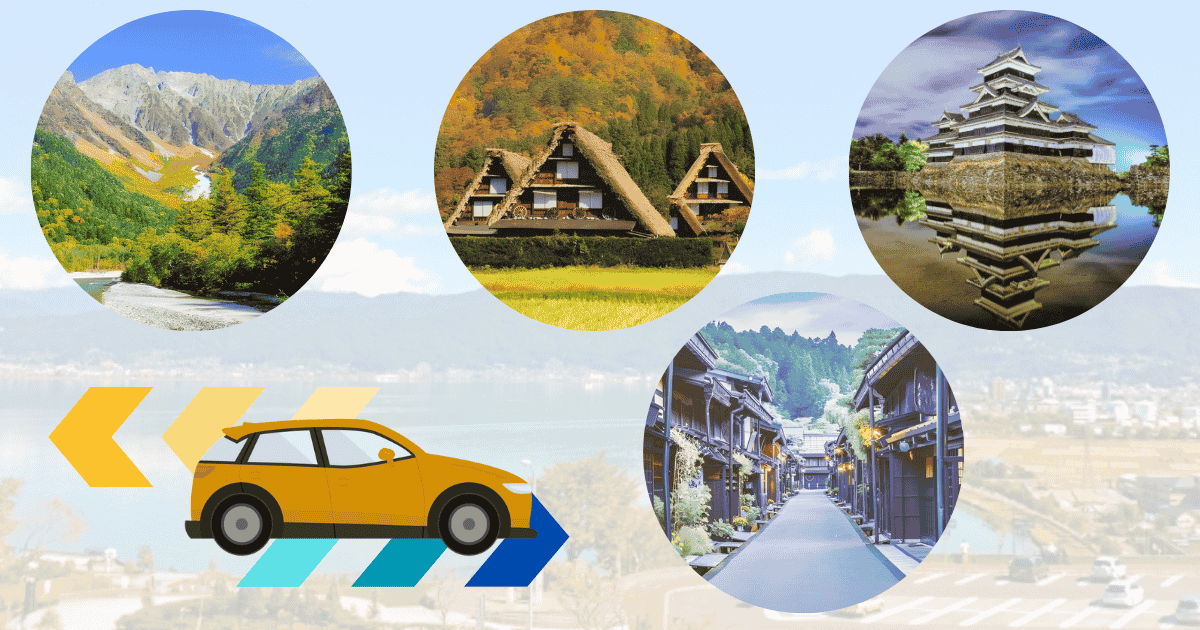
National Treasure: Matsumoto Castle
We highly recommend stopping at Matsumoto Castle. It is one of the oldest and most beautiful historic castles in Japan.
Daio Wasabi Farm (Azumino)
From Matsumoto, drive a little north to visit one of Japan’s largest wasabi farms. Wasabi needs very clean water to grow, so the nature here is beautiful. You can enjoy Japanese restaurants, cafes, and fresh wasabi ice cream!
Kamikochi
Kamikochi is a famous mountain resort. Please note: Private cars are not allowed inside Kamikochi to protect nature. You must park your car at the designated parking lot along Route 158 and take a shuttle bus. The bus leaves every 30 minutes and takes about 30 minutes to reach the beautiful views of the Alps.
The Ultimate Route: Top Spots on the Tokai-Hokuriku Expressway
If you are coming from Nagoya, Osaka/Kyoto, or Kanazawa/Toyama, you have two amazing choices.
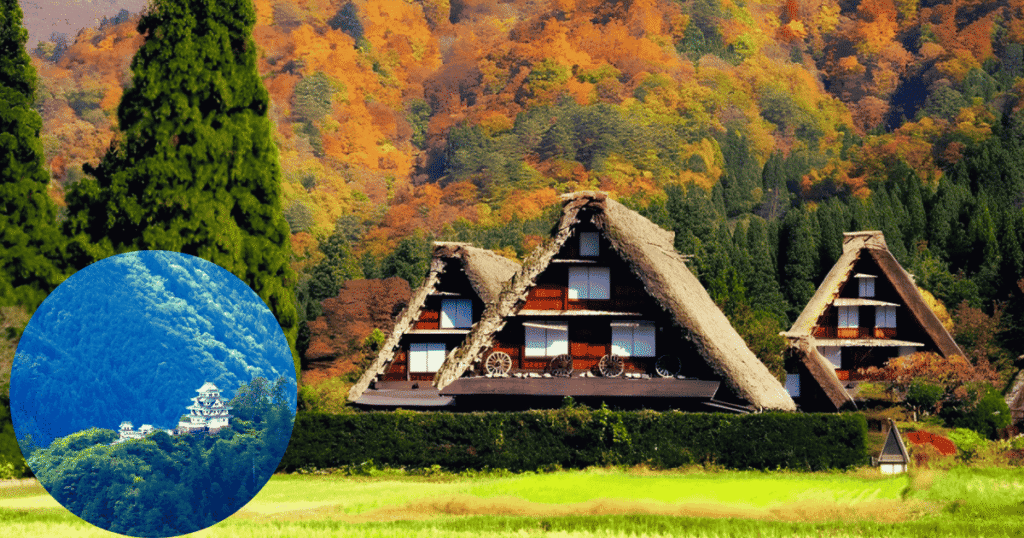
Gujo Hachiman (from Nagoya, Osaka, or Kyoto)
If you are driving north from Nagoya, Osaka, or Kyoto, you should stop here. This town is famous for its pure water and a castle on top of a hill. It is a very peaceful place to walk around and relax.
Shirakawa-go (UNESCO World Heritage Site)
This is a world-famous village with traditional farmhouses.
- From Nagoya, Osaka, or Kyoto: You will drive north and pass the exit for Takayama. It is a bit further, but with a car, it is very easy to visit!
- From Kanazawa or Toyama: If you are driving south, Shirakawa-go is located right on the way to Takayama. You can see the famous “Gassho-zukuri” houses and feel the history of old Japan.
Perfect for Groups Who Love Freedom
If you are traveling in a group and want to explore at your own pace, a car is a fantastic choice. However, driving long distances can be expensive and tiring. To decide if driving is better for you than taking the train or bus, please refer to our [Comprehensive Transport Overview].
If you’ve already decided to drive, here is why a rental car is perfect for exploring the hidden side of Japan:
2. Planning Your Road Trip: Costs, Tolls, and ETC
Driving in Japan is fun, but the highway system can be confusing at first. Most highways in Japan are not free. You must pay a “toll” to use them.
What is ETC?
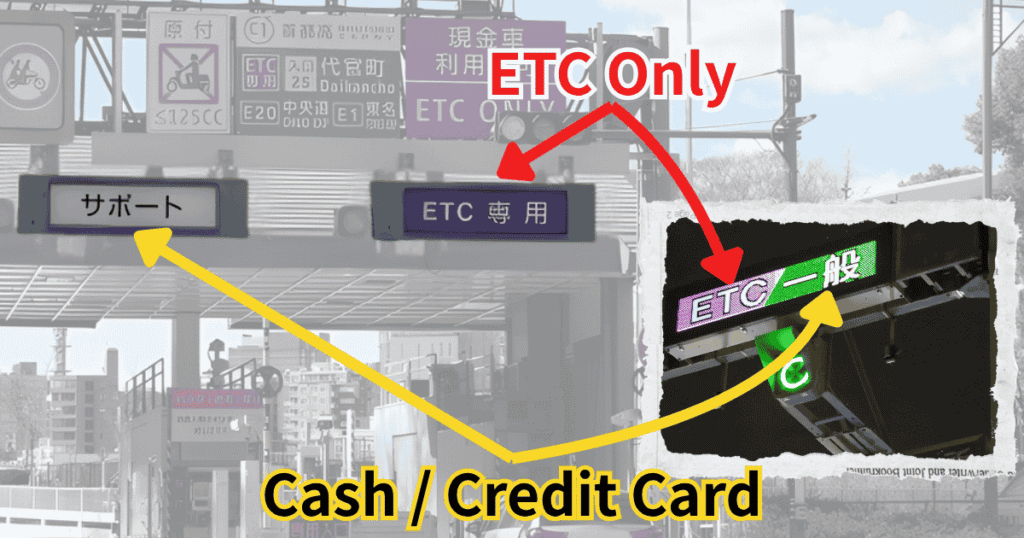
ETC stands for Electronic Toll Collection. It is a small card you put inside your rental car.
- ETC Gate (Purple background with white letters): If your car has an ETC card, look for the purple gate that says “ETC” in white. You don’t need to stop; just slow down to 20 km/h, and the gate will open automatically!
- Cash/Card Gate (White background with black letters): If you don’t have an ETC card, you must use the gate that says “サポート” (Support) in black letters. You have to stop and pay with cash or a credit card.
- Note: In some places, you might see a green gate with white letters that says “一般” (General).
Advice from Zen-trip: We highly recommend renting an ETC card from your car rental company. It is much easier and faster!
Estimating the Total Cost: Rental Fees, Gas, and Tolls
Is driving cheaper than the train? Let’s look at the costs for a trip from Tokyo to Takayama.
- Rental Fee: About 8,000 to 16,000 yen per day for a standard car.
- Gas (Petrol): About 5,000 to 10,000 yen for a round trip.
- Highways (Tolls): About 7,000 to 9,000 yen one way.
Is it worth it?
Even if you share the cost with 4 people, a car can be more expensive than the train. For a long trip to Takayama, you will need to rent a car for at least two days, or even a week.
If you want to save money, we do not recommend driving long distances. Instead, we suggest taking a bus or train for the long journey. Then, you can rent a car for just a few hours in Takayama to visit places that are hard to reach by bus.
International Driving Permit (IDP) Requirements
Before you fly to Japan, you must have the right documents. You cannot rent a car with only your home country’s license.
- International Driving Permit (IDP): You must get this in your home country before you leave. It must be the “1949 Geneva Convention” type.
- Passport: You need to show your original passport at the rental office.
- Special Rules for Some Countries: If your license is from Switzerland, Germany, France, Belgium, Monaco, or Taiwan, you don’t need an IDP.
Other Conditions: The rules for driving in Japan are very strict and detailed. Please check the official documents from the Metropolitan Police Department (Keishicho) before you travel to make sure your documents are correct.
3. Safety First: Navigating Mountain Roads and Tunnels
The road to Takayama is beautiful, but it is different from driving in a big city. You will drive through high mountains and many long tunnels.
What to Do in Case of Road Closures or Landslides
In Japan, heavy rain, snow, or landslides can sometimes cause road closures. If a road is closed, don’t worry! There is always a detour (another way to go).
- Check “iHighway”: This is a great website and app for real-time traffic info.
- Google Maps: It is very helpful, but always check the official road signs too.
Important Update for 2026 (Route 158)
If you are driving from Tokyo via Matsumoto, please be careful!
Current Situation: A section of Route 158 (between Hirayu Onsen and Takayama City) is currently closed. While a detour is available, it is often heavily congested and can significantly increase your travel time. [(Check official updates →)]
Our Recommendation: Instead of taking the detour on Route 158, we suggest a different route:
- From Hirayu Onsen, drive toward Kamioka Town.
- Then, take Route 41 to enter Takayama City. This way is a bit longer, but the road is wider and usually has less traffic.
4. Winter Alert: Crucial Tips for Snowy Roads
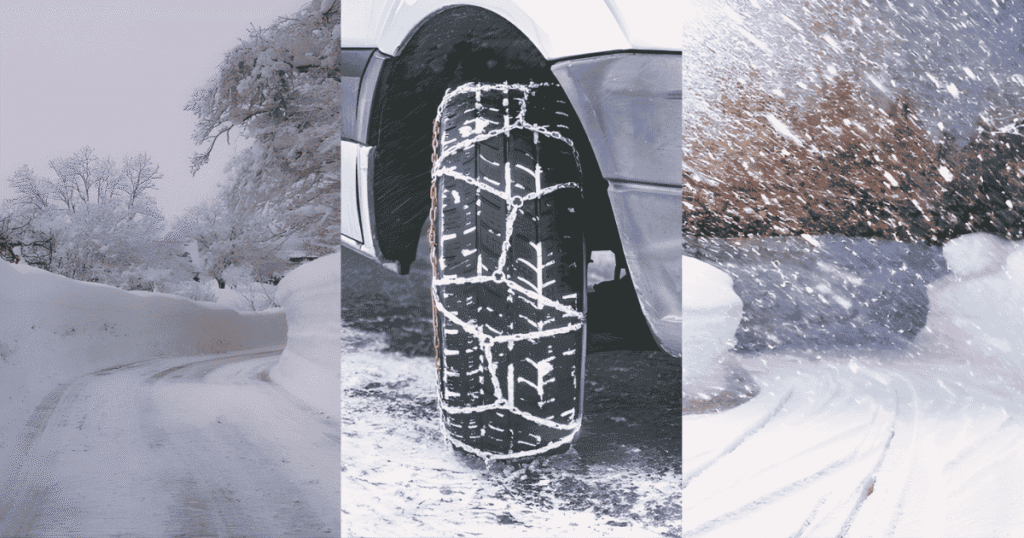
Driving in the Hida region during winter (December to March) is beautiful but can be very dangerous. The roads are often covered with deep snow or hidden ice. Your safety is the most important thing!
Snow Tires (Studless Tires) are Mandatory from December
In Japan, you must use Studless Tires (snow tires) in winter. However, even with snow tires, you can still get stuck or slide on the ice.
- Book a 4WD Car: When you rent a car, please ask for a 4WD (Four-Wheel Drive) vehicle. It is much safer on mountain roads.
- Carry Snow Chains: Sometimes, the police will close the road unless you have snow chains. This is called a “Chain Requirement.” Do not feel too safe with just 4WD and snow tires. Living in the snowy Hida region, we know that cars can still get stuck without chains. Please make sure your rental car has them in the trunk.
- Beware of “Black Ice”: The road may look like just a wet road, but it could be frozen ice. Even a 4WD car cannot stop easily on ice! In this case, snow chains are also very helpful to keep you safe.
Tips for Driving in Snow and Ice for Beginners
If you are not used to driving in the snow, we do not recommend using a car. If you must drive, please follow these rules to stay safe:
- Go Slow: Drive much slower than the speed limit. Give yourself plenty of time to reach your destination.
- No Sudden Actions: Never brake suddenly, turn the steering wheel quickly, or accelerate fast. These actions will make your car slide.
- Keep a Long Distance: You need much more space to stop on snow. Keep at least three times the normal distance from the car in front of you.
- Use Engine Braking: When going downhill, shift to a lower gear (like “L” or “S”) to slow down without using only the foot brake.
5. Rest Stops and Local Flavors: The Joy of "Michi-no-Eki"
One of the best things about driving in Japan is visiting rest stops! There are two types: Service Areas (SA) on the highway and Michi-no-Eki on local roads. Both are great places to eat, shop, and relax.
Best Service Areas (SA) on the Route to Takayama
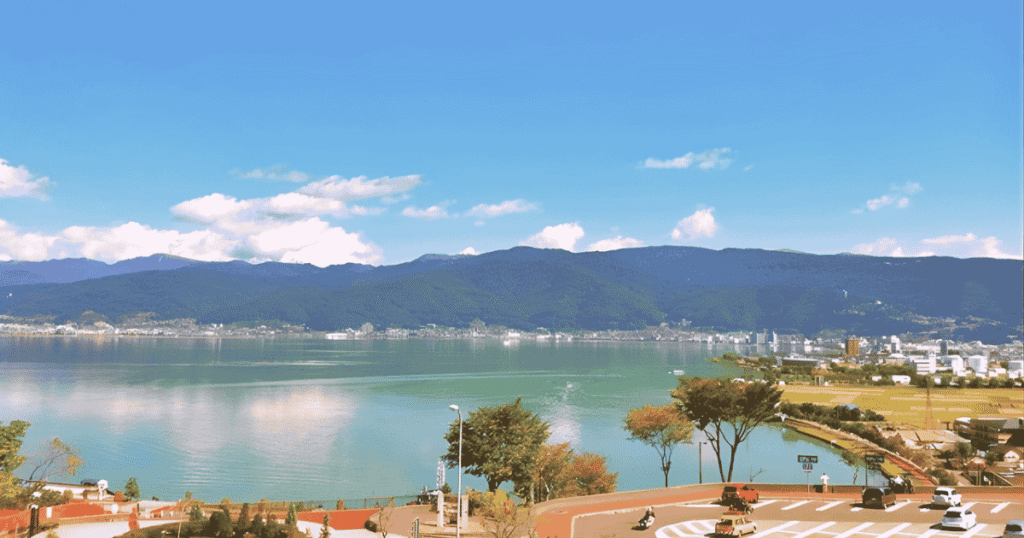
If you are driving from Tokyo, you should stop at Suwako SA (Nagano): It is one of the best rest stops in Japan. You can see a beautiful view of Lake Suwa from here. There is even a hot spring (Onsen) inside the building!
Exploring “Michi-no-Eki” and Drive-ins: Local Farmers’ Markets
“Michi-no-Eki” (Roadside Stations) and drive-ins are more than just parking lots. They are like small festivals for local food!
- Unique Souvenirs: You can find handmade crafts, local sake, and special snacks that you cannot buy in Tokyo.
- Clean Restrooms: They are always very clean and free to use, which is very helpful for long drives.
- Hida Beef: As you get closer to Takayama, you can try delicious Hida Beef snacks!
- If using the Tokai-Hokuriku Expressway: Stop at Michi-no-Eki: Nanamori-Kiyomi. (Google map)
- If driving from Nagano via the Chuo Expressway: Stop at Alps Kaido Hirayu (Drive-in). You can try Hida Beef skewers or croquettes. They are perfect for a quick and tasty snack!
6. Parking in Takayama: Avoid the Crowds
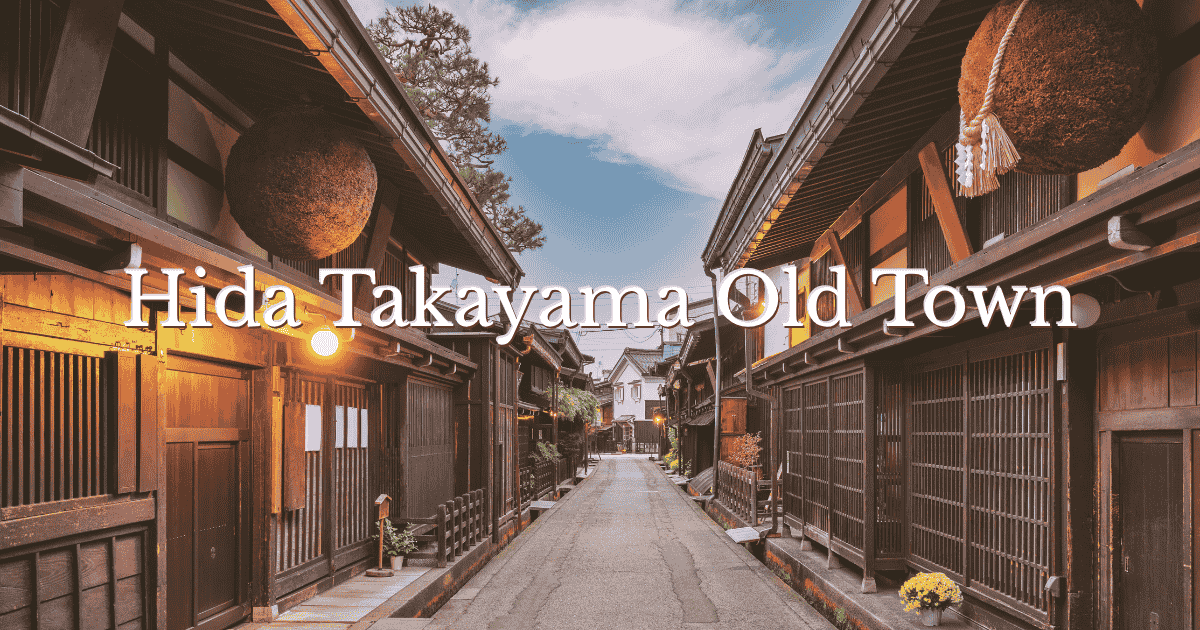
When you arrive in Takayama, the first thing you need to think about is where to park your car. The “Old Town” (Sanmachi Suji) is very popular, but the streets are narrow and parking can be difficult. Here is how to find a spot without stress.
Top-Rated Parking Lots for Sightseeing in the Old Town
If you want to see the famous morning markets or the Old Town, these parking lots are large and easy to enter:
- Kamiichi Parking: This is right in the center of the sightseeing area. It is a bit busy, but very convenient. (Google map)
- T-fas Takayama Parking: This is perfect if you arrive early in the morning. It is very close to the river and the morning market. (Google map)
- Large Vehicle Tips: If you are driving a large SUV or a van, look for outdoor (surface) parking lots. Avoid “mechanical” or underground parking, as your car might be too big!
- Zen-trip Tip: There are many outdoor parking lots around JR Takayama Station. They are about a 15 to 20-minute walk from the Old Town, but they are easier to enter with a large car. (Google map)
Hotels with Free Parking vs. Paid Public Parking
When you book your hotel in Takayama, please check the parking information carefully.
- Hotels with Free Parking: Some hotels (especially those a bit far from the station) offer free parking for guests. This can save you about 1,000 to 2,000 yen per night!
- Paid Public Parking: If your hotel is in the middle of the Old Town, they may not have their own parking. In this case, you will need to use a public parking lot.
- Check the Height: Some hotel parking lots have height limits (e.g., 2.1 meters). If you have a roof carrier for skis or snowboards, make sure to tell the hotel in advance!
7. Summary: Is a Road Trip the Best Way for You?
So, should you drive to Takayama or take the train? Both are great ways to travel, but the best choice depends on what you want.
Choose a Car if:
- You have heavy luggage or are traveling with small children.
- You love freedom and want to visit “hidden gems” like Shirakawa-go or local shrines.
- You want to stop whenever you see a beautiful view!
Choose the Train if:
- You want to relax and not worry about traffic or mountain roads.
- You are visiting in winter and are not used to driving on snow.
- You want to enjoy famous “Ekiben” (lunch boxes) and local sake on the train!
Conclusion: A road trip to Takayama is an unforgettable experience. If you decide to drive, please plan carefully, check the weather, and enjoy the beautiful scenery of the Japanese Alps.
Still Deciding on Your Transport?
If you want to compare other ways to get to Takayama, check out our other deep-dive guides:
Back to the Main Guide: Not sure if this is the right route for you? Go back to our [How to Get to Takayama (2026): The Ultimate Transport Guide] to compare all transport methods at a glance.