Takayama’s “Old Town” is world-famous, but that is only the beginning. This region is packed with 3,000-meter mountains, deep forests, and UNESCO World Heritage sites like Shirakawa-go. To be honest, a few days are not enough to see it all!
After living here for five years, I have discovered the best way to enjoy the Japan Alps: Use Takayama as your “Base Camp.” You don’t need to carry heavy suitcases every day. By staying in Takayama, you can easily take day trips to hidden forests and historic villages. Here is why Takayama is the perfect home for your 7-day adventure, and how it will become the highlight of your Japan trip.
Table of Contents
Toggle1. Why Takayama is the Perfect Base Camp
The Hida region, centered around Takayama City, is full of beautiful nature and unique culture. Here are three reasons why staying here makes your trip easier and better:
- The Hub of Transportation: The “Nohi Bus Center” is right next to the train station. From here, you can catch a bus to almost every mountain and village in the area.
- Walkable Nightlife: Across the river from the Old Town, areas like Asahimachi and Suehirocho are filled with local restaurants and bars. You can easily walk from your hotel to enjoy a cozy dinner with the locals.
- Smart Luggage Strategy: Stay in the same hotel for a week! If you take a short overnight trip to Shirakawa-go or Okuhida, you can leave your big suitcases at your hotel in Takayama and travel light with just a backpack.
- Tip: If you change hotels or can’t leave your bags, use the coin lockers at JR Takayama Station or the Nohi Bus Center.
- Stress-Free Laundry: Staying in one place for a week means you can finally catch up on laundry at your hotel without worrying about your next check-out time.
2. Seven Days in Hida: The Perfect Itinerary
When you visit Japan, you probably want to see as many places as possible. However, Japan is much larger than you might think. Even if you stay for a few months, it is impossible to see everything.
If you want to experience the best of Japanese culture, nature, and food all in one place, the Hida region is the perfect destination. To help you enjoy this area efficiently, we have created an ideal 7-day plan. Please use this guide to make your trip unforgettable!
Day 1: The Beauty of "Hidden Luxury" and Local Flavors
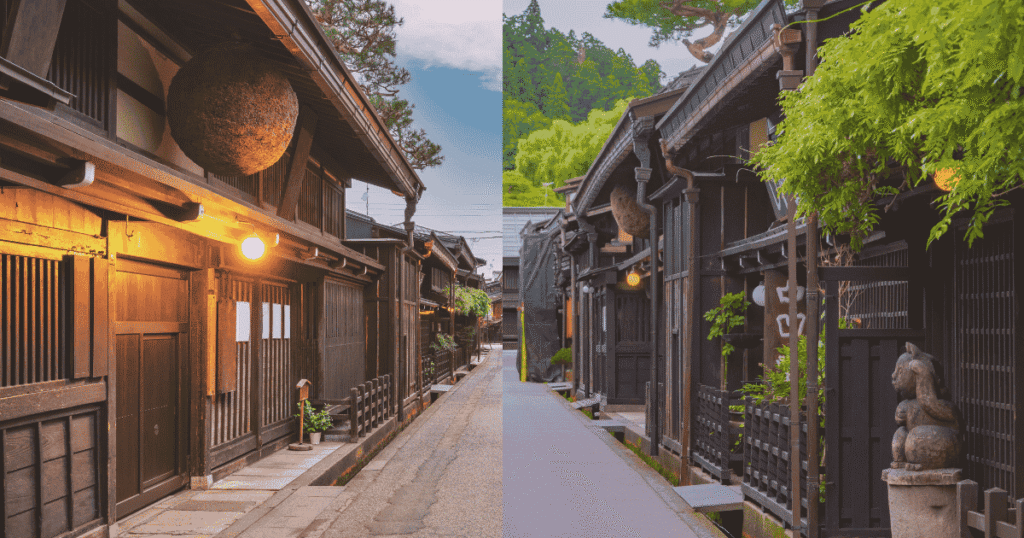
Day 1 is all about immersing yourself in the soul of the Hida region. After arriving in the morning, you will spend your afternoon strolling through the preserved “Old Town” streets, discovering the secrets of local craftsmanship, and hopping between historic sake breweries before settling into your hotel in central Takayama for the night.
Morning: Arrival in Takayama
First, make your way to Takayama City. For the best routes and prices, please check our guide: [How to Get to Takayama (2026): The Ultimate Transport Guide].
Afternoon: Exploring the Old Town
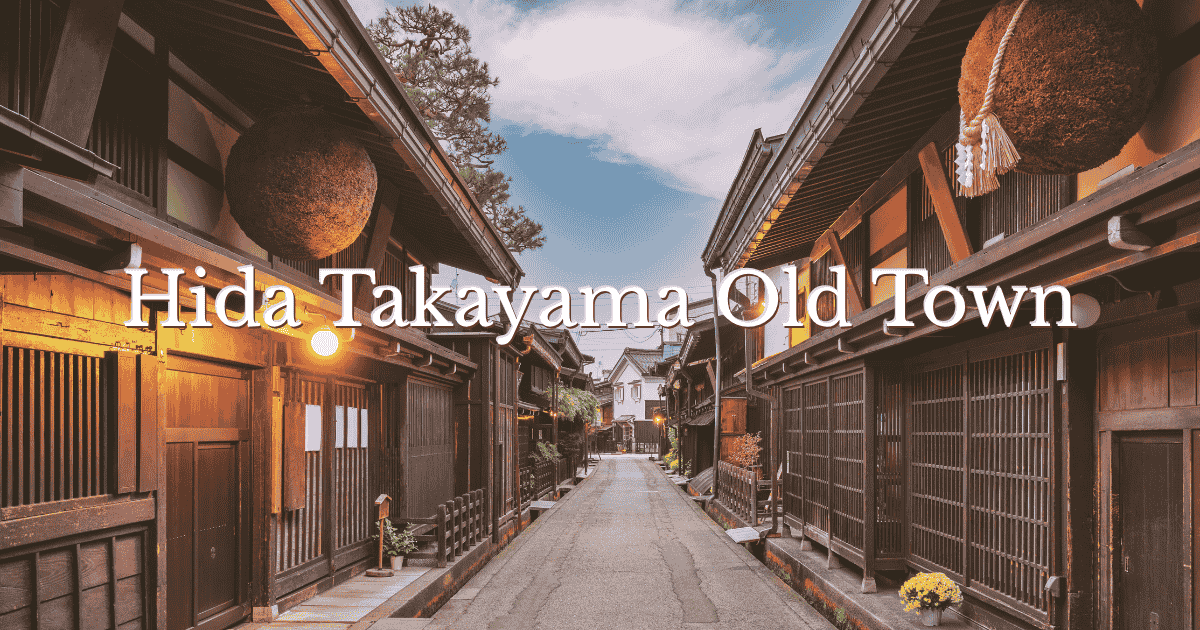
Head to the historic “Old Town” district. As you walk, look closely at the traditional houses. You will notice they are painted a unique, deep black.
Centuries ago, strict laws forbade merchants from flaunting their wealth. In response, local craftsmen perfected a style of “Understated Elegance” (or Uchi-iwai). They used black soot and oil to make the outside look simple and modest, while using the highest quality wood for the interior. To learn more about these fascinating buildings, see: [Hida Takayama Old Street & Town: Ultimate Guide by a 5-Year Local].
Sake Brewery Hopping
For sake enthusiasts, the seven historic breweries in this district are an absolute must-visit. Each shop offers a variety of sake for tasting. It’s hard to visit them all in one afternoon, so we recommend trying three breweries today.
While You Walk
Between tastings, there are many great spots to visit:
- Takayama Jinya: A beautiful former government office from the samurai era.
- Cozy Cafes: Take a break at a cafe with a second-floor view of the streets.
- Street Food: Try some local snacks like Mitarashi Dango (sweet and salty rice dumplings).
Day 2: Goshikigahara Forest – A Hidden Gem in the Japan Alps
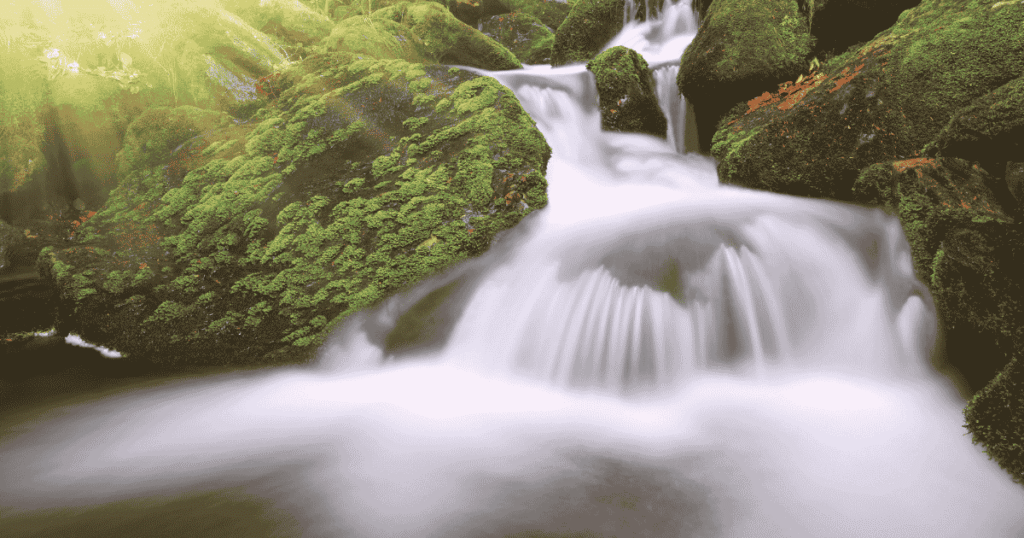
Day 2 is dedicated to exploring the majestic Goshikigahara Forest, a 3,000-hectare hidden gem at the edge of the Japan Alps. After a full day of “immersion” among ancient trees and powerful waterfalls with a professional guide, you will travel a short distance further into the mountains to spend the night at Hirayu Onsen or Fukuji Onsen, where you can soak away your fatigue in a traditional hot spring bath.
Discover the Great Nature of Central Japan
Take a bus to the Goshikigahara Forest. This massive 3,000-hectare forest is located at the southern edge of Chubu Sangaku National Park. Here, you can experience beautiful seasonal flowers, clear mountain streams, and powerful waterfalls flowing from Mt. Norikura.
A Special Guided Experience
To protect the rare ecosystem and ensure safety in the complex terrain, a special area opened in May 2025 that requires a certified guide. While you need to pay an entry fee and book in advance, a 7-hour “immersion” in deep nature awaits you.
Note: Most guides speak only Japanese. English-speaking guides are limited. Please check availability when you make your reservation.
Quick Info (2026 Season)
| Course Name | Duration | Price (per person) | Highlights |
|---|---|---|---|
| Pond & Waterfall | Approx. 3 hours | From 6,100 yen | Easy walk with mountain streams |
| Shirabiso Short | 4.5 hours | From 9,000 yen | Deep mossy forest & ancient trees |
| Kamoshika / Goshuara | 8 hours | Up to 18,200 yen | Full immersion in untouched nature |
- Open Period: May 10th – October 31st (Goshuara Course starts June 6th)
- Access: 40 mins by bus from Nohi Bus Center to “Goshikigahara Nyuzanguchi” stop.
- Booking: Required in advance via the Official Website.
Winter Alternative: Hounoki-daira Ski Resort
From late December to late March, the forest is covered in deep snow and the hiking courses are closed. However, you can enjoy the winter wonderland at Hounoki-daira Ski Resort, located right next to Goshikigahara.
Why Visit: Unlike the crowded resorts in Hakuba, this is a local favorite where you can explore all the trails in a single day.
For All Levels: It features excellent slopes that are used for national-level ski competitions, offering high-quality runs for experts and gentle slopes for beginners.
Perfect Flow: After a day on the slopes, the short trip to your Ryokan in Hirayu or Fukuji Onsen for a soak in the hot springs is even more rewarding.
| Category | Details |
|---|---|
| Season | Late December – Late March |
| Access | 45 mins by bus from Nohi Bus Center to "Hoonokidaira" stop. |
| Official Site | Hounoki-daira Ski Resort |
Day 3: More "Hidden Luxury" and Local Flavors
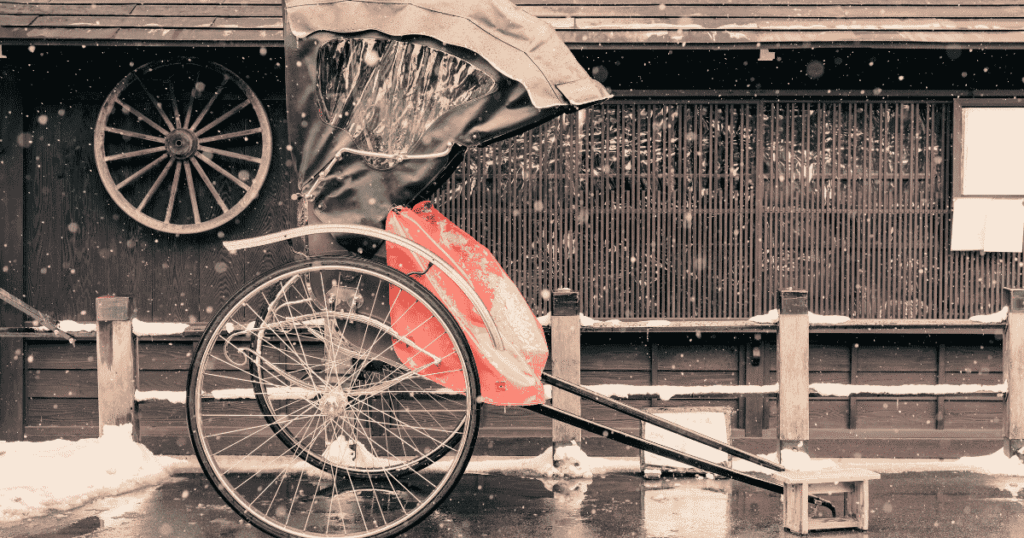
Day 3 is your efficient return to the city, starting with a clever bus stop strategy to maximize your sightseeing time. After visiting the Yatai Kaikan and enjoying a panoramic lunch at a mountain-top cafe, you will head back down to the Old Town to complete your sake brewery hopping before settling back into your hotel in central Takayama for the night.
Return to Takayama
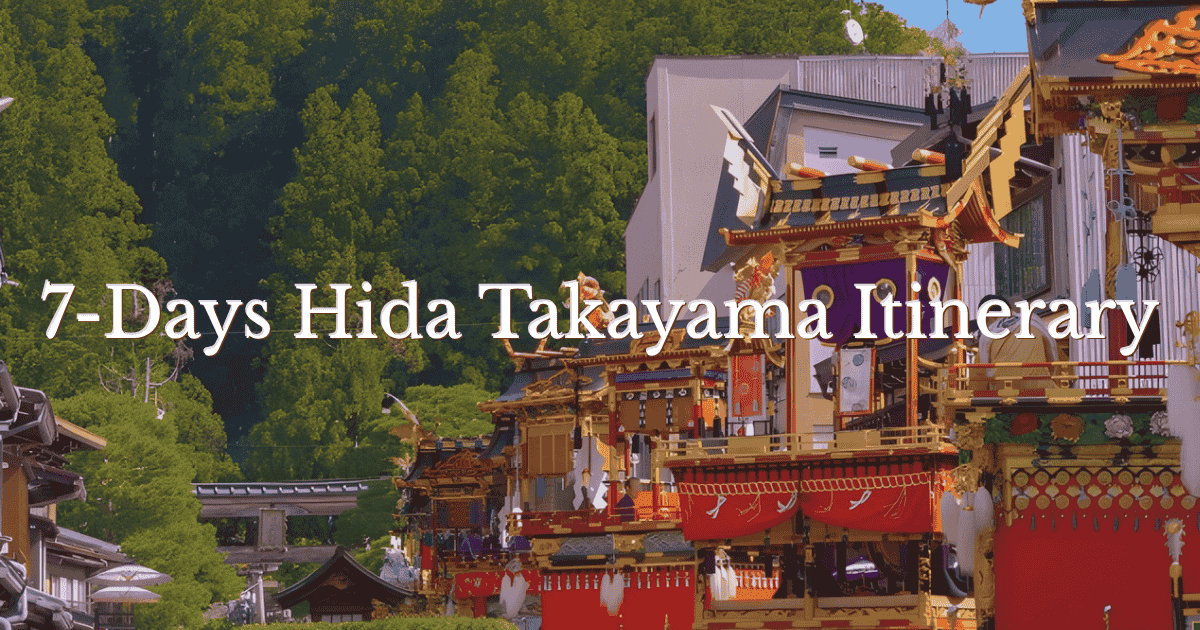
When returning from the hot spring area by bus, get off at the “Betsuin-mae” bus stop instead of going all the way to the final station. This puts you right next to the Takayama Festival Float Exhibition Hall (Yatai Kaikan), making your sightseeing much more efficient.
Deep Dive into the Old Town
After visiting the hall, take a 15-minute walk up the hill to the summit. Please note that the path is quite steep, but the reward is worth it! You can enjoy lunch at the mountain-top cafe “Ichii” while taking in the panoramic view of the entire city and the Alps. After your meal, head back down to the Sanno-machi (Old Town) district to continue your sake tastings and explore the historic streets at your own pace.
Sake Brewery Hopping (Part 2)
If you enjoyed the sake tasting on Day 1, why not visit the remaining breweries? With seven historic breweries in total, you can use today to find your favorite local bottle.
Day 4: Satoyama Cycling and Rare Mountain Seafood
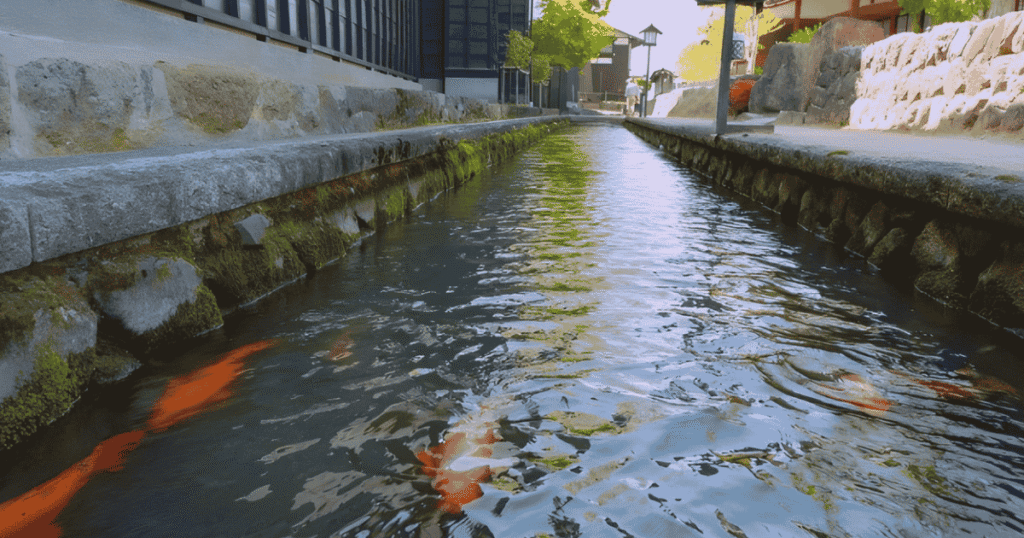
Day 4 is a short journey to Hida Furukawa, a tranquil town known for its crystal-clear canals and nostalgic countryside charm. You will spend your day cycling through golden rice fields and exploring white-walled storehouses, followed by a rare culinary experience—tasting “Mountain Fugu” raised in local hot spring water—before returning to your central Takayama hotel for another relaxing night.
A Peaceful Town of 1,000 Koi Fish
Take a short 15-minute train ride to Hida Furukawa. This quiet castle town is famous for its beautiful white-walled storehouses and crystal-clear canals where over 1,000 colorful koi fish swim.
Hida Satoyama Cycling
Join a popular guided cycling tour to explore the real Japanese countryside. This tour is led by English-speaking guides who will take you through nostalgic farming villages.
Access to Hida Furukawa
The easiest way is a 15-minute JR train ride. Alternatively, you can take a 30-minute bus from the Nohi Bus Center for a more leisurely view of the valley. Get off at the “Hida Furukawa Station” bus stop; from there, it is a 10-minute walk to the town center.
Hida Satoyama Cycling Details

| Category | Information |
|---|---|
| Period | Mid-March to late November |
| Duration | 2.5 hours or 3.5 hours |
| Price | From 11,000 yen |
| Booking | Required by 5:00 PM the day before |
| Official Site | Satoyama Experience |
Fresh “Mountain” Pufferfish (Fugu)
Usually, Fugu (pufferfish) is a luxury seafood from the ocean. However, in this region, locals have developed a unique way to raise Fugu using natural hot spring water!
This “mountain fugu” is even sweeter and has a firmer texture than ocean fugu. Because it is raised in natural hot spring water, it is free from the toxins usually associated with the fish and is safely prepared by licensed chefs.
Dining & Reservation Info
| Category | Information |
|---|---|
| Menu Range | 1,650 yen (Lunch) to 10,000 yen (Full Course) |
| Reservation | Required (At least one day in advance for courses) |
| Flexibility | Budget-friendly options available; please discuss when booking. |
| Official Site | Hakkouen (Mountain Fugu) |
Afternoon Activity: Nature and Waterfalls
Before dinner, consider visiting the Utsue Yonju-hatchi Waterfalls nearby, or the wild flower gardens (best in May and June) to enjoy more of the local nature.
Access Info:
- To Furukawa: Take a bus from Nohi Bus Center (30 mins) or a JR train (15 mins).
- To the Restaurant: 15 minutes by taxi from Hida Furukawa or Kokufu Station.
Day 5: Above the Clouds (Mt. Norikura)
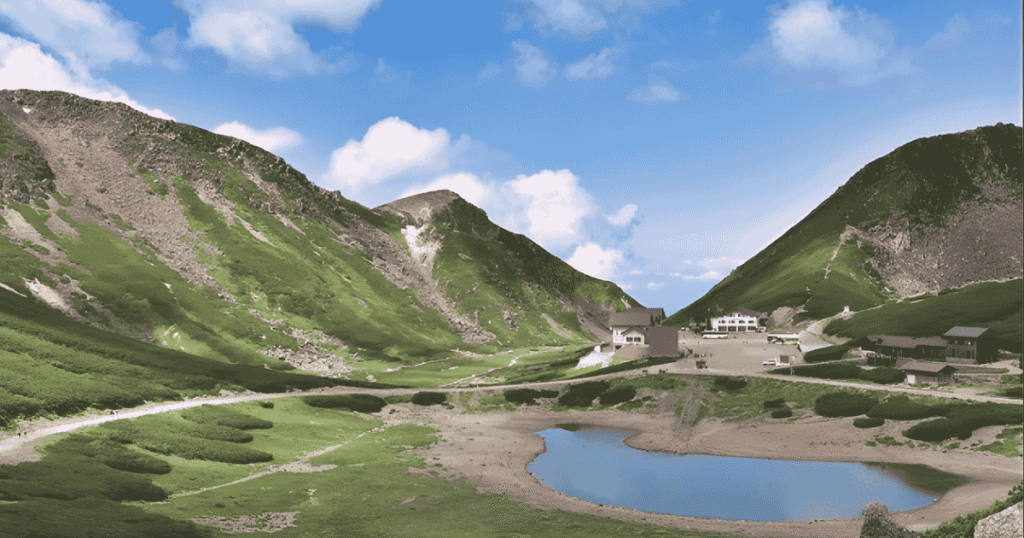
Day 5 is an unforgettable journey above the clouds as you travel up the Norikura Skyline, one of the highest roads in Japan. Whether you choose to hike toward the 3,026-meter summit or enjoy a relaxing stroll through alpine flower fields at Tatamidaira, you will experience the breathtaking scale of the Japan Alps before returning to your central Takayama hotel for your final night in the city.
A Road into the Sky
The Norikura Skyline is a famous mountain road that takes you up to 2,702 meters at “Tatamidaira.” From there, you can hike toward the summit of Mt. Norikura (3,026 meters). It is one of the highest roads in Japan, making it a popular spot to escape the summer heat.
Nature and Wildlife
Even in early summer, you can still see snow near the top. If you are lucky, you might see the Raicho (Rock Ptarmigan), a rare bird from the Ice Age. They often appear when it is misty to hide from predators. The area is also famous for its beautiful alpine flowers.
Hiking for Everyone
Don’t worry if you are not a professional climber! There are easy 30-minute walking paths around Tatamidaira. It is perfect for children or anyone who wants a relaxing stroll with a great view.
Travel Info (2026 Season)
| Segment | Transport | Time | Fare (Round Trip) |
|---|---|---|---|
| Takayama → Hoonoki-daira | Local Bus | 45 mins | 5,700 yen(Total Set Fare) |
| Hoonoki-daira → Tatamidaira | Shuttle Bus | 60 mins | |
| Tatamidaira → Summit | Hiking | 90 mins (one way) | Free |
- Open Period: Mid-May – Late October (Private cars are strictly prohibited).
- Hiking Level: Beginner to Intermediate (Easy walking paths also available around Tatamidaira).
- Note: Private cars are not allowed to protect nature. You must use the bus, a taxi, or a bicycle.
Winter Backup Plan: Shinhotaka Ropeway
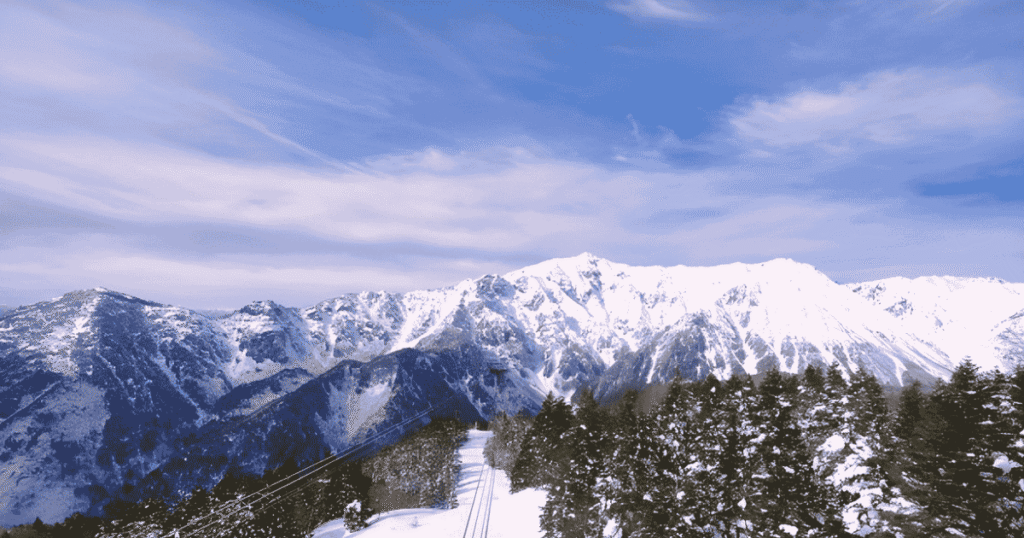
If Mt. Norikura is closed during your visit, don’t worry! You can visit the Shinhotaka Ropeway.
| Feature | Details |
|---|---|
| Max Altitude | 2,156 meters (Above the clouds) |
| Ropeway Type | Rare double-decker gondola |
| Access | 90 mins by bus from Nohi Bus Center |
| Fare | 2,200 yen (One way) |
Day 6: World Heritage Village (Shirakawa-go)
Day 6 is a journey into the heart of a World Heritage site, famous for its iconic “Gassho-style” houses that have withstood heavy snow for centuries. After spending the day capturing the seasonal beauty of the village—from the reflecting rice fields of spring to the golden hues of autumn—you will escape the daytime crowds to stay overnight in a traditional thatched-roof farmhouse, experiencing the profound silence and local “heartbeat” that only overnight guests can feel.
The Wisdom of the Gassho-style Houses
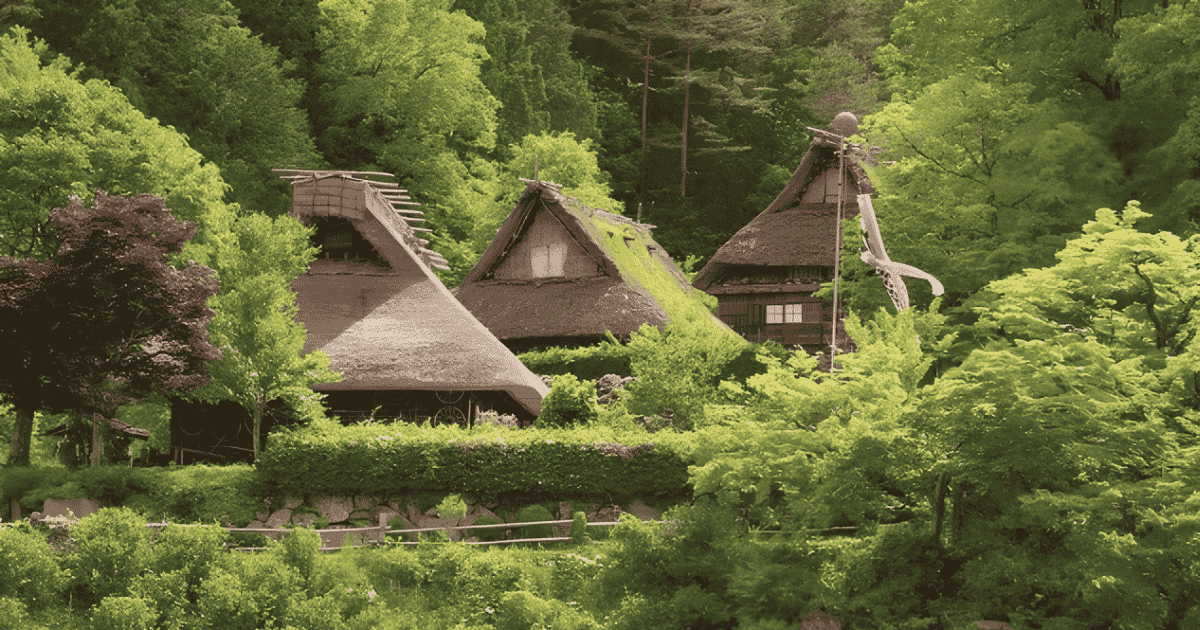
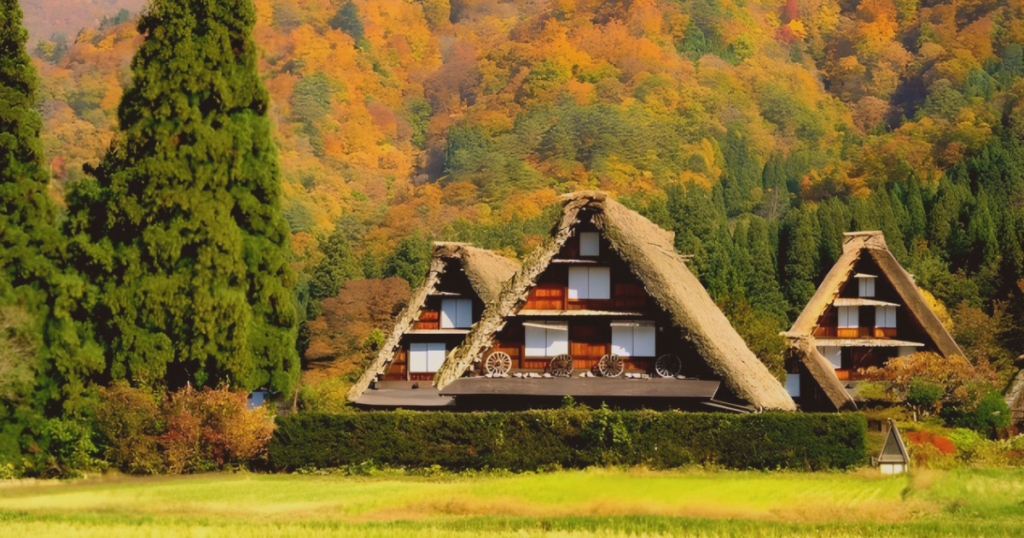
Take a bus to Shirakawa-go. This village is famous for its unique “Gassho-style” houses with steep thatched roofs. They were designed this way to withstand the incredibly heavy snowfall of this region. While the snowy winter view is world-famous, each season offers a different, breathtaking beauty.
Four Seasons of Shirakawa-go
- Spring (Mid-May): Look for “Sakasa-Gassho.” This is when the houses are reflected in the water of the rice fields just before planting. It is a perfect moment for photography.
- Summer (Late June – July): At night, you can see magical fireflies dancing near the rice fields and canals. In September, the rice fields turn a beautiful golden color before the harvest.
- Autumn (Late October – Early November): The autumn colors are spectacular. I still remember driving through a “tunnel of red leaves” near the village. The fallen leaves covered the road like a colorful carpet—it is a memory I will never forget.
Stay Overnight
To truly experience the heart of the village, we highly recommend staying in a traditional Gassho-style house. After 5:00 PM, the day-trip tourists leave, and the village becomes incredibly quiet. This is the only time you can hear the true “heartbeat” of this peaceful place.
Travel Info
- Access: Take a bus from Nohi Bus Center in Takayama.
- Travel Time: Approx. 1 hour.
- Fare: 2,800 yen (one way).
Where to Experience the “Heartbeat” of the Village:
Shirakawa-go (You can easily find and book these traditional inns on the official Shirakawa-go website).
Day 7: Early Morning Satoyama Discovery
Experience the Silence
Wake up early and take a walk through the village. Even in Shirakawa-go, which is usually busy with tourists, the early morning is perfectly quiet. Listen closely—you can hear the beautiful songs of birds and the gentle sound of the river. This is the best time to feel the peaceful soul of the Japanese countryside.
Departure and Your Next Adventure
After breakfast, it is time to head to your next destination.
- Option 1: Return to Takayama Take a bus back to Takayama City in the morning. From there, you can continue your journey to other parts of Japan.
- Option 2: Direct to Other Cities If you book an express bus in advance, you can travel directly from Shirakawa-go to other famous cities like Nagoya, Kanazawa, or Toyama. This is a very efficient way to save time!
3. Nightlife in Takayama
Experience the vibe of Dekonaru-yokocho via @trip360japan.
Takayama is a mountain town, but it has a very lively nightlife thanks to its long history of sake brewing. On the other side of the river from the Old Town (near Asahimachi and Suehirocho), you will find many restaurants and bars.
How to Find a Good Local Spot
If a restaurant is full of local people, it is usually a great place to eat. Look for shops on the first floor with a Noren at the entrance. A Noren is a traditional Japanese fabric curtain with the shop’s logo. It acts as a sign and shows that the restaurant is open. Don’t be afraid—step inside and enjoy the local atmosphere!
Dekonaru Yokocho (Food Alley)
If you feel a little nervous about entering a small local bar alone, head to Dekonaru Yokocho. This is an area filled with many small food stalls (Yatai). You’ll find everything from local snacks to traditional carnival games like “Shateki” (cork gun shooting), where you can win prizes ranging from local sake to even RC cars!
Vegetarian and Local Options
Takayama is also becoming very friendly for vegetarians:
- Heianraku: This Chinese restaurant is world-famous among travelers. They offer many delicious vegetarian dishes and are known for their incredibly friendly service.
- Suzuya: A great choice for groups! They serve famous Hida Beef for meat lovers, but they also have many traditional vegetarian options. It’s a perfect place to try “Hoba Miso” (miso grilled on a leaf).
4. FAQ
Q: What is the difference between “Takayama” and “Hida Takayama”?
A: They are the same place! “Takayama” is the name of the city. “Hida” is the name of the region in northern Gifu Prefecture. People often call it “Hida Takayama” to distinguish it from other places with the name Takayama. In this blog, we suggest using Takayama City as your “base camp” to explore the whole Hida region.
Q: How many days should I spend in Takayama?
A: It depends on your travel goals. Because Takayama is nestled deep in the Japan Alps, traveling here from Tokyo or Osaka takes roughly 4 to 5 hours. Therefore, you need at least two days (one night). However, if you want to enjoy the unique culture, nature, and food of this area, we recommend staying for one week. Please use this 7-day guide to create a plan that fits your interests!
Q: Is Takayama worth visiting?
A: Yes! While Japan has many “old towns,” Takayama is special. It isn’t just about the buildings; it is about the experience. You can see massive festival floats at the Yatai Kaikan, visit Takayama Jinya (the only remaining government office from the samurai era), and enjoy sake tasting at seven different breweries. There is always something new to discover here. For more details, see: [Hida Takayama Old Street & Town: Ultimate Guide by a 5-Year Local].
Q: What can I do in Takayama in just one day?
A: If you only have one day, most people visit the Old Town and Takayama Jinya. However, Takayama is also famous for its great nature. If you love the outdoors, you can easily access the Japan Alps (3,000-meter mountains) via the Norikura Skyline or the Shinhotaka Ropeway. For a quieter experience, the “hidden” Goshikigahara Forest or the local Onsen (hot springs) are also highly recommended.
Conclusion: Start Your Journey to Hida
The Hida region is a truly special part of Japan. Here, you can find deep history in the Old Town, incredible nature in the Japan Alps, and the warm hearts of the local people in Takayama and Shirakawa-go.
Whether you are cycling through the countryside, tasting local sake, or relaxing in an onsen, we hope this 7-day itinerary helps you create wonderful memories. Japan is big, but if you spend time here in Hida, you will see the very best of it.