Based on my extensive experience visiting Kamakura and Enoshima over the years, I have analyzed the 2026 pricing updates for the local Freepass. Rather than just looking at the numbers, I’ve compared these costs against the actual travel patterns I’ve observed from dozens of trips to the Shonan coast.
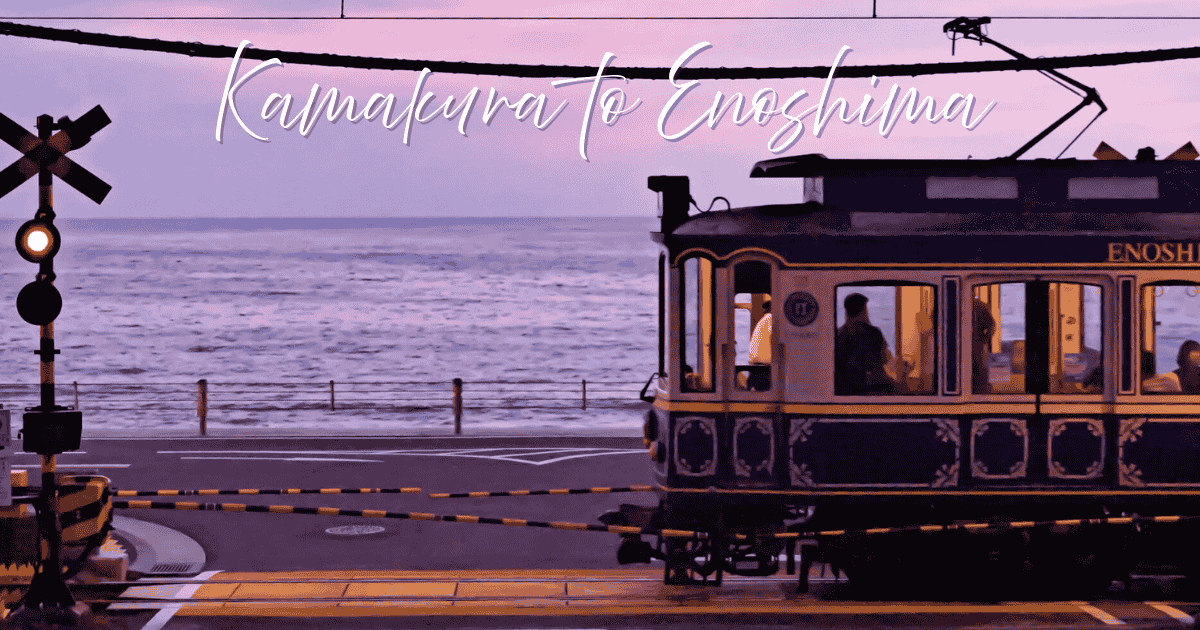
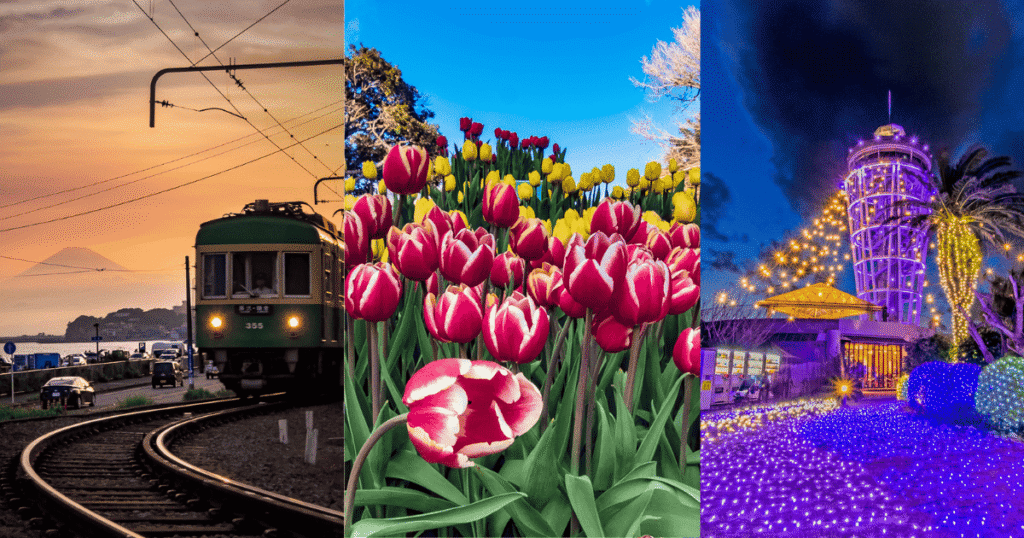
My analysis shows that the true value of the pass lies in its flexibility for unplanned moments—like when you’re on the Enoden and suddenly see the sun-drenched, sparkling ocean through the window near Shichirigahama. The view is so mesmerizing that you may want to hop off on a whim, even if it wasn’t in your plan. In this guide, I’ll share my professional insight into whether the actual savings align with a realistic tourist’s pace in 2026 and how this stress-free freedom transforms a simple trip into an unforgettable memory.
Table of Contents
Toggle1. What is the Enoshima-Kamakura Freepass?
The Enoshima-Kamakura Freepass is an all-in-one ticket issued by Odakyu Electric Railway. Specifically, it was made for people visiting Enoshima from Tokyo.
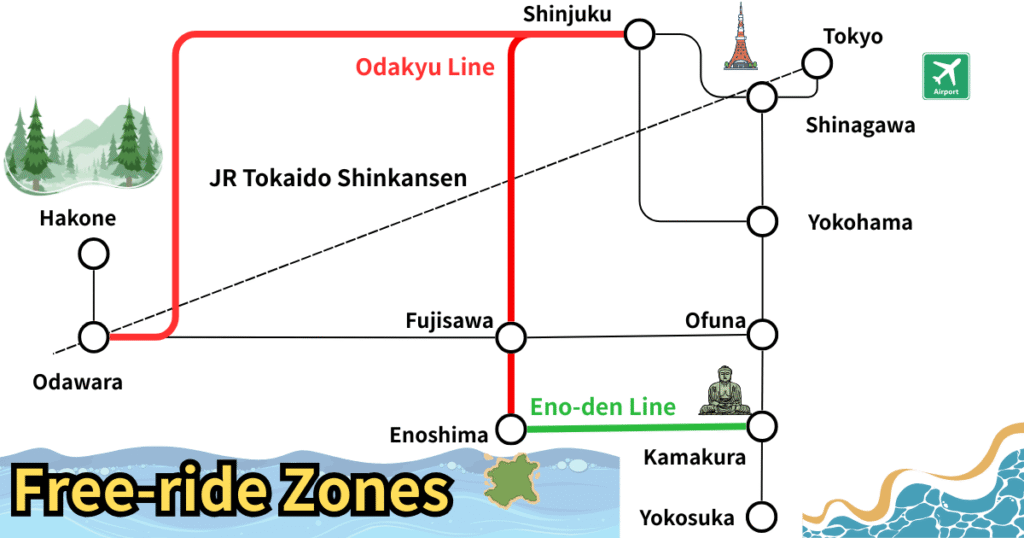
Areas Covered by the 1-Day Pass (Free-ride Zones)
The pass stays valid for one day and covers all your essential transport needs along the coast. It includes a round-trip from Odakyu stations (like Shinjuku) to Fujisawa, plus unlimited rides on the Odakyu Line between Fujisawa and Katase-Enoshima. The highlight for most is the unlimited access to the scenic Enoden Line, which connects all the major temples and photo spots. Even if you arrive via JR at Kamakura Station, activating a Digital Pass allows you to jump right onto the Enoden and start using local shop perks immediately. (Enoshima-Kamakura Freepass)
Types of Passes and Validity (Digital vs. Physical)
You can choose between a classic paper ticket or a digital version. If you want to skip the ticket machine queues entirely, the digital option is a game-changer for a smoother morning start.
| Pass Type | How to Purchase | How to Use |
|---|---|---|
| Digital Pass | Use EMot App | Scan QR code |
| Physical Pass | Station Machine | Use the gate |
In short, both passes offer the same one-day coverage.
2. Is the Enoshima-Kamakura Freepass Worth It? 2026 Financial Analysis
Most people ask, “Kamakura enoshima pass worth it?” Clearly, for a full day of fun, this pass offers great value.
Current Pricing for the Enoshima-Kamakura Freepass (2026)
I’ve updated the pricing table below to reflect the official 2026 rates confirmed by the Odakyu Official Site. The cost depends on your starting station:
- Shinjuku Station: ¥1,640 (Adult) / ¥430 (Child)
- Machida Station: ¥1,180 (Adult) / ¥430 (Child)
- Odawara Station: ¥1,930 (Adult) / ¥430 (Child)
- Fujisawa Station: ¥810 (Adult) / ¥410 (Child)
While these are the current standard fares for 2026, I always recommend checking the EMot app on your travel morning for any last-minute seasonal adjustments or railway updates.
Cost Breakdown: Freepass vs. Individual Tickets
Let’s compare the costs for a trip from Shinjuku. Usually, individual tickets cost about ¥2,620. With the Freepass priced at just ¥1,640, you’re looking at an easy saving of roughly ¥980. Essentially, the pass pays for itself the moment you hop on the Enoden line for your second or third stop.
Who Should NOT Buy This Pass? (Crucial Caveat)
However, you should skip the Freepass in certain cases. First, if you only visit Enoshima Island on foot, the cost might not be justified. Second, the pass is not useful if you are driving. (Note: For JR Pass holders, see the FAQ section below.)
Planning your trip? > To see how these savings work in a real-world scenario, check out our Kamakura & Enoshima One Day Itinerary. We’ve mapped out the optimized route from morning to sunset to help you get the most out of your Freepass.
3. How to Buy and Use the Enoshima-Kamakura Freepass
Where to Buy the Enoshima-Kamakura Freepass
Beyond the major hubs like Shinjuku Station, you can bypass the queues by purchasing a digital pass directly through the EMot app. This allows you to buy your ticket in just minutes, even right before boarding.
Step-by-Step Guide for Using the Digital Pass
The digital option is perfect for international guests. To start, download the EMot App and purchase your pass. On the day of travel, activate the pass within the app. When you reach the gate, just look for the blue reader and scan your QR code. It’s incredibly convenient—your phone handles everything, so you don’t have to worry about losing a tiny paper ticket.
4. Maximize Your Savings: Discounted Perks
One of the great bonuses of the Freepass is the range of discounts it offers. These perks help you save money on sightseeing expenses.
Top 5 Discounted Facilities (Enoshima Sea Candle, Escar, etc.)
Presenting your pass will grant you discounts at several major sites:
- Enoshima Sea Candle (Observation Lighthouse): 10% off the admission fee.
- Enoshima Escar: 10% off the ticket for the outdoor escalators.
- Enoshima Iwaya Caves: 10% off the admission fee.
- Shin-Enoshima Aquarium: Discount on the admission fee.
- Hasedera Temple (Kamakura): Presenting the pass grants a commemorative gift.
Exclusive Bonus: Finding Affiliated Dining Discounts
While many facilities offer perks, it’s crucial to prioritize those that align with your sightseeing itinerary. We’ve filtered the official list to highlight the best value experiences:
- The Coastal View Perk: Look for the 5% discount at popular Amalfi brand cafes, such as Amalfi Della Sera or Amalfi UNO. These are official partners. They are located right along the scenic Enoden route between Hase and Enoshima. Stopping for dessert here perfectly breaks up your temple-to-beach itinerary.
- The Free Drink Bonus: Some specialized grill/izakaya spots (like Isaki) offer a free drink upon presenting the pass. This is excellent value if you plan on having an early dinner near Enoshima Station before heading back to Tokyo. You can find the full, updated list of participating stores on the Odakyu Official Partner Page. Please note that while this specific source is currently only available in Japanese, I have verified that these top picks are consistent for 2026. As a local tip, I recommend confirming the discount with the staff before ordering, as terms—such as “cash only”—can sometimes change.
5. Recommended Itineraries: Choosing the Right Pass for Your Route
The best pass for your trip depends on your starting point. Here is how to optimize your itinerary using either the Enoshima-Kamakura Freepass or the Enoden 1-Day Pass (Noriorikun).
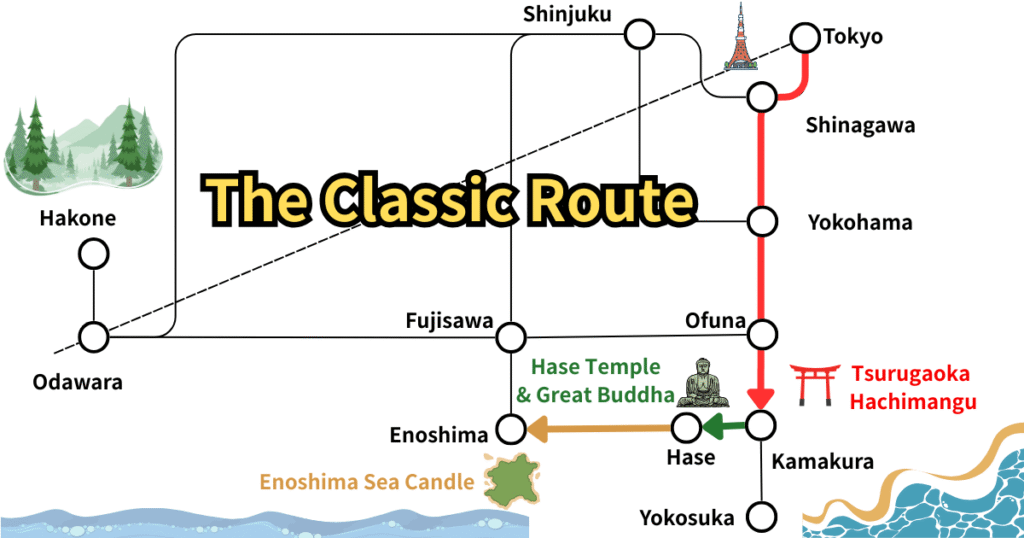
The Classic Route: Tokyo → Kamakura Temple Tour → Enoshima Sunset
This is the most efficient itinerary for those taking the JR line directly from Tokyo Station to Kamakura.
Recommended Pass: Enoden 1-Day Pass (Noriorikun)
Cost: ¥800 (Adult) / ¥400 (Child)
Morning (8:00 AM – 12:00 PM): Travel from JR Tokyo Station directly to Kamakura Station. Upon arrival, purchase the Noriorikun pass at the Enoden Kamakura Station vending machine, or have it ready on the EMot app to skip the lines. Start your day by visiting Tsurugaoka Hachimangu Shrine and exploring the historic Komachi Dori street.
Mid-day (12:00 PM – 3:00 PM): Use your Noriorikun pass to hop on the Enoden to Hase Station. Visit the Kotoku-in Temple (Great Buddha) and Hasedera Temple. The beauty of this pass is that you can get off at any station along the way if a seaside cafe catches your eye.
Afternoon/Evening (3:00 PM – 7:00 PM): Continue on the Enoden to Enoshima Station. Cross the bridge to explore the island and enjoy the sunset at the Enoshima Sea Candle. After the tour, you can head to Fujisawa Station via Enoden and catch the JR line back to Tokyo.
Is the Noriorikun Pass truly worth it? If you only take the three basic trips for this route (Kamakura → Hase → Enoshima → Fujisawa), the total individual fare is ¥680. While this is ¥120 cheaper than the pass, I still recommend the ¥800 Noriorikun. The extra ¥120 pays for itself through the exclusive perks available throughout the day, such as a commemorative gift at Hasedera Temple, and discounts at the Enoshima Sea Candle and Shin-Enoshima Aquarium. The convenience of unlimited rides also adds a layer of freedom to your journey that individual tickets simply can’t match.
The Niche Route: Enoden Coastal Cafe & Fuji View Trip
This itinerary is perfect for repeat visitors or those prioritizing scenic views:
- Morning: Travel to Fujisawa Station and start immediately on the Enoden line.
- Mid-day: Stop at Kamakura-Kōkō-Mae Station and Shichirigahama Station. Visit a coastal cafe and use your free-ride zone access to search for the best shirasu (whitebait) lunch.
- Afternoon: Explore Enoshima Island’s paths and use your pass for the Enoshima Escar. Focus on the Chigogafuchi Abyss area for a clear Mt. Fuji view.
Expert’s Calendar: Must-See Seasonal Events
Beyond the general seasons mentioned above, here are the specific dates and festivals I personally recommend for the most authentic experience:
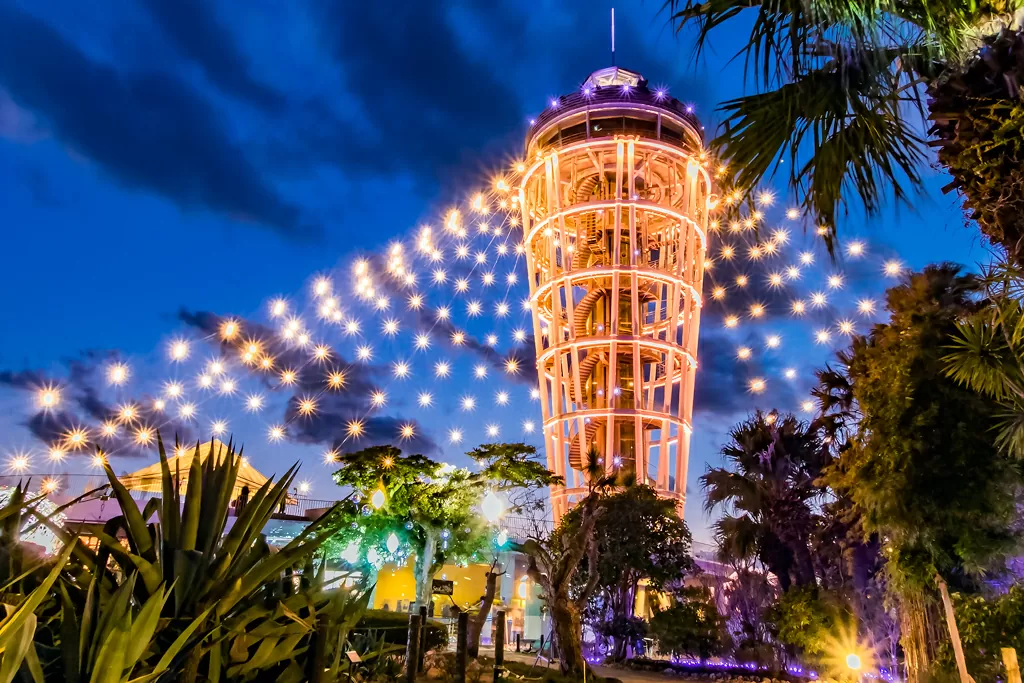
- Lighting Event Periods (Summer & Winter): Enoshima holds large-scale lighting events. If you visit then, we strongly recommend allocating your late afternoon and evening to Enoshima to enjoy the “Shonan no Hoseki.”
- New Year’s to Pre-Cherry Blossom (Jan – Early March): This period is generally less crowded. We recommend enjoying Tsurugaoka Hachimangu’s Peonies and taking a rickshaw ride.
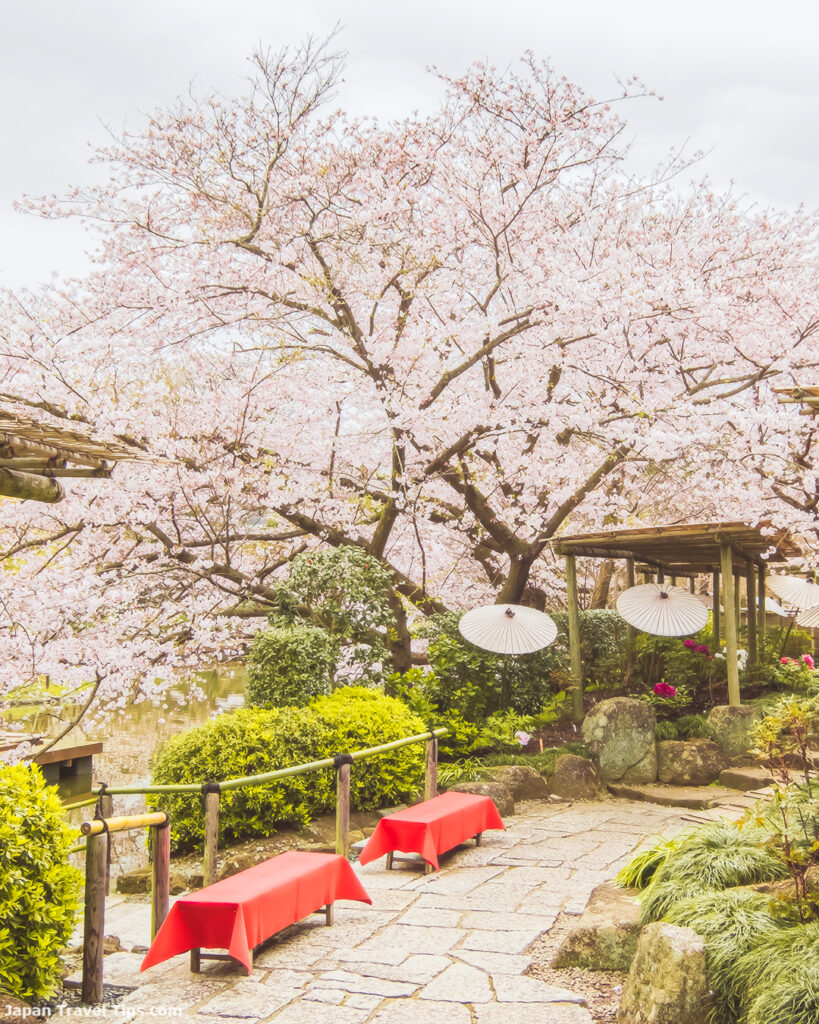
- Cherry Blossom Season (Late March – Early April): Center your itinerary around spots like Tsurugaoka Hachimangu, Komyo-ji Temple, or Kenchō-ji Temple in Kita-Kamakura.
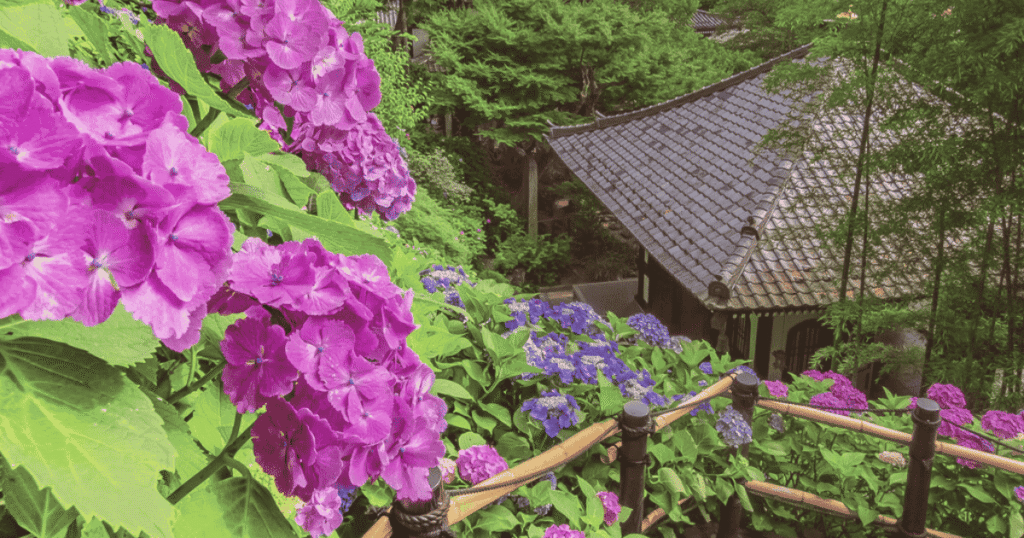
- Hydrangea Season (June): Hydrangeas (Ajisai) are the focus. Allocate time to Meigetsu-in Temple and Hasedera Temple. Enjoy the scenery even if it rains.
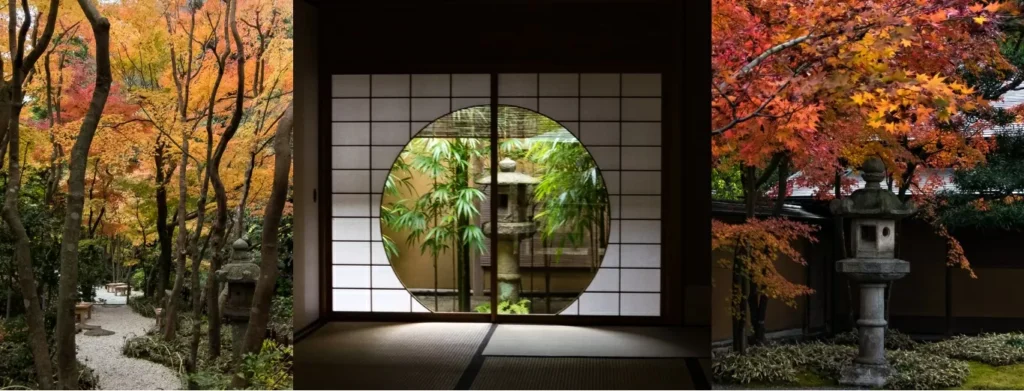
- Autumn Foliage (Late Nov – Early Dec): Focus on the temples with the best autumn colors from Kita-Kamakura to the Hase district. Our top picks are Hokoku-ji, Ichijo Ekan Sanso, and Kakuon-ji.
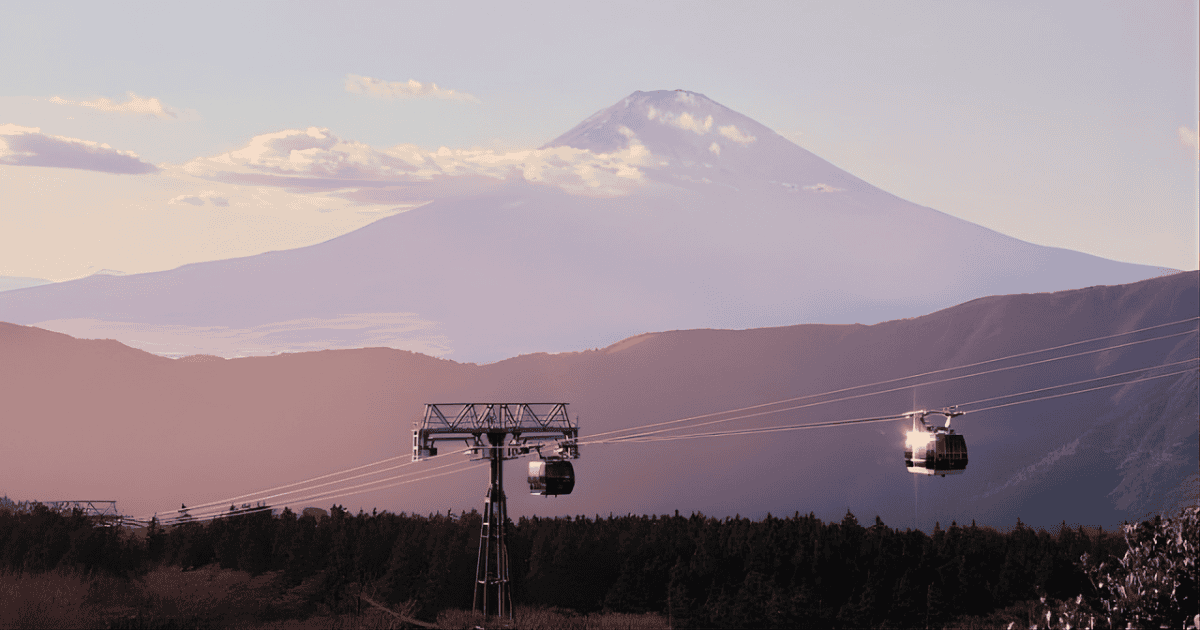
- Winter Mt. Fuji Views (Dec – March): The air is clear and dry. This offers the most pristine views of Mt. Fuji topped with snow. Spend extra time along the coast from Shichirigahama.
- Early Summer (Late June): The Great Purification at Tsurugaoka Hachimangu.
Summer (July–Aug): Tanabata (July 7) and the Bonbori Festival (Aug 7–9).
The "Zen-Trip" Way: My Personal Best 1-Day Itinerary
While the routes above are efficient for transportation, the following is my personally perfected itinerary. As someone who has walked these paths countless times, I’ve designed this route to balance iconic sights with “reset” moments and hidden seasonal events.
How to Use This Guide: Benefit Icons
To help you save money, I have marked facilities where you can get discounts or special gifts:
- [O] = Benefits available with the Odakyu Enoshima-Kamakura Free Pass
[E] = Benefits available with the Enoden 1-Day Pass “Noriorikun” (Note: Most major spots accept both, but some local shops may vary!)
Morning: Enoshima Icons & Local Flavors (9:00 AM – 12:30 PM)
- 09:00 Enoshima Aquarium [O][E]: Start early to avoid the midday crowds.
- 10:30 Enoshima Sea Candle [O][E]: Ascend for the views.
- 💡 Local’s Hack: While climbing the island, don’t miss the “Giant Octopus Cracker“. It’s the quintessential Enoshima snack!
Note: Allow 30 mins to walk to the top and 10 mins to transfer between Katase-Enoshima and Enoshima Stations.
Lunch: The Strategic Reset (13:30 PM)
13:30 iL-CHIANTI BEACHE [O][E]: Don’t just eat; reset your energy. This seaside Italian spot is my go-to for recharging before heading to Kamakura.
Afternoon: Selective Immersion (From 15:30 PM)
Instead of rushing through every temple, I recommend focusing on one area based on the season.
- Option A: The Hase Experience: Get off at Hase Station for Hasedera [O][E].
- Crucial: For hydrangea season, advance reservations are mandatory.
- Option B: The Kamakura Core: Head to Kamakura Station (Final Stop).
- Tsurugaoka Hachimangu: Follow my “Seasonal Selection” below.
- Avoid the Crowds: Use the Dankazura (raised stone path) to reach the shrine. It’s much faster and more scenic than the packed Komachi-dori.
Eisho-ji Temple: Visit only in late Sept (Red Spider Lilies) or late April (Wisteria). Otherwise, I suggest prioritizing other temples.
6. The Kamakura Local Bus Pass: Ideal for Dedicated Temple Visits
If your goal is to deep-dive into the historical temples of Kamakura and you plan to skip Enoshima, the “Kamakura Free Loop Ticket” is a far better option. This local pass is perfect for navigating the network of temples primarily accessible by bus routes departing from Kamakura Station. Source: Kamakura City Official Site (Navigate via: City TOP Page > Menu > Select Language (English) > Living, Environment > Traffic > Kamakura Free Environment Draft.)
Financial Benefits of the Kamakura Free Loop Ticket
This ticket provides significant savings when visiting multiple sites via bus:
- Kamakura Station to Hōkoku-ji Temple (Round Trip): ¥480
- Kamakura Station to Kōtoku-in Temple (Round Trip): ¥420
- Kamakura Station to Kita-Kamakura (One Way): ¥250
- Total Individual Fare: ¥1,150. Compared to the ¥900 cost of the pass, you save ¥250. Savings accumulate quickly with continued use of buses and the Enoden between Kamakura and Hase.
Exclusive Perks and Discounts
Beyond the transport savings, this ticket includes a variety of exclusive perks, such as:
- Commemorative Gifts at certain temples upon presenting the pass.
- Discounts at local museums and affiliated restaurants.
Expert Bus Guide: Reaching the "Sanctuaries"
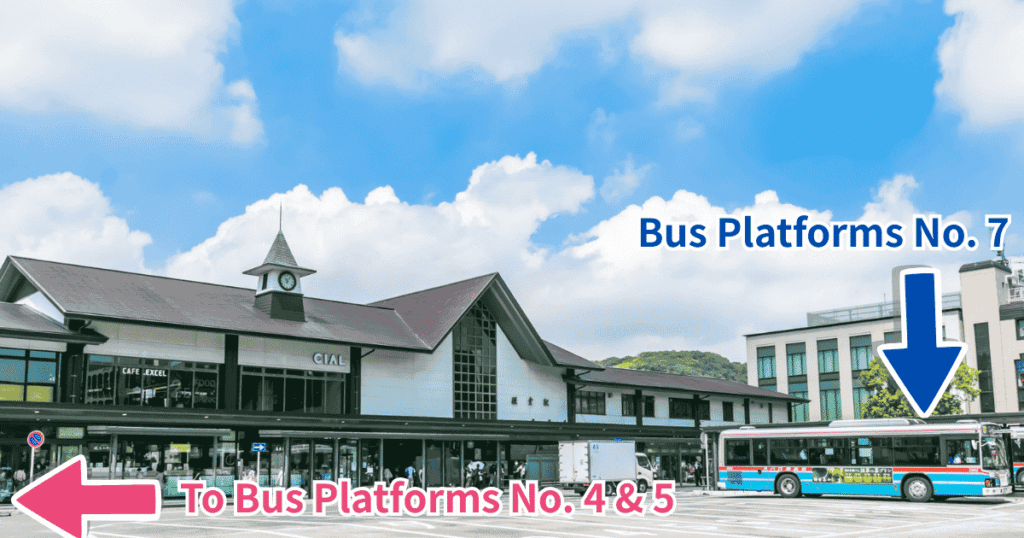
If you choose the Kamakura Local Bus Pass, use it to reach these specific temples that I consider the most beautiful in the region.
| My Top Selection | Bus Stop (East Exit) | Bus Route | Best Time |
|---|---|---|---|
| Hokoku-ji & Ichijo Ekan Sanso | No. 4 | KAMA 23, 24, 36 | Early Dec (Foliage) |
| Kakuon-ji | No. 5 | KAMA 20 | Early Dec (Foliage) |
| Komyo-ji | No. 7 | KAMA 40 | Late Mar / Late July |
7. Navigating Beyond the Pass: The Kita-Kamakura Special
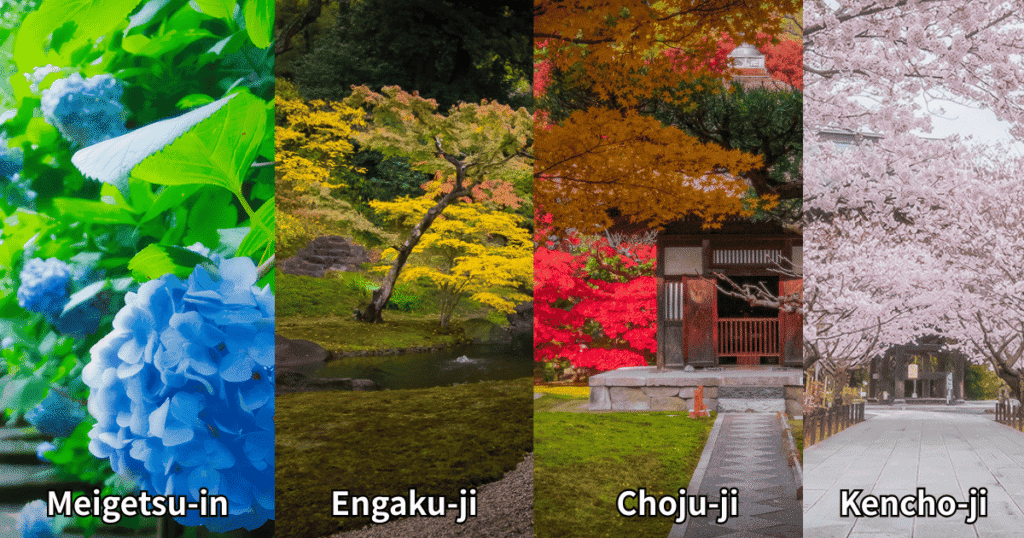
The Hidden Beauty of Kita-Kamakura (One Stop Beyond)
Kita-Kamakura is not covered by the Odakyu Free Pass, but for a mere ¥160 (via JR), you can access these distinct experiences:
- Engaku-ji: Tea with a snow-capped Mt. Fuji view (Early Dec).
- Choju-ji: A secret garden of red maples and green moss (Early Dec).
- Meigetsu-in: The iconic “Meigetsu-in Blue” hydrangeas (Late June).
- Kencho-ji: A majestic tunnel of cherry blossoms (Late March).
Jochi-ji: A mystical, mossy entrance with a golden Ginkgo tree (Late Nov).
8. Conclusion: Selecting the Optimal Pass
When finalizing your Kamakura-Enoshima travel budget, the choice should align with your itinerary’s primary goal.
| Goal | Recommended Pass | Key Advantage |
|---|---|---|
| Full Day Sightseeing (Kamakura → Enoshima Coast) | Enoshima-Kamakura Freepass (¥810 - ¥1,640~) | Maximum Value: Covers round trip from Tokyo and unlimited Enoden access. |
| Kamakura Temple Deep Dive (Skipping Enoshima) | Kamakura Free Loop Ticket (¥900) | Cost-Effective Local Access: Provides unlimited bus and Enoden access within the temple zone. |
| Using a JR Pass (Tokyo to Kamakura covered) | Enoden 1-Day Pass (Noriorikun) (¥800) | Best Complement: Covers unlimited local Enoden rides without duplicating long-distance coverage. |
If you plan to visit both the temples and the island, the Enoshima-Kamakura Freepass is the most cost-effective single ticket.
Next Steps to Finalize Your Itinerary
9. FAQ: Common Questions on the Freepass
Can I use the JR Pass?
The Enoshima-Kamakura Freepass is an Odakyu Railway product and is not covered by the Japan Rail Pass. If you are already using a JR Pass to reach Kamakura, it is more economical to simply purchase the Enoden 1-Day Pass (Noriorikun) for ¥800 to cover your local coastal travel.
Can I Use a Suica/IC Card Instead? (Value Comparison)
Yes, you can use a Suica or PASMO for all trains. However, an IC Card only charges the standard fare for each ride. It does not provide the unlimited riding benefit or the facility discounts. Therefore, the Freepass is the economical choice for a full day of sightseeing.
Is the enoshima-kamakura free pass worth it if I stay in Yokohama?
Yes, it’s a smart choice for a coastal day trip. Since you cannot buy the Odakyu Freepass at JR Kamakura Station, the best strategy is to take the JR line from Yokohama to Fujisawa Station first. Once there, head to the Odakyu Line ticket machines or the service counter to purchase the ¥810 version of the pass. This covers all your Enoden rides and provides discounts at Enoshima’s top attractions. Even with the initial JR fare, the convenience of unlimited coastal travel makes it the most cost-effective way to see the area without constant fare calculations.