Are you planning a day trip to the historical city of Kamakura and the scenic Shonan Coast’s Enoshima Island from Tokyo? Combining both in a single day is ambitious, but it is entirely possible with the right strategy. This guide provides an optimized Kamakura and Enoshima in one day itinerary for efficiently visiting the must-see spots. We focus on maximizing your time using the Enoshima 1-day combination ticket (officially called the Enoshima-Kamakura Freepass) to ensure a smooth and unforgettable day.
Table of Contents
Toggle1. Essential Preparation: Best Transport for your Kamakura & Enoshima Trip
To efficiently navigate Kamakura and Enoshima in a single day, leveraging a travel pass is essential. This is because it helps to minimize costs and simplify your transfers.
The Enoshima 1-Day Combination Ticket
For visitors traveling from Shinjuku for a one-day round trip, the Enoshima-Kamakura Freepass is the most rational choice. It bundles the round-trip fare with unlimited local rides on the Enoden line and access around Enoshima Island.
For the precise cost breakdown, ticket comparisons (vs. JR Pass/Suica), and detailed conditions on when the pass is worth the money, please refer to our dedicated guide: Enoshima Kamakura Free Pass: Is It Worth It?
Alternative Passes for your Kamakura Trip
JR Pass Holders: If you possess a JR Pass, we advise purchasing the separate Enoden 1-Day Pass (Noriorikun) for local rides. This covers the local coastal line, as your JR Pass already includes access to Fujisawa and Kamakura stations.
2. The Perfect Kamakura & Enoshima 1-Day Itinerary (Step-by-Step)
Choosing Your Departure Time for a Kamakura Day Trip
While this itinerary suggests an 8:00 AM departure from Tokyo, we recommend leaving between 6:30 AM and 7:00 AM to beat the crowds and ensure maximum efficiency. Arriving around 8:00 AM to 8:30 AM (when many temples open) allows you to visit major spots like the Great Buddha and Hasedera during less crowded and peaceful hours.
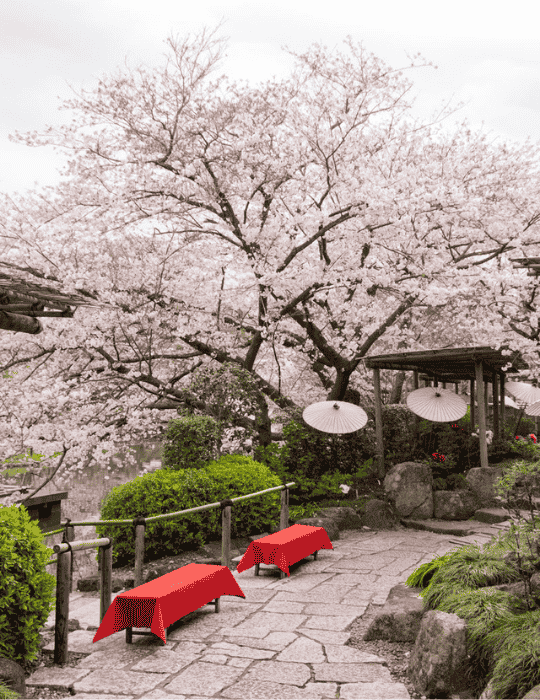
Morning Focus: Kamakura’s Historic Icons (8:00 AM – 12:30 PM)
- 8:00 AM: Departure. Depart from Shinjuku Station via the Odakyu Line (Rapid Express for Fujisawa).
- 9:30 AM: Transfer at Fujisawa. Change to the Enoden Line.
- 10:00 AM: Kamakura City Center. Arrive at Kamakura Station. Walk down Komachi Dori and visit Tsurugaoka Hachimangu Shrine.
- 11:45 AM: To Hase. Take the Enoden to Hase Station.
- 12:30 PM: Visit the Great Buddha (Kotoku-in) and Hasedera Temple.
The Scenic Enoden Ride: Best Coastal Photo Spots in Kamakura
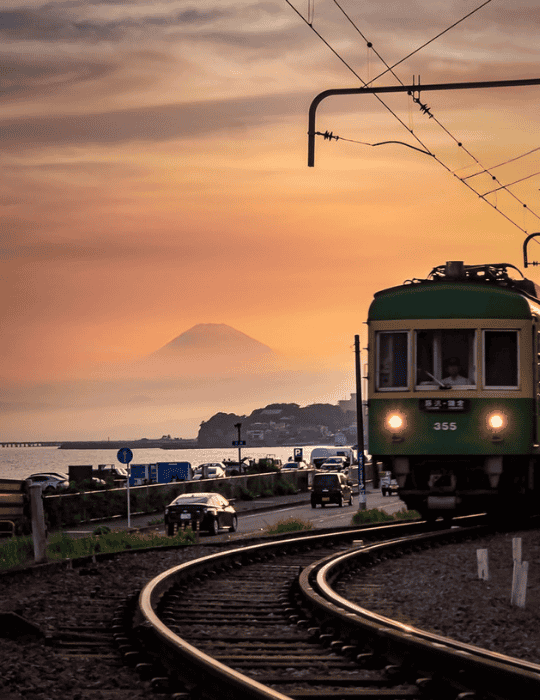
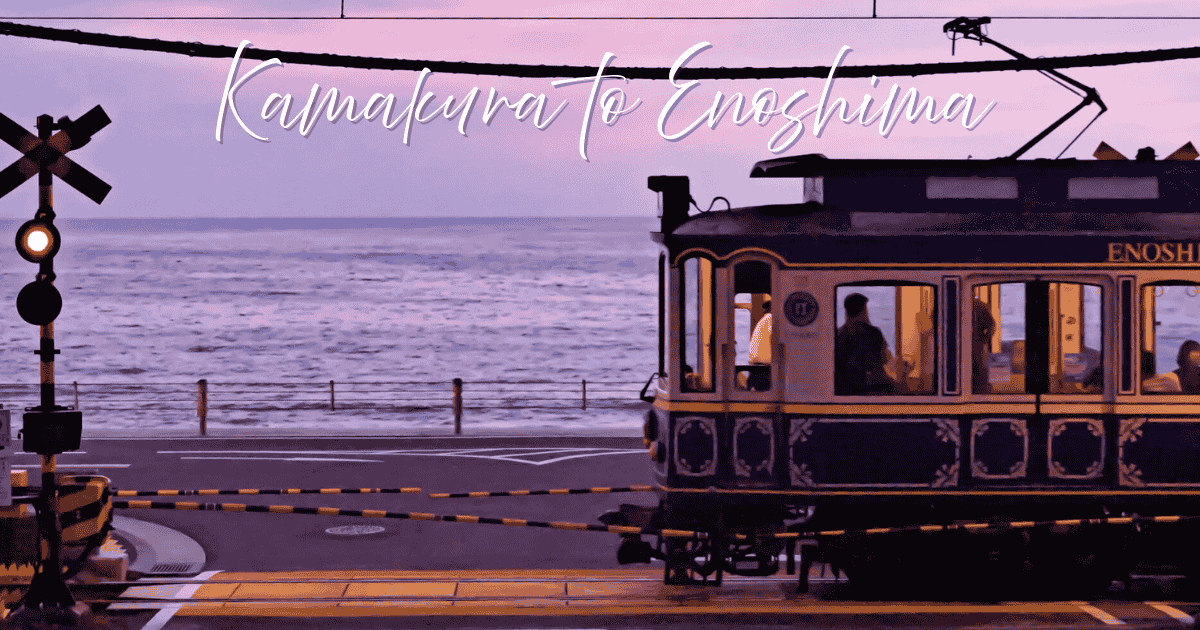
Riding the Enoden Line is a highlight of the trip, offering iconic coastal views and unique photo opportunities. Photo Hotspots: Beyond the famous Kamakura-Kōkō-Mae crossing, you should check out the unique street-running section near Enoshima Station (Ryūkōji Temple). Also, look for the coastal views near Shichirigahama or Inamuragasaki Station. For detailed guidance on the best Enoden photography spots and tips on when to shoot, visit: Can You See Mt. Fuji From Kamakura? Best Viewpoints Guide
Afternoon & Sunset: Enoshima Island Exploration (2:30 PM Onwards)
- 2:30 PM: Head to the Coast. Take the Enoden to Enoshima Station. Walk across the bridge to the island.
- 3:30 PM: Ascend the Island. While the Enoshima Escar is available (with a Freepass discount), we recommend walking up the stairs to soak in the island’s historical atmosphere. Explore the shrines and the Iwaya Caves.
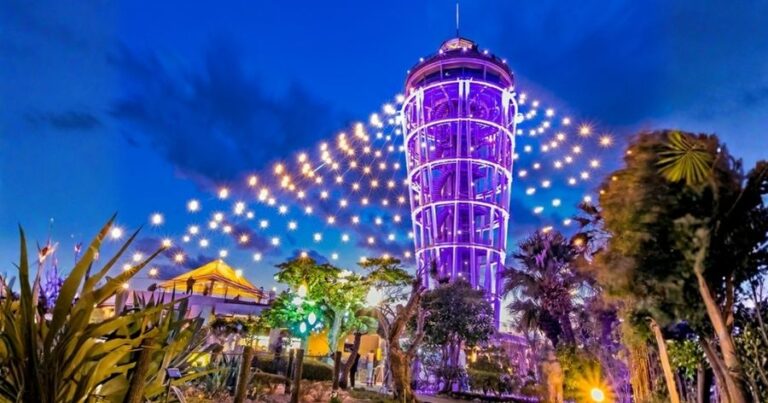
- 5:00 PM: Sunset Views. Head to the Enoshima Sea Candle observatory. For the best time to see Mount Fuji and specific viewpoint locations, consult our specialized guide: Can You See Mt. Fuji From Kamakura? Best Viewpoints Guide
- 6:30 PM: Departure. Adjust your timing if you plan to stay for the seasonal night lighting.
- For detailed information on the summer and winter illumination schedules and events, see Enoshima Seasonal Events Guide (Summer & Winter).
- Official Web Site: Winter Event 2025 – 2026 (Japanese Only)
- Official Web Site: Summer Event 2025 (Japanese Only)
3. Maximize Your Day: Seasonal Routes and Hidden Gems
Kamakura & Enoshima Seasonal Secrets: Flowers, Foliage, and Events
Adjust your Kamakura day trip itinerary based on the season’s highlights:
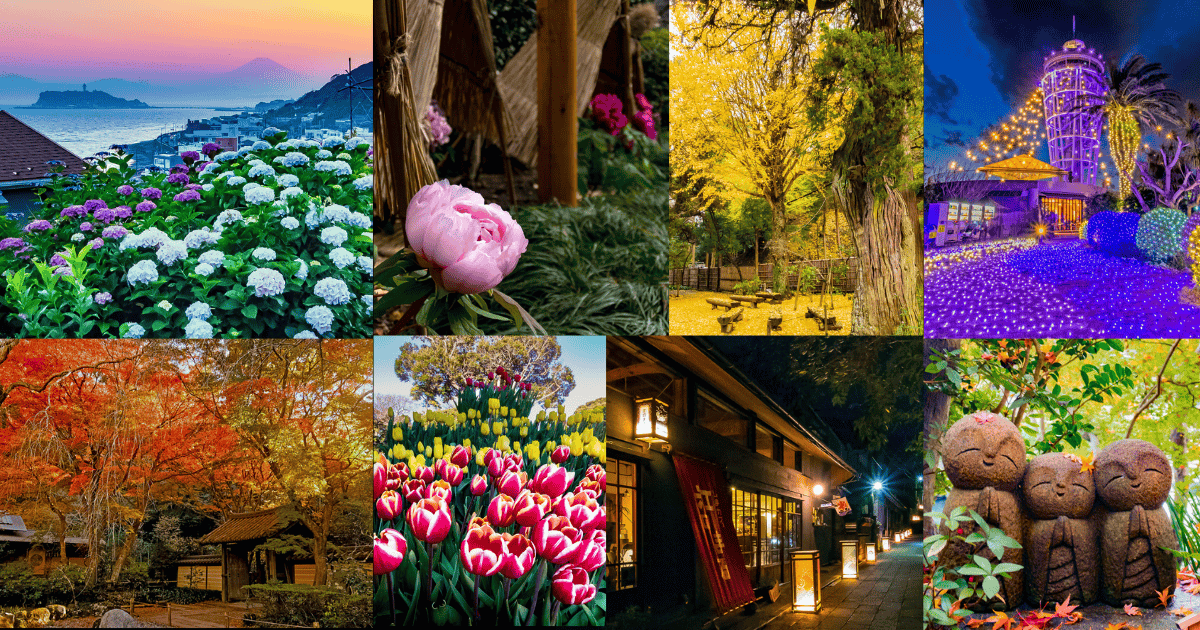
- Spring (Jan–Mar): Enjoy winter peonies at Tsurugaoka Hachimangu (Jan–Mar) or vibrant cherry blossoms at Komyo-ji Temple during the spring peak.
- Early Summer (June): For Hydrangea season, you must choose to prioritize one temple. You should pick either Meigetsu-in (Kita-Kamakura) or Hasedera (which requires prior online reservation).
- Autumn (Late Nov/Early Dec): Popular foliage spots include Kakuenji, Ichijō Ekan Sansō, Hasedera, Engaku-ji, and Meigetsu-in. Since it is difficult to visit them all in one day, we recommend focusing on just 1–2 key sites such as Kakuenji or Hōkokuji (known for its stunning bamboo grove).
Freepass Perk Audit: Maximizing Discounts
The Freepass includes discounts beyond transportation.
- Key Discounts: 10% off the Sea Candle and Escar tickets.
- For a full list of valid restaurant and facility discounts, refer to the detailed analysis in the Freepass guide ( Enoshima Kamakura Free Pass: Is It Worth It?).
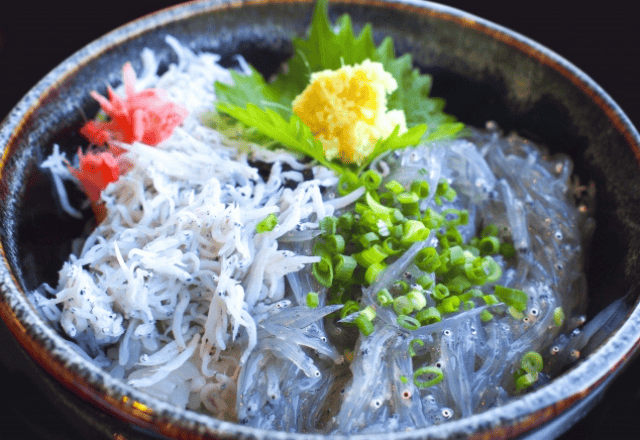
Tasting the Shonan Specialty: Shirasu (Whitebait)
This local specialty is highly recommended and well worth the price, even though it is not typically covered by Freepass discounts.
Traveler’s Tip: If you are uneasy with the appearance of raw shirasu (Nama-Shirasu), then try the Kamaage Shirasu (boiled and seasoned). We recommend dining at a spot with a view, such as Enoshima Koya (near Katase-Enoshima Station) or one of the shops on the island like Tobiccho or Umikatei.
4. Logistics for your Kamakura & Enoshima Itinerary
How to Handle Crowds in Kamakura & Enoshima: Pro Tips
- Crowd Avoidance:Consider reversing the itinerary (Enoshima first). This can help minimize time spent queueing at Kamakura’s popular morning spots.
- Rainy Days: Use the time to visit the Shin-Enoshima Aquarium (Freepass discount available). Alternatively, explore the large indoor halls of temples like Kenchō-ji.
Departure Guide & Other Transit Options
- To Northern Kamakura Temples: Local bus routes from Kamakura Station are the most direct and efficient mode of transport for visiting temples like Hōkokuji (Bamboo Temple).
- Understanding the Seven Gods of Fortune Pilgrimage (Shichifukujin Meguri):
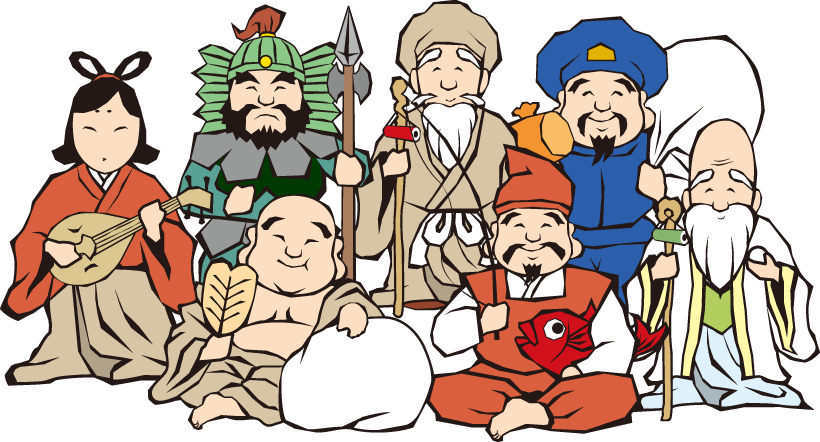
This is a specialized cultural pilgrimage to visit eight specific temples and shrines dedicated to the seven gods of fortune. This pilgrimage is managed by the Kamakura-Enoshima Shichifukujin Society and offers a deep dive into the area’s spiritual history.
- Cultural Note: Visitors purchase a special sheet or booklet (available in several designs) and receive a unique “Goshuin” (red stamp/calligraphy signature) at each location. A separate fee (approximately ¥500) is required for each Goshuin. This completed collection serves as an auspicious souvenir that many travelers frame and display at home as a good luck charm.
- Time Commitment: This requires one to two full days and cannot be incorporated into a standard 1-day itinerary.
5. Conclusion: Is a Kamakura & Enoshima Day Trip Feasible?
Yes, combining the essential highlights of Kamakura and Enoshima into one day is fully achievable. Success relies on minimizing time spent on transit and maximizing time at the sites.
Key Summary for Success:
- Prioritize the Freepass: The Enoshima-Kamakura Freepass is the most cost-effective and convenient solution for your transport needs. It enables quick and unlimited trips on the essential Enoden Line.
- Adhere to the Schedule: Strict adherence to the model itinerary’s departure time (ideally before 7:00 AM) is crucial. Furthermore, efficient movement between Kamakura’s historic center and the Hase area is necessary to reach Enoshima Island before sunset.
- Know Your Limits: You must be selective. It is impossible to cover all temples (e.g., the northern Kita-Kamakura area or the extensive Seven Gods of Fortune Pilgrimage) in this single day trip.
If you find yourself captivated by the area, a subsequent trip dedicated solely to deeper exploration is highly recommended. You could try cycling the coast, focusing on hidden temples, or completing the Shichifukujin Pilgrimage.
6. FAQ: Planning Your Trip
What to do in Enoshima and Kamakura?
You should focus on the Great Buddha, the historical shrines, and the Sea Candle for the best views. If you are starting a Kamakura and Enoshima day trip from Yokohama, your transit time will be even shorter.
Kamakura or Enoshima: Why Choose When You Can Enjoy Both?
Many people ask whether they should visit Kamakura or Enoshima. Because both offer very different experiences, we recommend using this Kamakura Enoshima day trip from Tokyo guide to enjoy both in a single day!