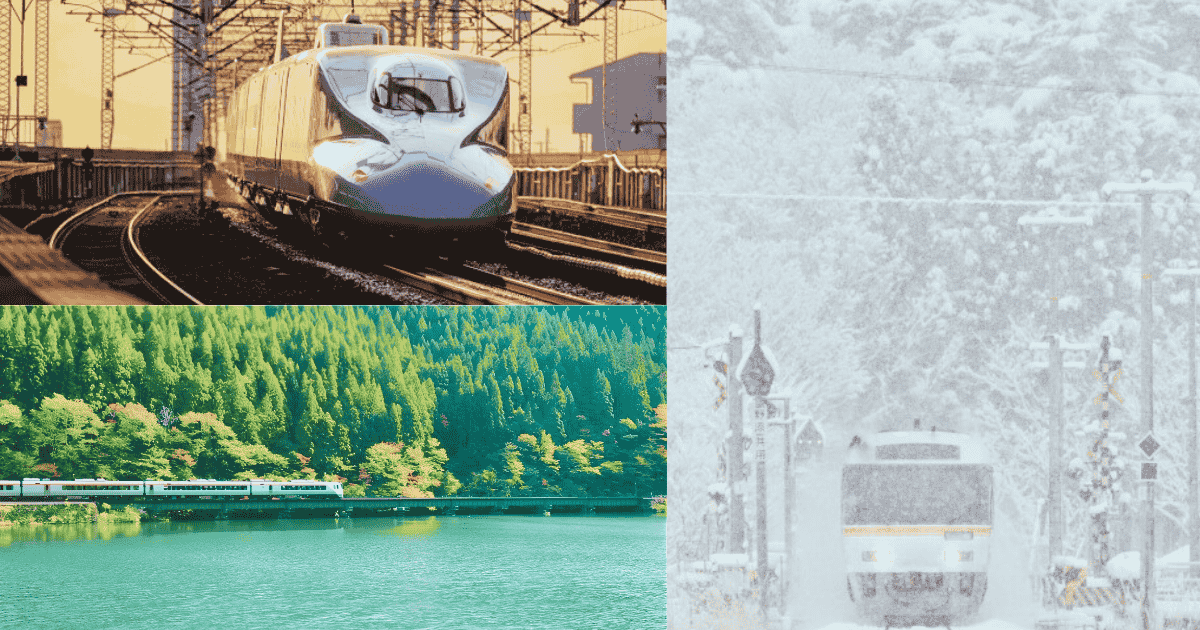
Nestled in the heart of the Japanese Alps, Hida-Takayama is a destination that feels like stepping back in time. However, reaching this “Little Kyoto” can be a bit tricky for many travelers. Should you hop on the famous Limited Express Hida from Nagoya? Or is it better to enjoy the views on the Hokuriku Shinkansen via Kanazawa? Is the highway bus the ultimate budget hack, or should you embrace the freedom of a rental car through the mountain passes?
I lived in this beautiful region for about five years, and I want to share my local knowledge with you. In this guide, I will explain the most efficient, cost-effective, and scenic ways to get to Takayama in 2026. Whether you hold a Japan Rail Pass or you are a family looking for a road trip adventure, here is everything you need to know for a seamless journey.
Table of Contents
Toggle1. Quick Comparison: Which Route is Best for You?
Choosing your transport depends on your starting point, your budget, and your luggage situation. Here is a simple table of the main routes from Tokyo, Osaka, Nagoya, and Toyama to help you decide quickly.
The 2026 Transport Matrix
(Updated with March 23, 2026 price changes)
| From | Method | Time | Est. Cost | Best For... |
|---|---|---|---|---|
| Tokyo | JR Train (via Nagoya) | ~4.5 hrs | ¥15,500+ | Speed & Scenery |
| JR Train (via Toyama) | 4 - 4.5 hrs | ¥15,500+ | Fast & Modern | |
| Highway Bus | ~5.5 hrs | ¥7,500+ | Budget & No Transfers | |
| Osaka / Kyoto | JR Train (Direct or via Nagoya) | 3.5 - 4 hrs | ¥10,000+ | Comfort & Convenience |
| Highway Bus | 4.5 - 5.5 hrs | ¥6,500+ | Saving Money | |
| Nagoya | JR Train (Ltd. Exp. Hida) | ~2.5 hrs | ¥6,500+ | The "Classic" Route |
| Highway Bus | ~3 hrs | ¥3,500+ | Day Trips | |
| Toyama | Bus or JR Train | ~1.5 hrs | ¥2,800+ | The "3-Star" Scenic Route |
Travel Route Diagnostic Chart
Still not sure which one to pick? Answer these simple questions to find your best route to Takayama:
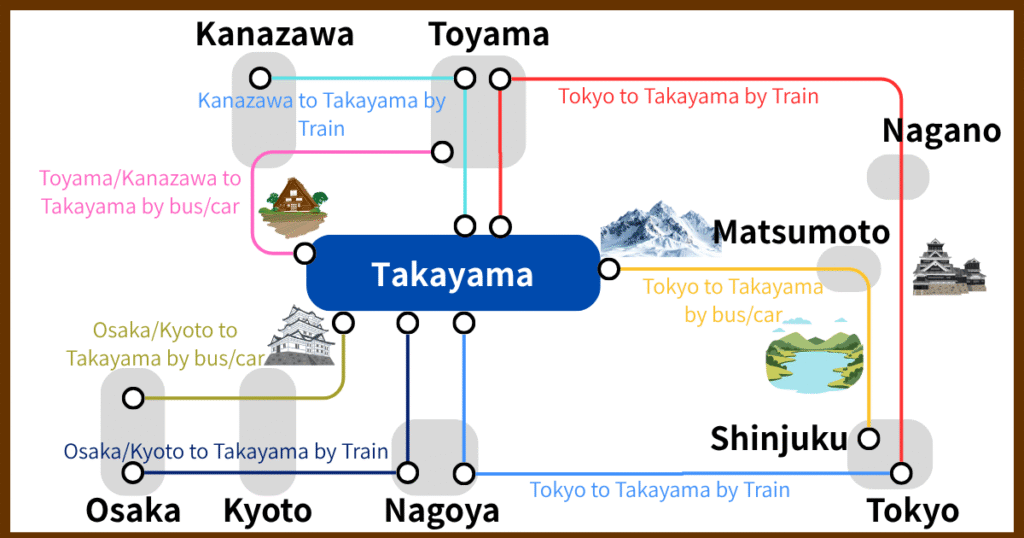
- Do you have a Japan Rail Pass (National)?
- YES → Stick with the JR Train. It is fully covered by your pass, and the views from the “Limited Express Hida” are world-class!
- NO →(Move to Question 2)
- Do you want total freedom or have heavy luggage?
- YES → Consider a Rental Car or Highway Bus. Buses offer ample luggage space and the convenience of a “no-transfer” journey. A car is also good because you can share the cost of gas and tolls.
- NO→ (Move to Question 3)
- What is more important to you: saving money or saving time?
- Save Money → Take the Highway Bus. It is the most economical choice. Many buses even have comfortable, wide seats for a low price.
- Save Time → Take the Shinkansen + Limited Express Hida. This is the fastest way to start your adventure in Takayama’s Old Town.
- Are you visiting in Winter (December – March)?
- YES (and you don’t usually drive in snow) → Avoid Driving. The mountain roads are very dangerous in winter. Please take the train or bus for a safe, stress-free trip.
2. Option 1: Japan Rail (JR) – The Gold Standard
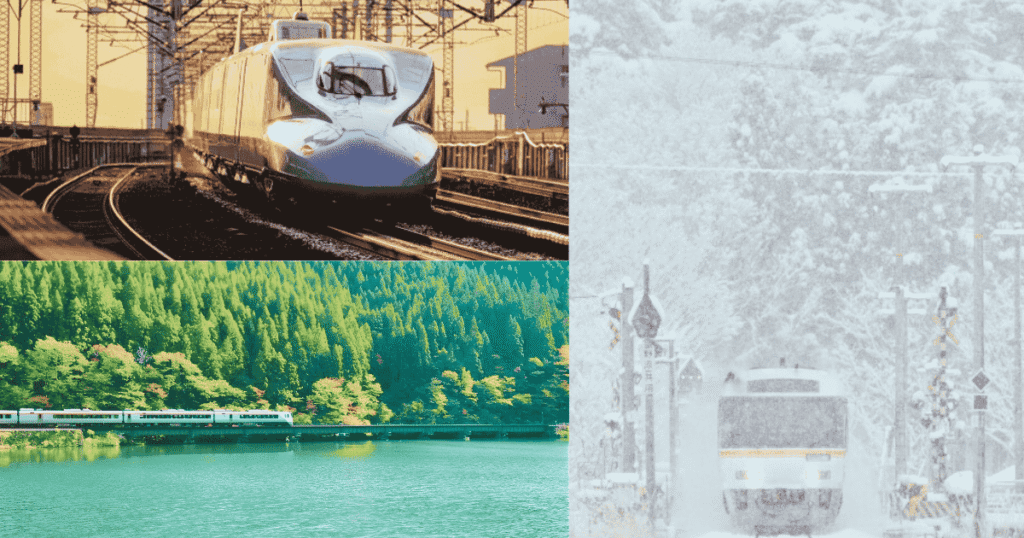
For most travelers, the train is the best way to reach Takayama. It is fast, punctual, and offers incredible mountain views. Since the introduction of the new HC85 series hybrid trains in 2022, the journey has become even smoother and more eco-friendly.
The Two Main Routes: Nagoya vs. Toyama
Depending on your starting point, you have two main options:
- Via Nagoya (The Scenic Route): The most popular path. You take the Shinkansen to Nagoya and transfer to the Limited Express Hida. This route is famous for its stunning river views.
- Via Toyama/Kanazawa (The Alpine Route): Ideal for winter travel or if you want to visit Kanazawa’s famous gardens along the way.
Is the JR Pass Worth It in 2026?
Since the 2023 price hike, the 7-day National JR Pass (¥50,000) is often not worth it if you are only visiting Takayama. However, regional options like the Takayama-Hokuriku Area Tourist Pass (¥19,800) offer incredible value, covering both trains and buses to Shirakawa-go.
[Read the Full Rail Guide: Best Seats, Transfers & JR Pass Hacks →] Check our detailed “Train Guide” to learn which side of the train has the best views, how to navigate the “magic” transfer gate at Nagoya Station, and how to avoid the ¥1,000 luggage penalty.
3. Option 2: Highway Bus – The Best Choice for Budget Travelers
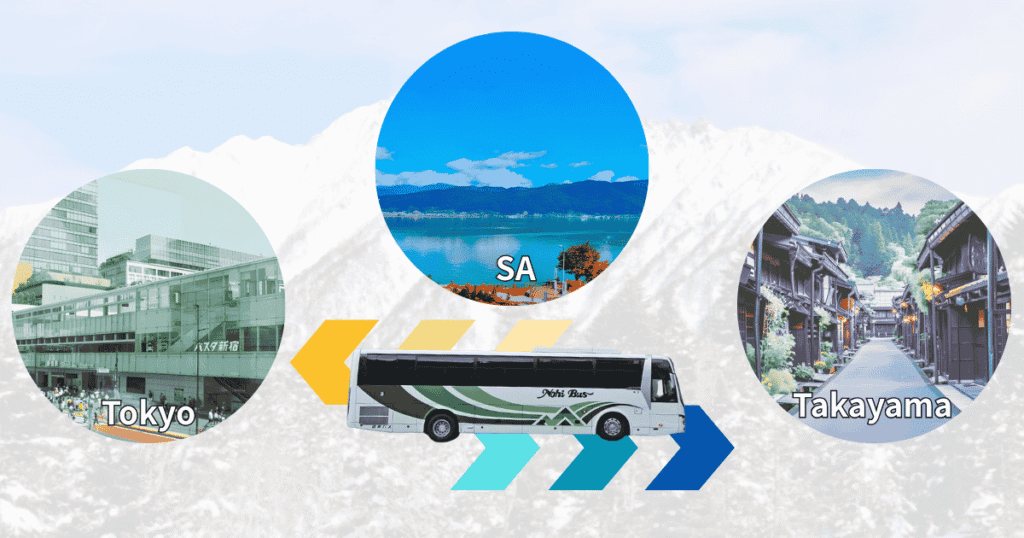
If you want to save your yen but still travel in comfort, the highway bus is your best friend. The train is faster, but the bus has a big advantage: “No Transfers.” This is a lifesaver if you want to avoid dragging heavy bags through the maze of Nagoya Station.
Direct Buses from Shinjuku, Nagoya, and Osaka
You can take direct “Expressway Buses” to Takayama from many major cities. Here is a summary of the most popular routes:
| From | Main Terminal | Time | Est. Price (One-way) |
|---|---|---|---|
| Tokyo | Shinjuku (Busta Shinjuku) | ~5.5 hrs | ¥7,500 - ¥8,000 |
| Nagoya | Meitetsu Bus Center | ~2.5 hrs | ¥2,500 - ¥4,000 |
| Osaka | Osaka Sta. / Namba (OCAT) | ~5.5 hrs | ¥7,000 - ¥7,500 |
| Kyoto | Kyoto Sta. (Hachijo Exit) | ~4 hrs | ¥6,500 - ¥7,000 |
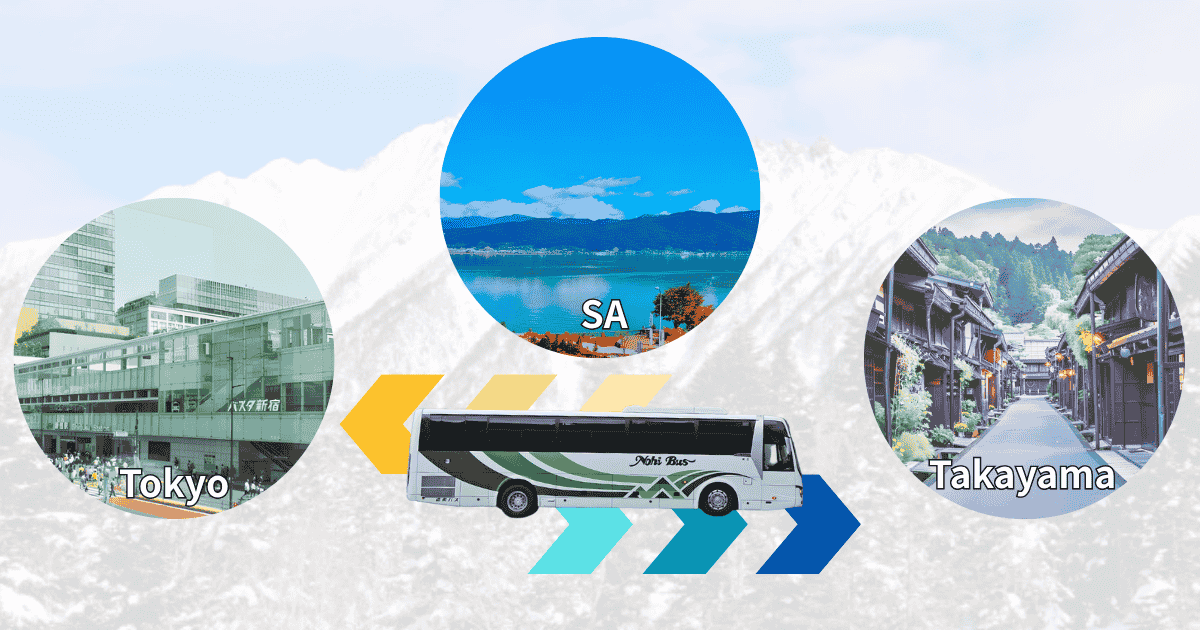
- Tokyo Tip: Most buses leave from “Busta Shinjuku.” It is located right above the JR Shinjuku Station South Exit. It is the newest and easiest bus terminal to use in Japan.
- Nagoya Tip: The bus and the train take about the same time (2.5 hours). However, the bus is about 40% cheaper than the Limited Express Hida train. It is a great way to save money!
Why the Bus is Great for Travelers with Large Luggage
One of the best reasons to choose the bus is the hassle-free luggage handling.
- Huge Trunk Space: On the Shinkansen, you now need a reservation for “oversized baggage.” However, on highway buses, you can store one large suitcase (up to 30kg) in the trunk for free.
- Note: Rules can change depending on the bus company. Please check their website when you book.
- Skip the “Station Trek”: Train travel often involves navigating endless stairs and long platforms. With the bus, you simply drop your bag at the terminal and pick it up upon arrival at the Takayama Nohi Bus Center—conveniently located in the heart of the city.
- The “Scenic Break”: On long trips from Tokyo or Osaka, the bus stops at large Service Areas (SA) for about 10 minutes.
- Example: The stop at Suwako SA (on the Tokyo route) offers a beautiful panoramic view of Lake Suwa. This is a “bonus” sightseeing spot that you cannot see from the train!
Note on Safety (Motion Sickness): Routes from Kanazawa, Nagoya, or Osaka are mostly on expressways. However, if you travel from Tokyo, the bus will drive on mountain roads for about one hour before reaching Takayama. If you are prone to motion sickness, we recommend booking a seat near the front of the bus.
4. Option 3: Rental Car – Ultimate Freedom and Hidden Gems
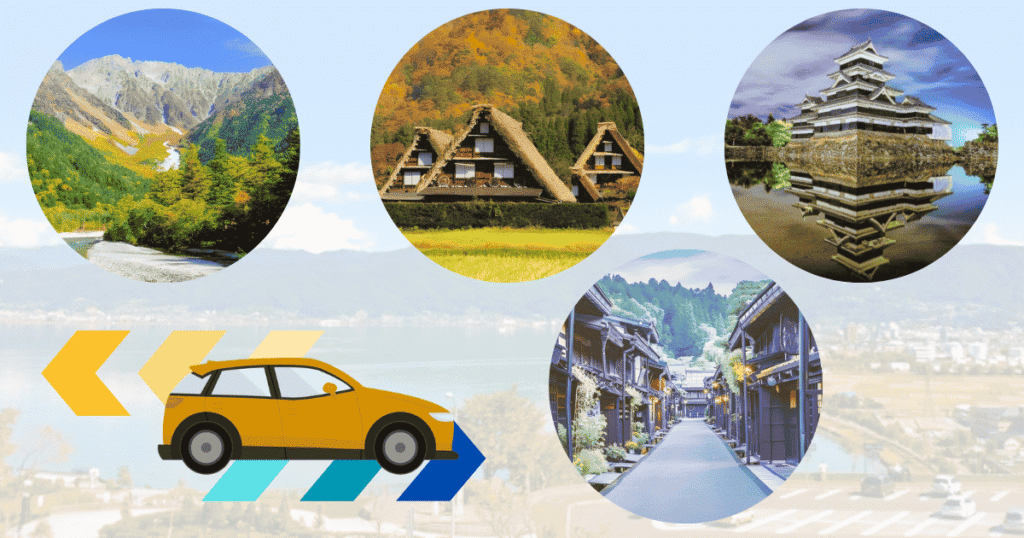
If you want to break free from fixed train and bus schedules, renting a car is the ultimate way to explore Central Japan. The drive from Tokyo or Nagoya to Takayama takes you through some of the most beautiful mountain views in the country.
Driving in Japan is generally safe and easy. However, the route to Takayama includes high-speed expressways and narrow mountain roads. For those who love “Slow Travel,” the freedom to stop whenever you see a beautiful view is worth every yen!
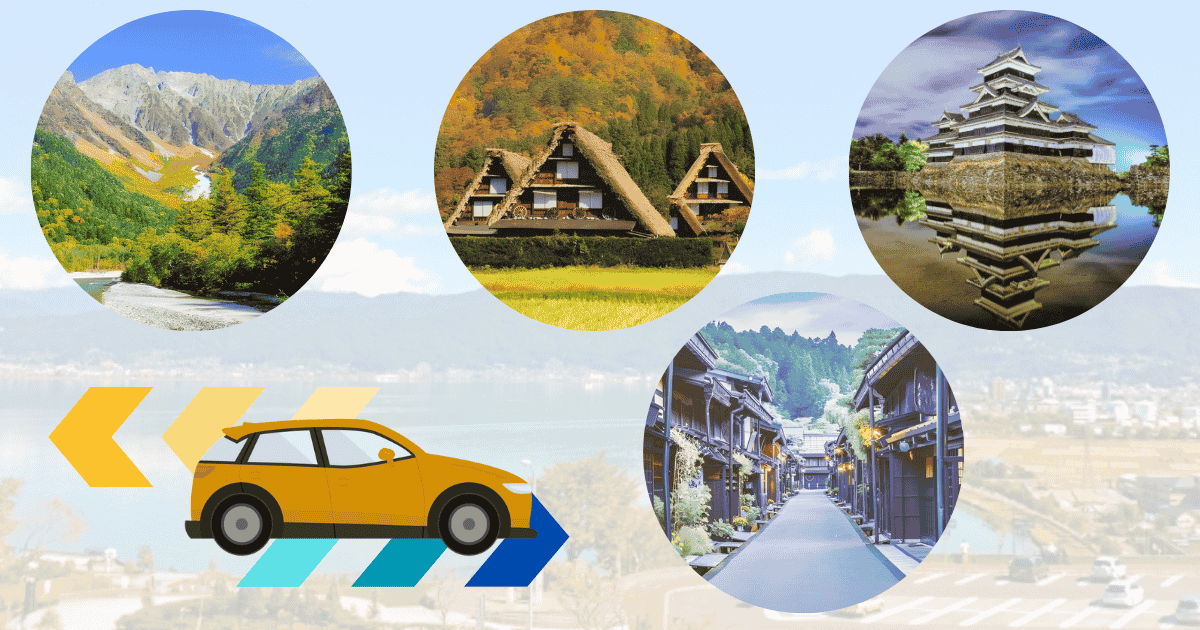
Scenic Stops You Can Only Reach by Car (Kamikochi & Matsumoto)
The biggest reason to choose a car is that you can turn a 5-hour trip into a full day of sightseeing.
- The Matsumoto & Kamikochi Detour (from Tokyo): Instead of going straight to Takayama, you can visit Matsumoto Castle, one of Japan’s most famous historic castles. From there, you can drive through the breathtaking mountain area near Kamikochi to enter the Hida region. The roads here wind through stunning nature.
- The Gujo Hachiman Stroll (from Nagoya): On your way north, visit the “Water City” of Gujo Hachiman. It is famous for its beautiful water canals and summer dance festivals.
Direct Access to Shirakawa-go: Buses go to this UNESCO World Heritage site, but having your own car is better. You can visit early in the morning or late in the evening to avoid the big tour groups. It is much more peaceful!
Crucial Safety Tips: Winter Driving and Road Closures
Driving to Takayama requires much more preparation than driving in Tokyo or Osaka. Here are the “must-know” tips for a safe trip:
- Winter Warning (December – March): Snowfall in the Hida region is notoriously heavy and frequent. Snow tires (studless tires) are mandatory. When you book a rental car, you must confirm they are included.
- Local Advice: Even with 4WD, mountain roads can become as slippery as an ice rink. Even local drivers who know the roads well sometimes have accidents. Because it is so dangerous, we recommend avoiding driving in winter if possible. If driving is non-negotiable, ensure you carry tire chains even with a 4WD vehicle.
- The “iHighway” Check: Expressways to Takayama (like the Chuo or Tokai-Hokuriku) sometimes close due to heavy snow or landslides. Before you leave, always check the iHighway (NEXCO Central) website for real-time English updates on road closures.
- The “Abo Pass” Tunnel: If you drive from Matsumoto to Takayama, you will use the Abo-toge Tunnel. There is an old mountain road that goes over the pass (not through the tunnel). It is open from spring to autumn, but it is very narrow and dangerous. For your safety, please stay on the main tunnel route.
5. Transportation Guides by Departure City
Your “best” way to Takayama depends on where you start your journey. For step-by-step navigation, platform numbers, and local tips, explore our detailed guides for each city below.
From Tokyo: Shinkansen or Highway Bus?
Traveling from the capital is a trade-off between speed and savings. Should you take the Shinkansen for a fast 4.5-hour trip, or save money with the 5.5-hour direct bus? We compare the costs and show you exactly how to find the bus terminal in the big “maze” of Shinjuku Station.
From Osaka & Kyoto: The “Wide View” Experience
Travelers from the Kansai area have a special advantage: a direct train that runs once a day! This means you don’t have to change trains at Nagoya. If you miss it, do you know the fastest way to get there? We explain the best transfers and the beautiful views you can see from the train.
From Nagoya: The Fastest Way to the Alps
Nagoya is the main “gate” to Takayama. With trains and buses leaving almost every hour, the real question is: “Train or Bus?” The time is almost the same. We compare the luxury of the new “HC85” train against the great price of the local express buses.
From Toyama & Kanazawa: The “Three-Star” Scenic Route
This route connects some of Japan’s most historic areas and is part of the famous “Three-Star Road.” Whether you like the highway bus through the mountains or the scenic JR train from Toyama, this guide shows you the best way to see these amazing World Heritage areas.
Looking for a Specific Transport Method?
If you have already decided how to travel, check our deep-dive guides for each method:
6. Essential Tips: Traveling Hands-Free

Planning your route is only half the work. To truly enjoy the Japanese Alps, you’ll want to solve the “Big Suitcase” dilemma.
Why We Recommend Luggage Forwarding (Takkyubin)
One of the biggest mistakes travelers make is dragging huge suitcases through busy stations like Nagoya or onto crowded buses. In Japan, most travelers use Takkyubin to send bags from hotel to hotel.
- Train Travelers: Skip the “Oversized Baggage” stress on the Shinkansen.
- Bus Travelers: Avoid the strict “one-bag” rule for the bus trunk.
- Peace of Mind: Travel with just a small daypack and enjoy the scenery.
[See Our Full Luggage Guide & Shinkansen Rules →]
Check our detailed guide to learn about the new 160cm Shinkansen luggage rule, exact delivery costs, and how to fill out the form at your hotel.
Best Apps and Websites for Real-Time Updates
Google Maps is great for basic directions, but it does not always show mountain road closures or local bus delays. To travel like an expert, please bookmark these links:
- Japan Transit by Jorudan: This app is often more accurate for train platform numbers and special trains like the “Limited Express Hida.” You can also filter results specifically for JR Pass holders.
- iHighway (NEXCO Central): If you are driving or taking the bus, this is your “bible.” It provides real-time English maps showing road closures, accidents, or snow-chain requirements on the expressways leading to the Alps.
- Official Nohi Bus Website: If you are taking the bus, check the Nohi Bus official site. It has the latest schedules and important alerts about weather-related cancellations.
- The “Safety tips” App: This app was made by the Japan Tourism Agency. It sends push notifications for earthquake and weather warnings in English. This is very important for traveling in mountain areas.
7. Summary: Start Your Hida-Takayama Adventure!
Whether you choose the high-tech Shinkansen, the budget-friendly highway bus, or the total freedom of a rental car, the journey to Takayama is more than just travel. It is your first step into the beauty of Gifu Prefecture.
By choosing the best route for your group and budget—and using tools like luggage forwarding to stay mobile—you will arrive in the Old Town feeling refreshed and ready to explore. Have a safe trip, and enjoy the mountains!