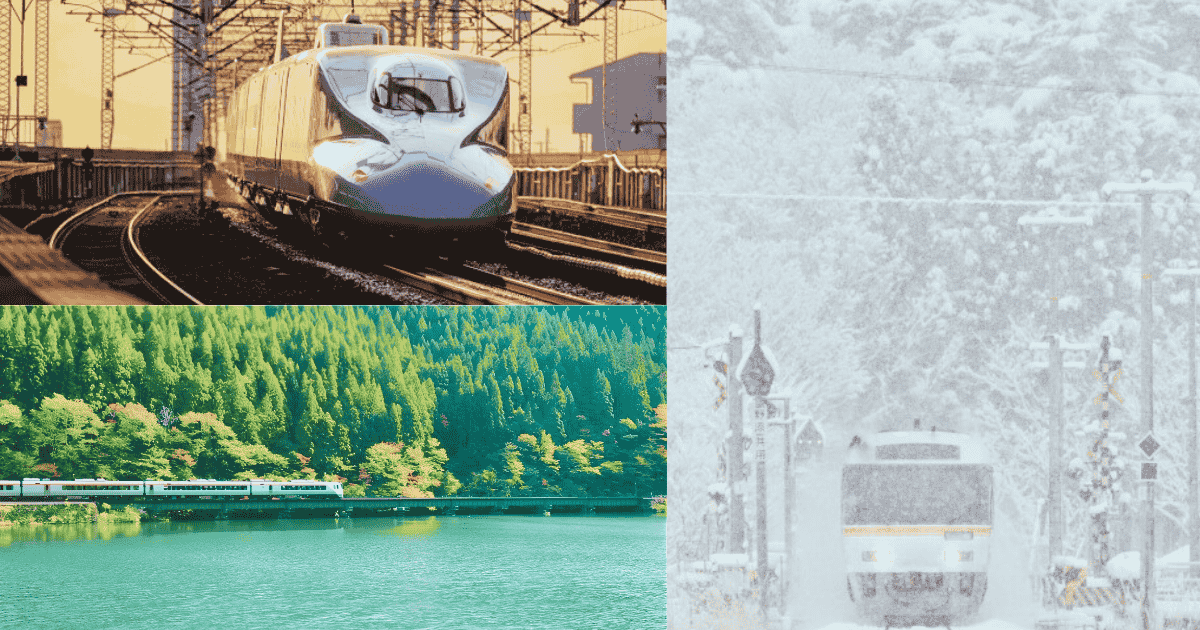
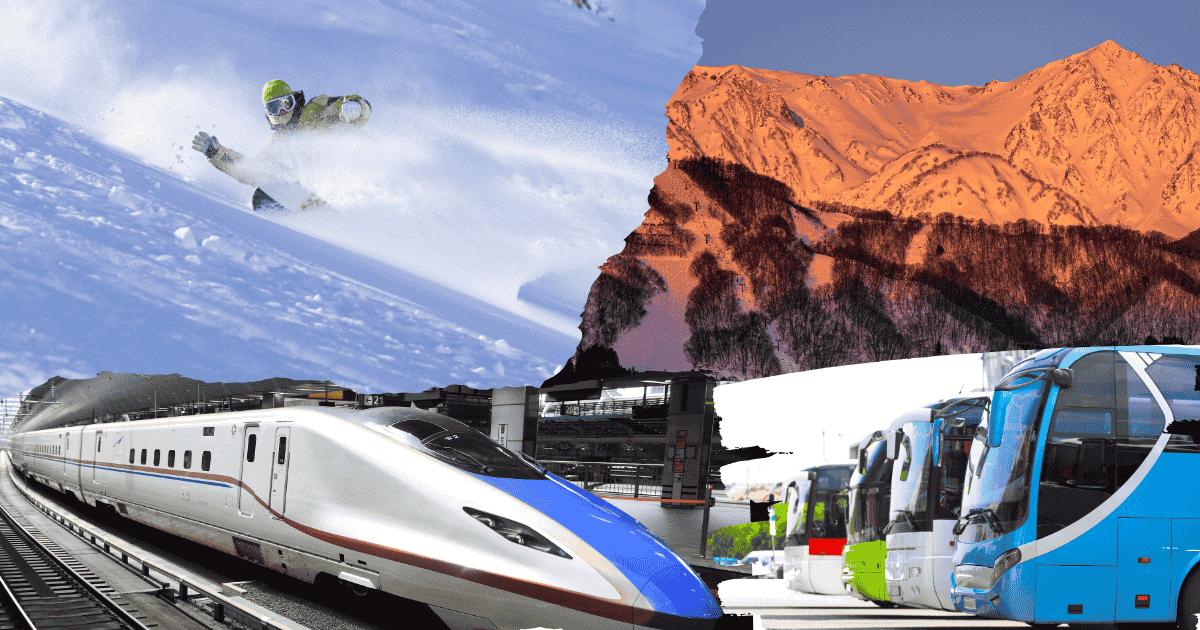
Traveling from Kyoto or Osaka to Hakuba for a ski trip? While there is no direct bullet train, you have three excellent Shinkansen options depending on whether you value speed, scenery, or reliability.
In this guide, we compare the 3 main Bullet Train routes (via Tokyo, Nagoya, and Kanazawa) and the direct bus option to help you choose the best way for your journey in 2026.
Table of Contents
Toggle1. Comparing 3 Best Bullet Train Routes by Priority
Select the mode of transport that best fits your travel style and schedule.
The Fastest and Most Frequent Bullet Train via Tokyo (Route A)
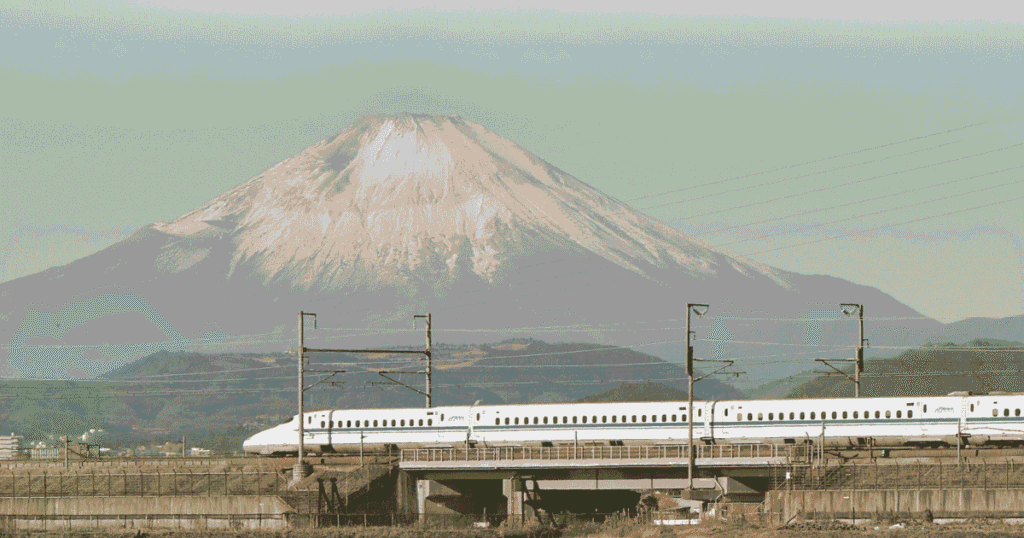
This is the gold standard for reliability. Moreover, it offers the most frequent departures. Therefore, it is ideal for those starting from Kyoto or Shin-Osaka.
The first leg of this journey, from Kyoto or Shin-Osaka to Tokyo, utilizes the Tokaido Shinkansen, which is operated by JR Central (JR Tokai). Traveling from Tokyo to Nagano for the second leg involves the Hokuriku Shinkansen, operated by JR East.
Scenic Shinkansen & Limited Express via Nagoya (Route B)
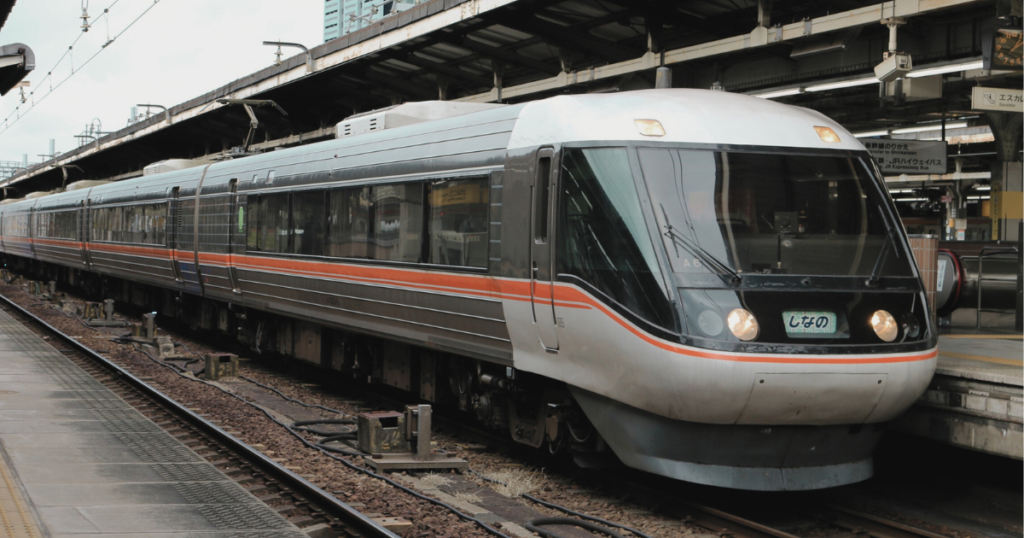
This route utilizes the Limited Express Shinano. Consequently, it offers the best cost-to-speed ratio for rail travel.
The Limited Express Shinano service is primarily run by JR Central (JR Tokai).
Modern Shinkansen Route via Tsuruga (Route C)
This is a great alternative when Tokyo connections are tight. In particular, it is convenient for those departing from Osaka Station.
This train is the Limited Express Thunderbird, which is run by JR West.
Budget-Friendly Option via Overnight Bus (Route D)
This option saves on a night’s accommodation. Thus, it is perfect for budget travelers looking to be on the slopes by morning.
2. Fast Facts: Duration and Cost Comparison for Hakuba
All rail routes conclude with a final leg via the Alpico Express Bus from Nagano Station (3,500 yen). Note that travel times from Osaka are longer than from Kyoto. Specifically, the differences are as follows: Routes A/B (+15m), Route C (+26m), and Route D (+1h15m).
Please note that air travel is not a viable option for this journey as there are no direct flights to Hakuba.
Travel Summary (Reserved Seats)
| Route | Summary | Duration (Kyoto) | Duration (Osaka) | Total Cost (Est.) |
|---|---|---|---|---|
| A. Via Tokyo | 2 Shinkansens | 5.5 - 7 hrs | 5h 45m - 7h 15m | 26,010 / 26,560 yen |
| B. Via Nagoya | Bullet + Ltd. Exp | 5.5 - 7 hrs | 5h 45m - 7h 15m | 16,870 / 17,640 yen |
| C. Via Tsuruga | Thunderbird + Shinkansen | 5 - 7 hrs | 5h 26m - 7h 26m | 18,790 / 20,070 yen |
| D. Overnight Bus | Direct + Local Bus | 7.5 - 8 hrs | 8h 45m - 9h 15m | 8,600 - 15,000 yen |
3. Detailed Hakuba Route & Fare Breakdown
Via Tokyo: Tokaido & Hokuriku Shinkansen (Route A)
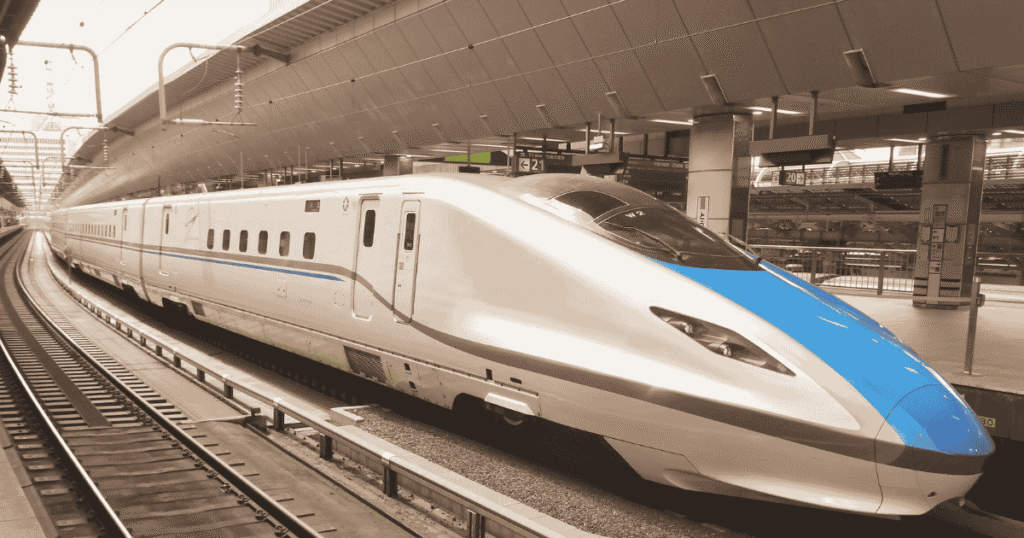
Prices reflect the use of the “Nozomi” service for the Tokaido Shinkansen leg to Tokyo. For the subsequent journey, the total covers the Hokuriku Shinkansen to Nagano and the 3,500 yen express bus to Hakuba.
| Departure | Leg | Fare | Non-Reserved | Reserved | Green Car | GranClass (B) |
|---|---|---|---|---|---|---|
| Kyoto | KYT -> Tokyo | 8,360 | 13,320 | 14,170 | 19,040 | N/A |
| Osaka | OSA -> Tokyo | 8,910 | 13,870 | 14,720 | 19,590 | N/A |
| Common | Tokyo -> Nagano | 4,070 | 7,810 | 8,340 | 12,000 | 15,150 |
| Common | Nagano -> Hakuba | 3,500 | N/A | N/A | N/A | N/A |
| TOTAL | From Kyoto | - | 24,630 | 26,010 | 34,540 | 38,820 |
| TOTAL | From Osaka | - | 25,180 | 26,560 | 35,090 | 39,370 |
Via Nagoya: Shinkansen + Ltd. Exp. Shinano (Route B)
This total fare includes the Shinkansen ride from Kyoto to Nagoya and the Limited Express “Shinano” for the mountain leg of the journey. This route is favored for its balance between cost and scenic views of the Kiso Valley.
| Departure | Leg | Fare | Non-Reserved | Reserved | Green Car |
|---|---|---|---|---|---|
| Kyoto | KYT -> Nagoya | 2,640 | 5,170 | 5,910 | 8,180 |
| Osaka | OSA -> Nagoya | 3,410 | 5,940 | 6,680 | 8,950 |
| Common | Nagoya -> Nagano | 4,510 | 6,930 | 7,460 | 13,540 |
| Common | Nagano -> Hakuba | 3,500 | N/A | N/A | N/A |
| TOTAL | From Kyoto | - | 15,600 | 16,870 | 25,220 |
| TOTAL | From Osaka | - | 16,370 | 17,640 | 25,990 |
Via Tsuruga: Thunderbird + Hokuriku Shinkansen (Route C)
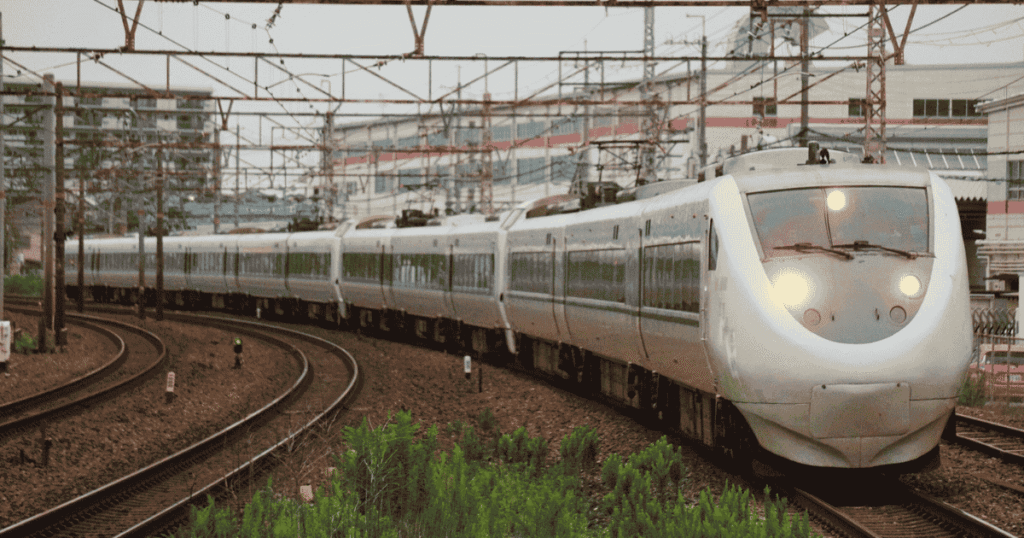
This option utilizes the Limited Express “Thunderbird” to Tsuruga, where you transfer to the Hokuriku Shinkansen. It is an excellent modern alternative, especially for those wanting to experience Japan’s newest Shinkansen tracks or visit the Fukui/Kanazawa area.
| Departure | Leg | Fare | Reserved | Green Car | GranClass (B) |
|---|---|---|---|---|---|
| Kyoto | KYT -> Tsuruga | 1,690 | 3,420 | 4,190 | N/A |
| Osaka | OSA -> Tsuruga | 2,310 | 4,700 | 6,970 | N/A |
| Common | Tsuruga -> Nagano | 6,050 | 11,870 | 16,830 | 21,030 |
| Common | Nagano -> Hakuba | 3,500 | N/A | N/A | N/A |
| TOTAL | From Kyoto | - | 18,790 | 24,520 | 27,950 |
| TOTAL | From Osaka | - | 20,070 | 27,300 | 31,500 |
Direct Express Bus Options (Route D)
First, it is important to note that there are no direct flight routes from Kyoto or Osaka to Hakuba. Specifically, this is because Hakuba does not have its own commercial airport. While Shinshu-Matsumoto Airport is the closest regional hub, it currently does not offer flights from Kyoto, Osaka, or Tokyo. Therefore, it is excluded from this guide’s practical options. Consequently, the express bus remains the only direct road-based alternative to the rail network for this specific journey.
| Segment | Mode | Fare Range |
|---|---|---|
| Kyoto/Osaka -> Nagano | Overnight Bus | 5,100 - 11,500 yen |
| Nagano -> Hakuba | Express Bus | 3,500 yen |
| Total Est. | 8,600 - 15,000 yen |
4. Essential Step-by-Step Hakuba Transfer Guide
4.1. Tokyo Station: Shinkansen to Shinkansen
Look for “Shinkansen Transfer (Hokuriku/Kanazawa)” signs after arriving. Furthermore, note that Cars 7-11 on the Tokaido line are closest to the stairs.
Proceed by following the signs for the “Hokuriku Shinkansen” tracks.
Insert all your tickets (2-3) into the transfer gate simultaneously to pass through.
4.2. Nagoya Station: Shinkansen to Ltd. Exp. Shinano
Head towards the “North Exit” (Kita-guchi) stairs on the Shinkansen platform. This is the only path with elevators directly to the Limited Express platforms. Consequently, this is vital for those with heavy ski gear.
Pass through the white “JR Lines” transfer gate to complete your connection.
4.3. Tsuruga Station: Thunderbird to Hokuriku Shinkansen
Follow “Shinkansen Transfer” signs to the 2F concourse. As a pro-tip, departing from Osaka gives you the first pick of luggage space on the Thunderbird.
Go to the Shinkansen ticket gates. Furthermore, you should purchase snacks and drinks in Kyoto or Osaka. This is because station shops here can be very crowded.
Use the escalator to reach the 3F Shinkansen platforms. Specifically, Car 9 is usually the closest.
4.4. Nagano Station: Train to Hakuba Bus
Once you arrive at Nagano Station, you can take a bus to Hakuba Bus Terminal. This bus service is provided by the Alpico Group.
Exit through the main ticket gates. Please do not use the transfer gates.
Turn left and follow signs for the “East Exit” (Higashi-guchi).
Descend to the ground level rotunda via the elevator or stairs. Then, find Bus Stop #26.
5. Hakuba Tickets and Passes: Maximizing Value
- JR Pass: This pass does not cover “Nozomi” trains. Therefore, you should use “Hikari” services for Route A or B.
- Booking: We recommend using the official JR-West or JR-East reservation websites. These platforms offer full English support.
- Luggage: Most Shinkansens now require a reservation for oversized baggage. Consequently, be sure to select “Seat with Oversized Baggage Area” when you are booking.
6. Conclusion: Which Hakuba Route Should You Choose?
For most travelers, Route A (Via Tokyo) is the preferred choice. This is due to the sheer number of daily departures. However, suppose you are starting from Osaka Station (Umeda). In that case, Route D (Via Tsuruga) is an excellent way to avoid the crowds of Shin-Osaka. Furthermore, it allows you to start your journey on a train where you are guaranteed a seat and luggage space from the start. Finally, for the budget-conscious, Route B (Via Nagoya) remains the smartest “middle ground” option.
7. FAQ: Kyoto to Hakuba Bullet Train and Day Trip Logistics
Is there a Kyoto to Hakuba flight?
No direct flights exist because Kyoto and Hakuba do not have commercial airports. Additionally, local Matsumoto Airport does not serve routes from Kyoto, Osaka, or Tokyo. Travelers should therefore rely on the Shinkansen or express bus routes detailed in this guide as the only practical way to reach the valley.
Can I do a day trip to Hakuba from Nagano?
Yes, taking a day trip to Hakuba from Nagano is a very common choice. To start your journey, take the Alpico Express bus from Nagano Station, which reaches the valley in about 60 to 75 minutes. Staying in Nagano City is therefore a convenient option for your trip. Additionally, the resorts offer a full day of powder before you head back. Then, you can return to Nagano Station in the evening without any stress.
Not sure if Hakuba is the right choice?
Explore our other 2026 comparison guides to find your perfect Japan ski destination:
- [Hakuba vs. Niseko: Powder, Access, & Value Showdown]
[Hakuba vs. Hokkaido: Regional Guide to Snow and Costs]
[Hakuba vs. Rusutsu: Which is Better for Crowds?]
[Hakuba vs. Shiga Kogen: Nagano’s Two Giants Compared]
[Hakuba vs. Nozawa Onsen: Steep Terrain vs. Traditional Culture]