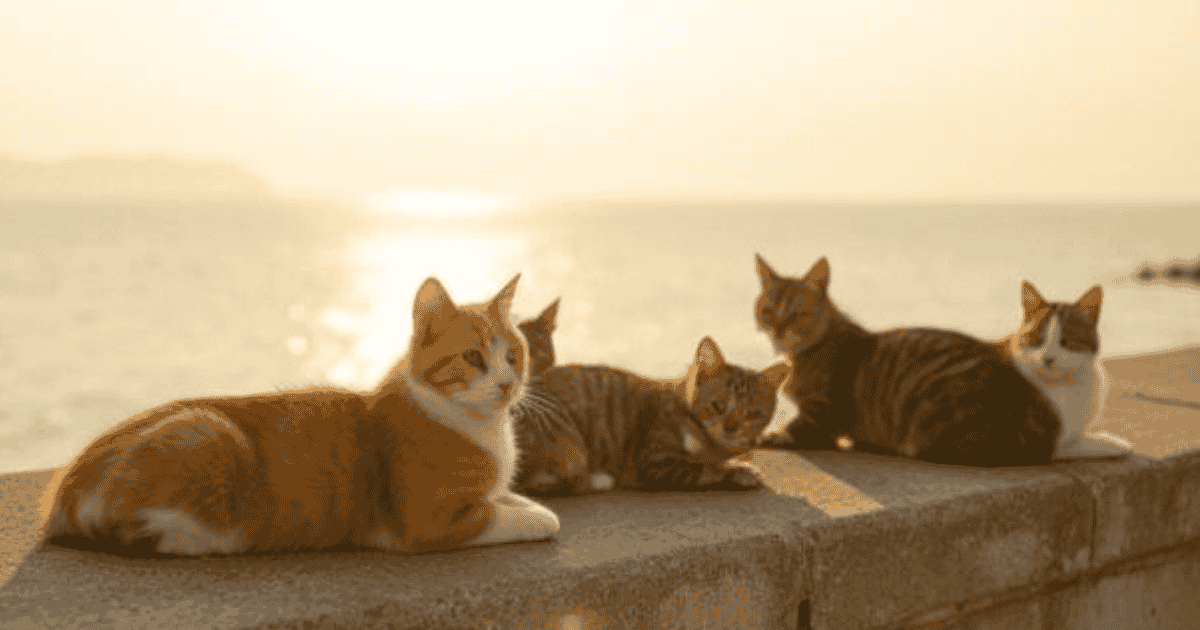
Forget the long journey to remote islands like Tashirojima or Aoshima. If you are looking for a memorable encounter with Japan’s famous cats just an hour from Tokyo, Enoshima is the answer. Known for its stunning ocean views and spiritual history, the island is also home to a community of well-cared-for local cats. Enoshima offers a rare chance to combine classic sightseeing with a pet lover’s paradise.
This comprehensive guide to local felines provides all the essential information for an ethical and successful visit. How do I get to the Enoshima cat island from Tokyo? We will show you exactly how to get there from Shinjuku. In addition, we will highlight the best spots to find the furry residents. We also include critical rules for ensuring the animals’ welfare. Please read on to plan your efficient day trip to Japan’s closest island of its kind.
If you are planning to visit both iconic areas, check out our guide on how to experience ” The Perfect Kamakura and Enoshima in One Day Itinerary “.
Table of Contents
Toggle1. Why People Call Enoshima a "Cat Island": The Reality vs. The Rumor
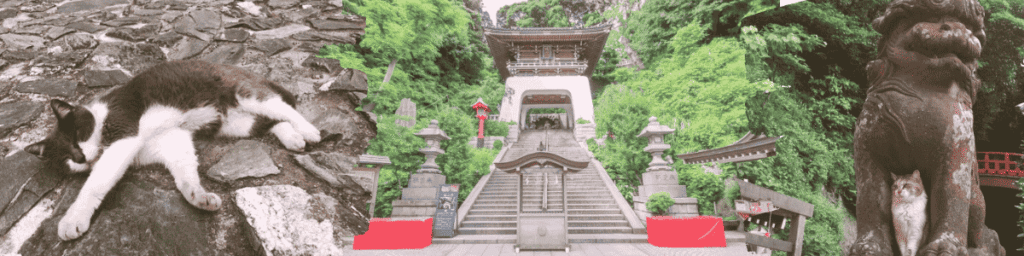
While Enoshima is famous for its feline inhabitants, the reality today is different from the viral rumors of the past. Past estimates often claimed there were hundreds of cats, but these numbers were never based on official records.
The Current Feline Population: An Important Clarification
The Rumor: Many online sources claim the island is overrun with hundreds of cats, leading visitors to expect them at every turn. The Reality: The population has stabilized and decreased due to successful local conservation efforts. Through a dedicated Trap-Neuter-Return-Manage (TNRM) program, the number of strays is carefully controlled. While they are less visible than in the past, you can still find a healthy, well-managed community by exploring quietly.
When you cross the bridge to the island today, you will not find the high density described in older reports. However, they are certainly present. These animals have integrated seamlessly into the urban environment. Thus, a careful and quiet observer will still find many friendly faces and feel rewarded.
Where to Find Them: Felines Integrated into the Urban Landscape
Enoshima’s cats aren’t concentrated in one spot; they are part of the island’s urban landscape. Finding them requires a keen eye for their favorite hiding places:
Main Paths: Look under benches and in narrow passages between shops. You should also check near the island’s entrance for cats resting in the shade.
Quiet Corners: Explore the shrubs near the shrines and parks. They also enjoy the warmth of houses, often napping under eaves or atop outdoor air conditioning units.
- Observing the Residents: These creatures are masters of blending in. Therefore, you will spot them integrated into the architecture and foliage if you watch the environment carefully.
How Local Volunteers Help Felines and When to Visit for Feeding Time
The most reliable time to see many furry friends is during the scheduled feeding times. Dedicated local volunteers manage these times exclusively. During these periods, the animals emerge from their hidden places and gather in designated areas. This organized feeding highlights the community’s commitment to the residents’ welfare. Moreover, it underscores the strict rules that protect them from harm.
2. Planning Your Cat Trip: How to Get to Enoshima from Tokyo
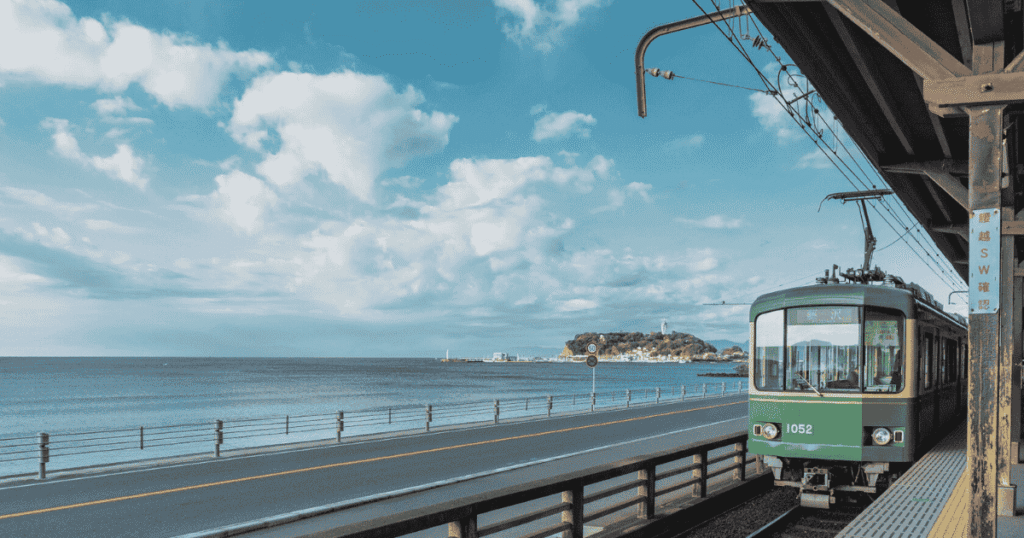
Enoshima is often cited as the most accessible island of its kind in Japan. Because of this, it is the perfect choice for tourists who want to see felines but also want to save travel time. For those starting their journey from the capital, see our detailed instructions on taking the ” Train to Kamakura from Tokyo: JR vs Odakyu (Routes, Cost, Pass) “.
The Easiest Route to See Cats: Shinjuku to Katase-Enoshima Station
The most recommended route uses the Odakyu Railway. This train departs from Shinjuku:
From Shinjuku Station: Take the Odakyu Line Express to Fujisawa Station. These trains depart frequently every 10–15 minutes.
Transfer at Fujisawa: Change to the local Odakyu Line train bound for the cat island area.
Total Journey Time: This takes approximately 65–75 minutes one way.
Estimated Cost: It costs about ¥650–¥670 using an IC card.
Alternate Access for Cat Lovers and Day Passes
Travelers have several options for reaching the cat island. Your choice depends on your starting point and pass usage:
- JR Pass Holders: Take the JR Tokaido Line or the JR Shonan-Shinjuku Line to Fujisawa Station. From there, you can transfer to see the cats via the Odakyu Line or the scenic Enoshima Electric Railway (Enoden).
- The Shonan Monorail Route: A unique alternative is the Shonan Monorail from JR Ofuna Station to Shonan Enoshima Station. This suspended monorail offers an exciting “roller coaster-like” experience. Additionally, it provides great views, making the transit part of the attraction.
- Recommended Pass: The Enoshima-Kamakura Free Pass (approx. ¥1,640) is very useful. It offers a round trip from Shinjuku and unlimited use of the Enoden and Odakyu lines between Fujisawa and Enoshima. Consequently, this is highly recommended if you plan to visit Kamakura on the same day. You can find more details about various discount tickets in our comprehensive guide to ” Enoshima Kamakura Free Pass: Price, Itinerary & Is It Worth It? “.
If you are coming from the Great Buddha or other temples, please refer to our transit tips for traveling from ” Kamakura to Enoshima: Monorail, Enoden & Train Crossing “.
3. Best Spots on Enoshima Island: Where to Find the Felines Now
You will encounter them throughout the island. However, strategic planning can maximize your sightings. Please focus your search on quieter resting areas along the main tourist path.
Nakamise Street: First Contact Point Inside the Island
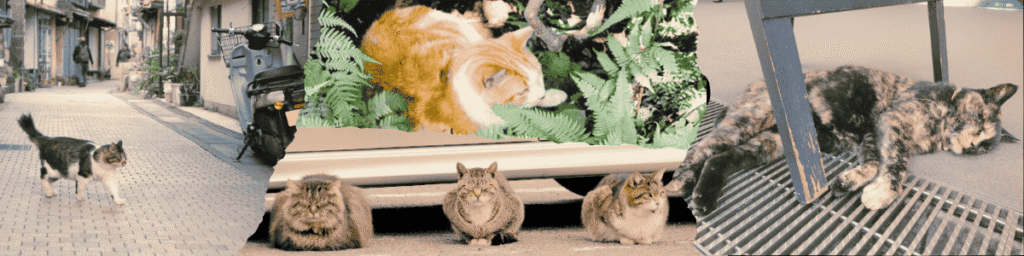
Once you cross the bridge and step onto the island, you will begin to notice the local pets. Most of them stay along the main shopping street.
Nakamise Street Resting Areas: Look for narrow passages where they gather. Those that trust people often rest here during the daytime. Thus, these spots function as primary resting areas for the residents.
Shrine Entrance: As you pass through the street, check the quiet spots near the Torii gate. They sometimes rest in these areas to stay away from the heavy foot traffic.
Enoshima Shrine: Finding Them Resting in the Precincts
The precincts of Enoshima Shrine are favored by shyer creatures. These areas offer a quieter environment for the animals.
Shrine Precincts: Check the low shrubs surrounding the shrines. They often rest in the shade of stone steps. These places offer solitude away from the rush of tourists.
Beyond the Summit: If you venture to the deeper part of the island, you increase your chances of seeing them. The residents are often in a more relaxed and natural state there.
4. Enoshima Rules: Essential Tips for Ethical Visits
Responsible tourism is essential for maintaining the local animal community. It ensures the island remains a positive environment for both felines and residents. Your actions directly impact their welfare.
Why Feeding is Strictly Prohibited
Do not feed the cats. According to local ordinances, only authorized volunteers are permitted to provide food. We ask all visitors to respect this rule for the following reasons:
Health and Diet: Volunteers provide balanced meals for the residents. Giving them human food or extra snacks can disrupt their diet and lead to serious health issues.
Population Management: Unregulated feeding can lead to an unsustainable increase in the population, which undermines the local sterilization (TNRM) program.
- Source: Kanagawa Prefectural Government (Kanagawa Prefectural Ordinance on Animal Welfare and Management, Available in Japanese only)
Legal Compliance: Do Not Harm or Remove the Animals
We must stress the importance of the Animal Welfare Act in Japan. It is strictly forbidden to:
HARM the animals: This includes any physical abuse or cruelty.
REMOVE the residents: Taking them off the island is illegal and considered kidnapping. These actions carry severe penalties. Therefore, please treat the cats with respect and observe them without interference.
5. Is Enoshima Cat Island Worth Visiting? (Compared to Other Cat Islands)
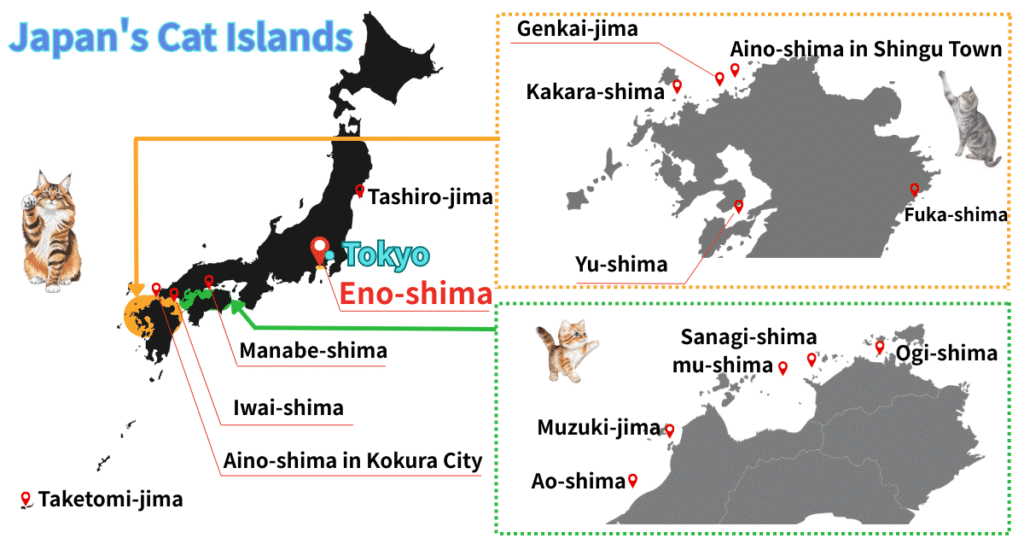
Choosing the right destination is a key decision for travelers. Here is an objective comparison to help you determine if Enoshima meets your watching goals.
Enoshima vs. Aoshima and Tashirojima: Key Differences
| Feature | Enoshima Cat Island | Aoshima / Tashirojima |
|---|---|---|
| Travel from Tokyo | Day Trip Feasible (1.5 hours). | Overnight Trip Necessary. |
| Cat-to-Human Ratio | Cats are integrated into tourism. | Cats are the primary focus. |
| Facilities for Cat Lovers | Full amenities (restaurants, etc.). | Minimal amenities (very few shops). |
| Cat Experience | Sightseeing with cat spotting. | Remote pilgrimage focused on cats. |
Why Enoshima is Perfect for a Day Trip
This location is highly recommended for most international visitors. It is especially good for those who love animals:
Convenience: Its proximity to Tokyo eliminates the need for long-haul travel, allowing you to save time for other attractions.
Holistic Experience: Enoshima offers activities beyond just spotting. For example, you can visit caves or eat local dishes after you see the residents.
Access for All: The escalator system makes finding them easy. This feature is absent on most other remote islands.
6. Conclusion: Planning an Efficient Day Trip to Enoshima Cat Island
Enoshima is a fantastic destination for animal lovers who value convenience and ethical tourism. It offers the perfect balance of traditional sightseeing and the chance to encounter Japan’s famous cats without the long-haul travel.
Quick Recap for a Smooth Visit:
Convenience: An easy 70-90 minute trip from Shinjuku makes it a perfect day trip.
Expectations: The cats are scattered and quiet; expect a peaceful search rather than a “cat cafe” experience.
Ethics: Always follow local rules—take plenty of photos, but never feed or pick up the cats.
Infrastructure: Take advantage of the island’s facilities to maximize your cat trip.
7. FAQ: Frequently Asked Questions about Japanese Cat Islands
Why are cats such a big deal in Japan?
Cats have been vital to Japanese coastal life for centuries. Primarily, people introduced them to islands to protect fishing boats from rats. Furthermore, fishermen believed they could bring good luck. Today, they are cherished as part of the culture. However, volunteers now conduct programs to protect their welfare. Consequently, the number of animals is gradually decreasing to a healthy level.
Which island in Japan has the most cats?
Many islands are famous for having over 100 residents. These include Tashirojima, Sanagijima, Kakarashima, Manabeshima, and Ainoshima. While Aoshima is very famous, it is not necessarily the island with the highest number of felines anymore. On all these islands, volunteers carefully manage the population.
Are there cats in Enoshima?
Yes, there are definitely cats in Enoshima! While they are not as densely packed as on remote islands, you can find cats integrated into the village. The cats are well-cared for by local volunteers.
Is there an Enoshima cats map?
There is no “official” map just for cats. However, you can find cats most often near Nakamise Dori and the shrines. You can also find cats on the paths leading to the Sea Candle.