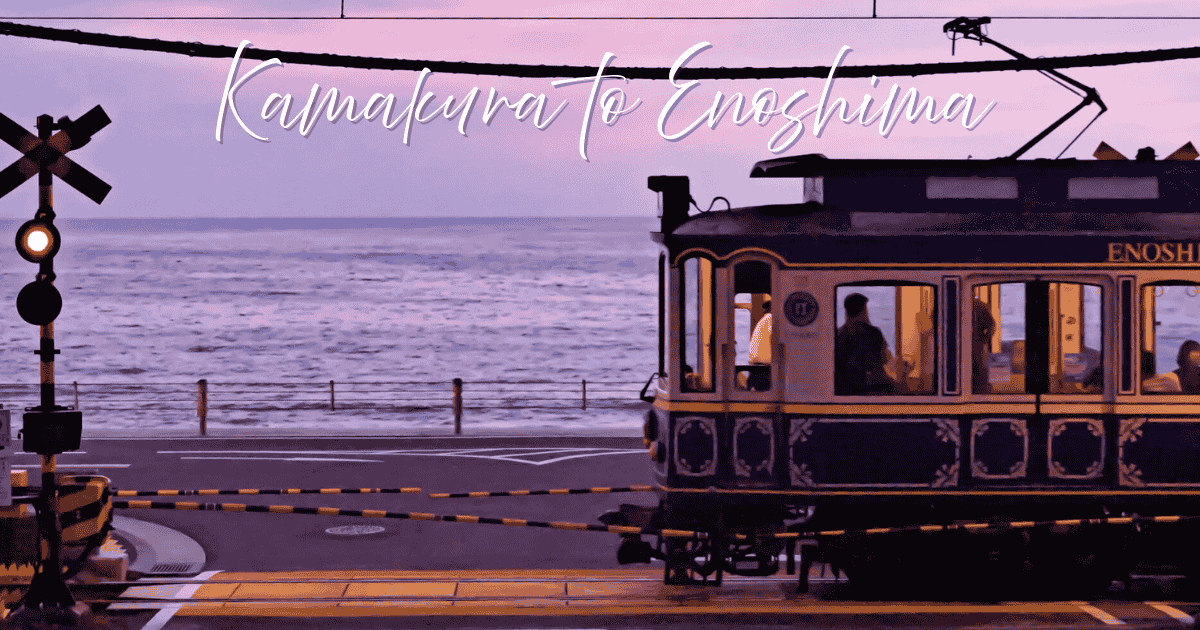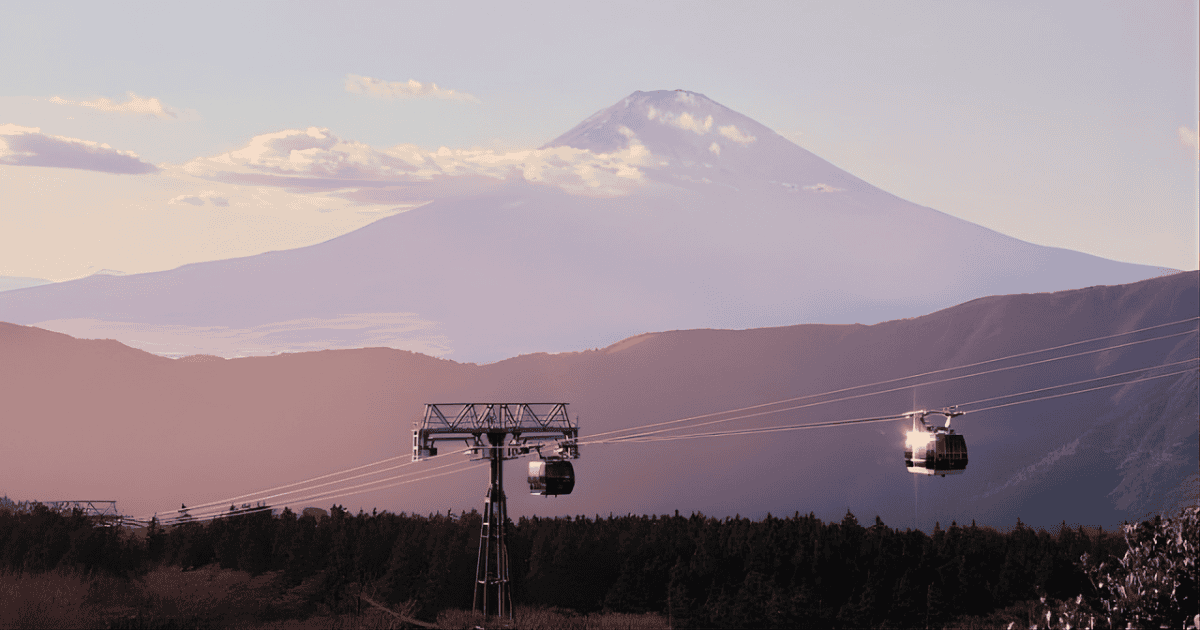
Kamakura is famous for its rich history, ancient temples, and peaceful coastal setting. What many travelers don’t realize is that Kamakura also serves as a stunning gateway for viewing Japan’s iconic peak, Mt. Fuji.
Visitors often ask if this distant view is reliable.Mt. Fuji is frequently visible from Kamakura on many clear days. If you know the optimal conditions and locations, your viewing success will improve significantly. Kamakura’s geography provides distinct viewpoints—from easily accessible coastlines to elevated temple grounds.
This guide provides essential, factual details to help you find and photograph this magnificent sight.
Table of Contents
ToggleQuick Answer: Can You Really See Mt. Fuji from Kamakura?
Yes, but it is not guaranteed. Visibility depends on air clarity.
- Success Rate: ~75% in Winter mornings vs. <10% in Summer.
- The Verdict: For the most breathtaking view, head to the coast (Inamuragasaki). The combination of the ocean, Enoshima Island, and Mt. Fuji is the true “Kamakura experience.”
- Crucial Tip: Forget the Great Buddha (Kotoku-in); the view is entirely blocked by hills. Also, note that some former spots, like Fujimicho Station, are now obstructed by new buildings.
1. Best Timing for High Visibility: When to Visit
Viewing Mt. Fuji from Kamakura is a matter of clear air and timing. The mountain sits approximately 80 kilometers (50 miles) away, so the weather is the primary factor.
Winter (Nov–Feb): The Golden Standard
Clear air is the most important factor for visibility. The optimal viewing window spans from November to May, with the peak clarity occurring between December and February.
During these months, the cold, dry air offers the highest clarity. Furthermore, the mountain retains its iconic snow cap throughout this period, often lasting until May. This makes the view particularly spectacular and rewarding for photographers.
According to data from the Japan Meteorological Agency (JMA), December and January have over 180 hours of sunshine per month. Since there are usually fewer than five rainy or snowy days per month, your chances of a clear sighting are maximized in winter. In contrast, summer clouds and atmospheric haze frequently obscure the view from June to October.
- Source: Japan Meteorological Agency (JMA) Past Weather Data (「過去の気象データ検索」, Available in Japanese only)
Summer Challenges: Why It’s Harder to See
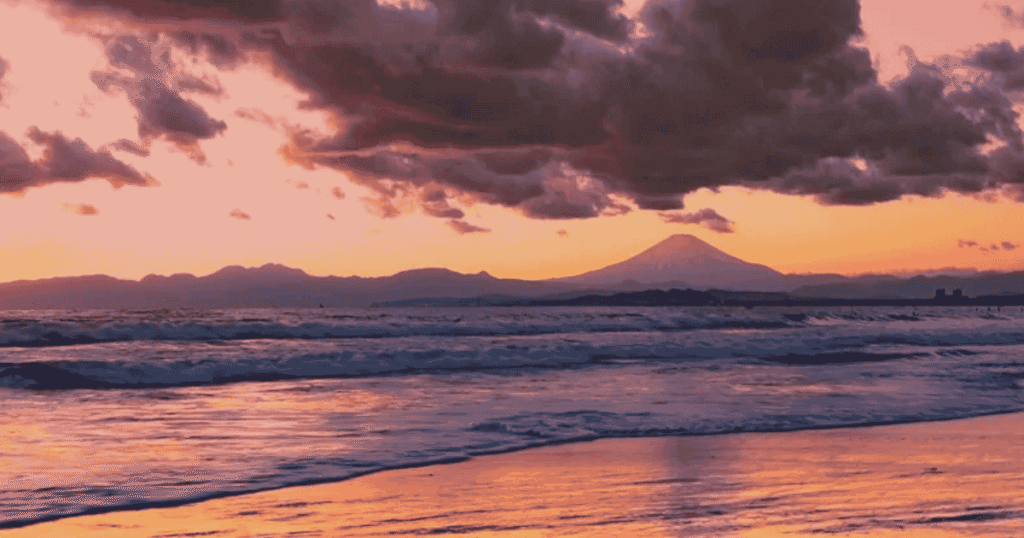
If your visit falls between June and October, do not lose hope. Even though the snow cap is usually gone, you still have a chance, particularly around sunset. When the weather clears, the low angle of the setting sun can silhouette the magnificent, dark shape of Fuji against a dramatically red-dyed sky. This provides a different but equally powerful photo opportunity over the ocean.
Directional Viewing: The West-Southwest View from Kamakura
Mt. Fuji is located to the West-Southwest of Kamakura.
- Morning and Noon: The sun is behind or above you. It illuminates the face of Mt. Fuji, which is the best time for clear, colored photos.
- Evening: You will be looking directly into the sun (backlight). This creates the classic black silhouette of Fuji against the fiery sky.
2. Top 3 Iconic Viewpoints (The "Must-See" Spots)
These locations offer the most rewarding and recognizable views of Mt. Fuji framing the Kamakura coastline and temples.
Check out this video by FlyingSuika to see what Mt. Fuji looks like from Enoshima, Shichirigahama, and Inamuragasaki.
1. Inamuragasaki Park: The Classic "Enoshima + Fuji" Shot
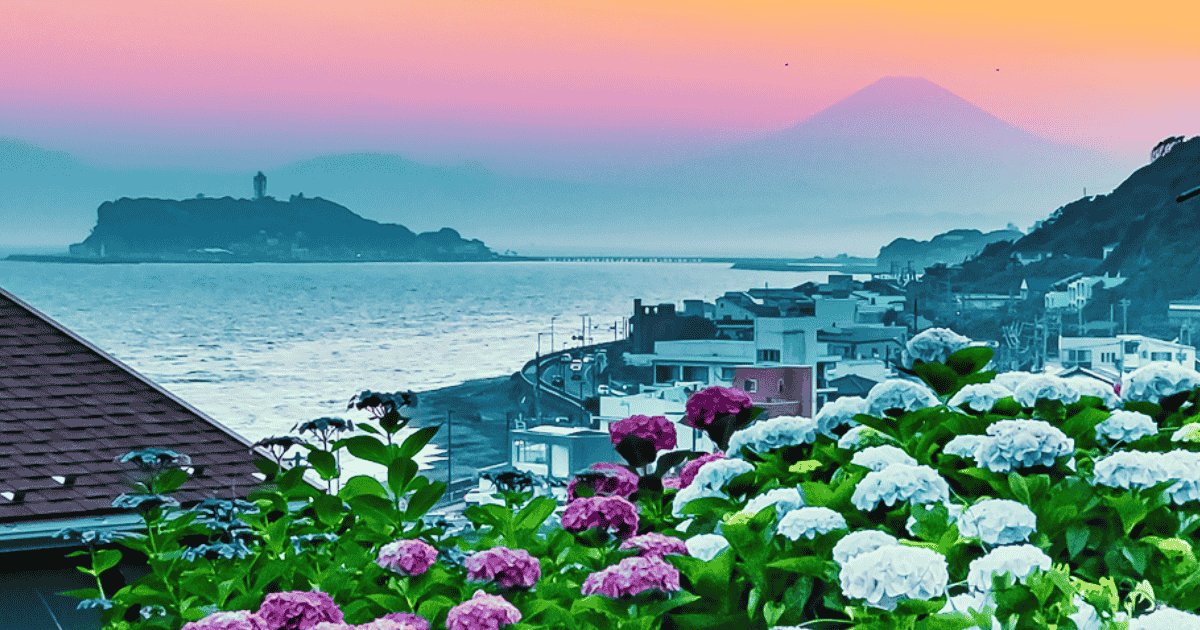
Inamuragasaki is a small, public park located on a protrusion of land along the coast. It is a simple, windswept space that provides an unobstructed vista. From here, you can see Shichirigahama Beach, the sea, Enoshima Island, and Mt. Fuji rising in the background.
- Full Moon Tip: If you visit during a clear, full moon early morning, you will be moved by the sight of the large, white moon sinking toward the faint silhouette of Mt. Fuji.
- Access: A 5-minute walk from Inamuragasaki Station(Enoden Line).
2. Shichirigahama: Best Ocean-View Cafes
Several cafes along the road running parallel to Shichirigahama feature terrace seating. These seaside eateries allow you to spend a relaxing time enjoying the spectacular views while feeling the pleasant sea breeze.
- Pacific DRIVE-IN
- Amalfi DELLA SERA
Official Website: Pacific DRIVE-IN, Available in Japanese only / Amalfi DELLA SERA, Available in Japanese only
3. Kenchoji Temple (Hansobo): The Rewarding Mountain Vista
| Temple (Viewpoint) | Key Feature / Attraction | Opening Hours & Fee | Seasonal Beauty |
|---|---|---|---|
| Kenchoji Temple (建長寺) | Japan's #1 Zen Temple. Magnificent architecture. | 8:30 AM – 4:30 PM. (¥500) |
Autumn Foliage & Spring Blossoms |
Kenchoji is one of the most prestigious Zen temples in Japan. To see Fuji, proceed to the deepest point of the grounds and climb the steps behind the Hansobo Shrine. The Shojoken Observation Deck at the top offers a magnificent panorama of the mountain rising above the local hills—a high-reward view after a significant ascent.
Author’s Personal Note: While Kenchoji offers a high vantage point, the view is often framed by mountain trees. For the most open and emotional vista, I recommend the coastal views at Inamuragasaki over the temple views.
- Official Website: Kenchoji Temple, Available in Japanese only
3. Hidden Gems: Less Crowded Spots with Great Views
If you prefer a quieter experience or a different perspective, these spots are excellent alternatives. Some of these temples offer seasonal beauty alongside their mountain vistas.
| Temple (Viewpoint) | Key Feature / Attraction | Opening Hours & Fee | Seasonal Beauty |
|---|---|---|---|
| Komyoji Temple (光明寺) | Large Sanmon Gate | 6:00 AM – 4:30 PM (Closes earlier in winter). (Free) |
Cherry Blossoms (Spring) |
| Myohouji Temple (妙法寺) | Moss Steps | 9:30 AM – 4:00 PM. (¥300) |
Lush greenery year-round |
| Ankokuronji Temple (安国論寺) | Hillside Viewpoint | 9:00 AM – 4:30 PM. (¥100) |
Hydrangeas & Autumn Foliage |
| Enkakuji Temple (円覚寺) | Japan's #2 Zen Temple. National Treasure. | 8:30 AM – 4:30 PM. (¥500) . |
Autumn Foliage & Benten Chaya tea |
| Kuzuharaoka Shrine (葛原岡神社) | Matchmaking shrine on a hiking path. | Open 24 Hours.
(Free) |
Spring Cherry Blossoms |
Zaimokuza Beach & Komyoji Temple
Zaimokuza is a popular shoreline area. During the clearer months, the mountain is relatively easy to spot.
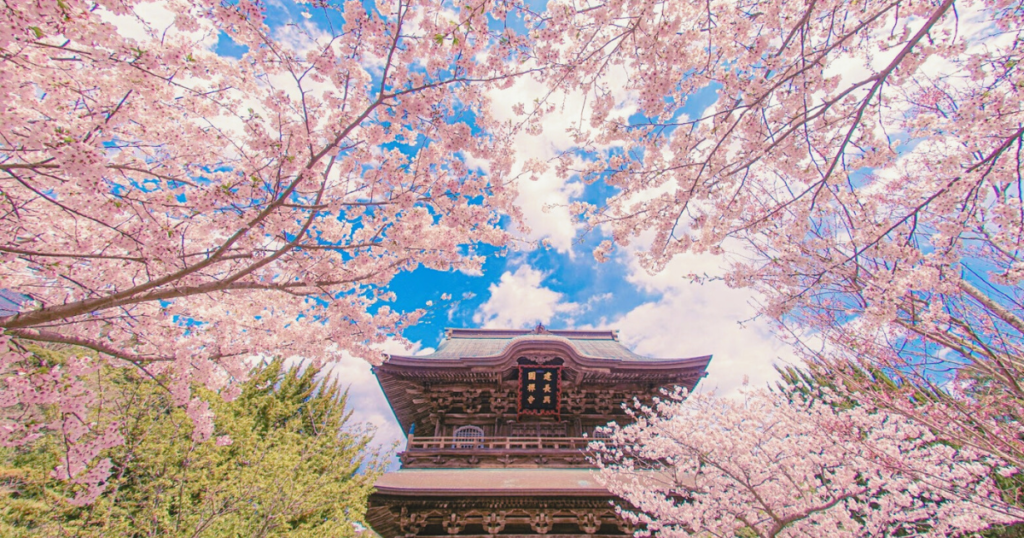
Nearby, Komyoji is known for its large temple buildings. If you ascend the stairs leading up the hill behind the main hall, you reach an observation deck. Unlike the wide-open coastal views, this elevated spot offers a peaceful perspective. You can look down over the temple and cherry blossoms, with the townscape, surrounding hills, and Mt. Fuji appearing in the distance.
- Access: A short bus ride to the Komyoji stop or a 30-minute walk from Kamakura Station.
- Official Website: Komyoji Temple, Available in Japanese only
Myohouji & Ankokuronji: Hillside Vistas
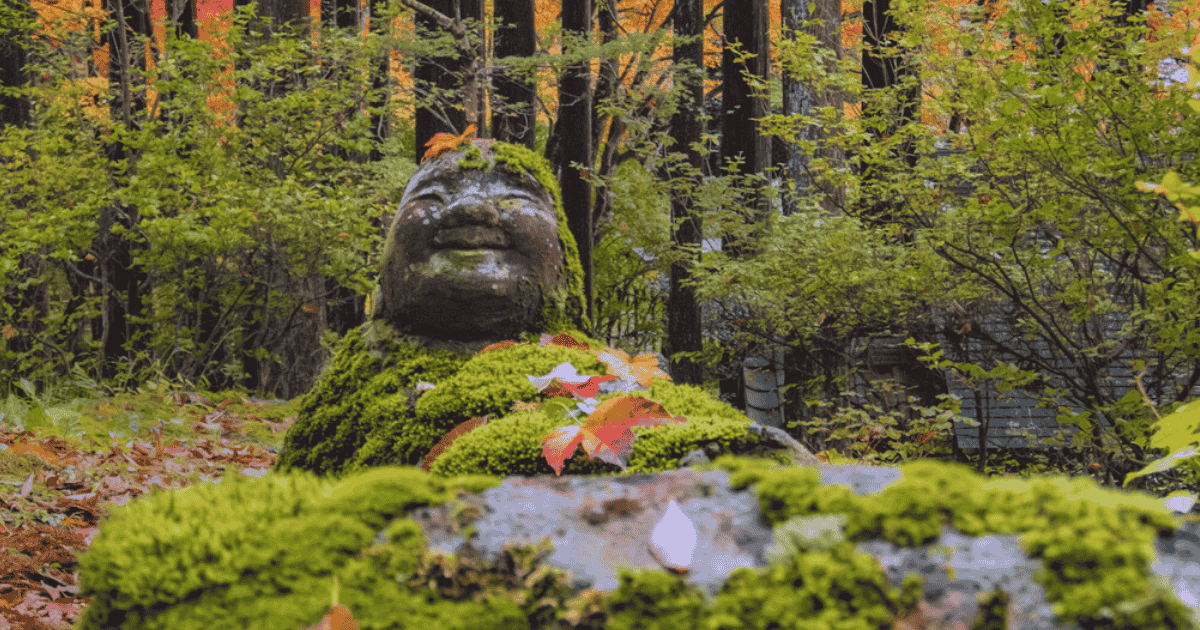
Myohouji is a quiet, atmospheric temple known for its stone steps covered in moss. The elevated temple grounds offer a glimpse of Mt. Fuji over the local townscape. Ankokuronji Temple, located nearby, also provides similar elevated views over the surrounding hills.
- Official Website: Myohouji Temple, Available in Japanese only
Shonan Monorail: Shonan-Enoshima Station Roof Terrace
While Fujimicho Station was once a famous spot, the view is now obstructed by a newly constructed building. However, the Shonan Monorail still offers a spectacular alternative.
The Shonan-Enoshima Station (the terminal station) features a rooftop terrace on the 5th floor. From this elevated platform, you can enjoy a magnificent, unobstructed view of Mt. Fuji alongside the Shonan cityscape. Note: You can check the current visibility via the Shonan Monorail Official Live Camera before you go.
Enkakuji Temple & Kuzuharaoka Shrine
Located directly outside JR Kita-Kamakura Station, Enkakuji’s Benten Chaya tea house offers a place to catch a glimpse of Mt. Fuji while enjoying tea. Kuzuharaoka Shrine, located on a hiking path, offers a clear but distant view as a reward for hikers.
- Access (Enkakuji): Directly outside JR Kita-Kamakura Station.
- Official Website: Engakuji Temple
4. Pro Tips for Photographers (Lenses & Best Hours)
Modern smartphones are capable of capturing the scenery, but a few tips will improve your photos.
Photography: When to Use Zoom vs. Smartphone
Due to the distance, Mt. Fuji often appears smaller in photos than it feels in person. While a smartphone is great for commemorative shots, a camera with a good optical zoom (telephoto lens) is necessary if you want the mountain to look dominant.
Optimal Time: Sunset and All-Day Winter Viewing
While sunrise and sunset are ideal, the dry air in winter means you can enjoy clear views all day. At sunset, the mountain is backlit, creating a striking black silhouette.
5. Beyond Kamakura: The Unmissable Enoshima Panorama
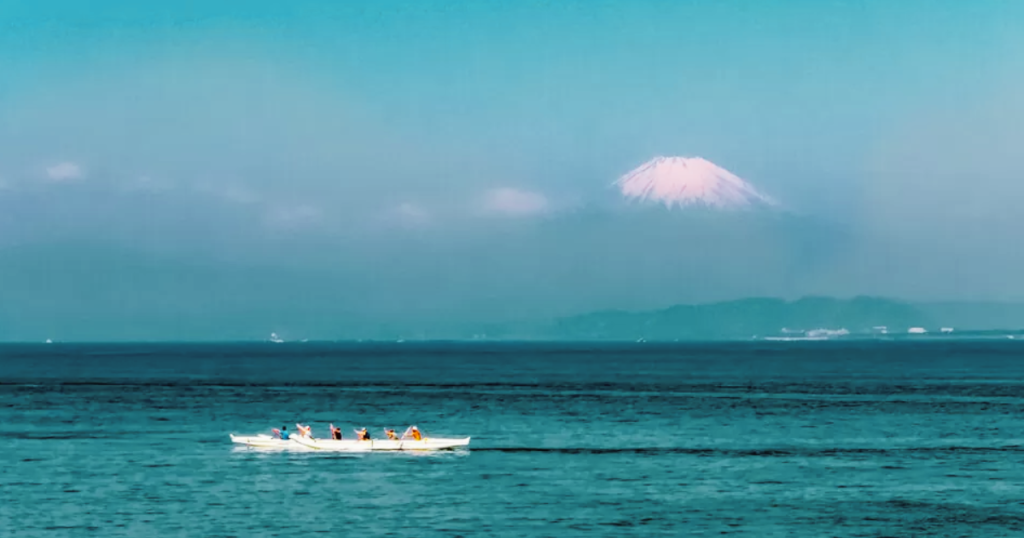
For the highest probability of a clear, spectacular view, travel slightly out of Kamakura to Enoshima Island.
BONUS View: The Ultimate 360° Panorama from Sea Candle
The Enoshima Sea Candle observation deck offers a completely unobstructed 360-degree panorama. This is arguably the most reliable and expansive view of Mt. Fuji across the entire Shonan Bay.
Access: Take the Enoden Line from Kamakura Station to Enoshima Station (approx. 25 minutes). The island is a short walk across the Benten Bridge.
6. What to Do If Mt. Fuji is Not Visible? (Backup Plan)
If Mt. Fuji is hidden by clouds, Kamakura still offers world-class experiences:
- Explore the Bamboo Forest: Visit Hokokuji Temple for a peaceful walk.
- Hasedera Temple: Enjoy panoramic bay views and seasonal flowers.
- Komachi-dori: Indulge in local street food and shopping near Kamakura Station.
7. Conclusion: Planning Your Mt. Fuji Viewing Day
Kamakura provides accessible opportunities to view Mt. Fuji when atmospheric conditions permit. The sight, whether framed by the sea, an island, or a temple structure, is an objective feature of the local landscape that many visitors seek.
For maximum viewing success, focus on these three points:
- Season: Stick to the cooler months (Nov–Mar) to take advantage of the crisp, dry air that offers the best visibility.
- Time of Day: Mornings and early afternoons provide frontal illumination; sunset creates a silhouette effect.
- Location Priority: Inamuragasaki Park or the Shichirigahama area cafes offer the most direct and widely recognized coastal views.
We hope this guide assists you in planning an efficient visit to locate Mt. Fuji.
For the most reliable panorama, consider Enoshima Island.
The Enoshima Sea Candle (Section 6) provides the most expansive, unobstructed view across Shonan Bay. For detailed access information, please refer to our related guide: The Ultimate Guide to the Mt. Fuji View from Enoshima Island.
8. FAQ: Your Kamakura & Mt. Fuji Questions
How far is Kamakura from Mount Fuji?
It is approximately 80 kilometers (about 50 miles) away.
Where to see Mt Fuji in Kamakura?
The most iconic spots are Inamuragasaki Park, the seaside cafes at Shichirigahama, and the Shojoken Observation Deck at Kenchoji Temple.
Can you see Mt Fuji from the Great Buddha (Kotoku-in)?
No. This is a common misconception. The statue is in a valley, and hills block the view.
Can you see Mt Fuji from Enoshima?
Yes! Enoshima provides one of the most reliable and expansive views of the mountain in the region.
Can you see Mt Fuji from Hakone?
Yes, you can. Since Hakone is closer to the mountain than Kamakura, the view is much larger.
Is Mount Fuji visible from all of Japan?
No. Because Japan is very mountainous and the peak is often covered in clouds, it is only visible from specific regions on clear days.
Can you do Kamakura and Mt. Fuji in one day?
It is difficult to visit the base of the mountain and Kamakura in one day. However, viewing Mt. Fuji from Kamakura is a perfect addition to a one-day trip.
Is there a Kamakura Mt. Fuji live cam?
Yes. The Shonan Monorail Live Camera is an excellent tool to check current conditions.
How do I get to Kamakura from Mt. Fuji (or Tokyo) by train?
From Tokyo, you can take the JR East ( Tokaido Line, Yokosuka/Sobu Rapid Line, Shonan-Shinjuku Line), or the Odakyu Line to the Kamakura or Fujisawa area. From there, switch to the Enoden Line to reach the best coastal viewpoints.